
Are you confused about the perfect croissant size for your bakery, café, or even your breakfast table? Finding the right size can make all the difference in taste, presentation, and customer satisfaction.
Whether you want a flaky mini treat or a large, buttery delight, understanding croissant sizes helps you make smarter choices. This croissant size chart will guide you through everything you need to know, so you can pick the ideal croissant every time.
Keep reading to discover the sizes that suit your needs and impress everyone who takes a bite.
Croissant Sizes Explained
Understanding croissant sizes helps choose the right pastry for any occasion. Croissants come in different sizes, each serving a unique purpose. From small snacks to hearty breakfasts, size matters. Here is a clear breakdown of popular croissant sizes.
? Croissant Size Chart
| Croissant Type | Typical Weight | Length (Baked) | Width (Baked) | Best Use |
|---|---|---|---|---|
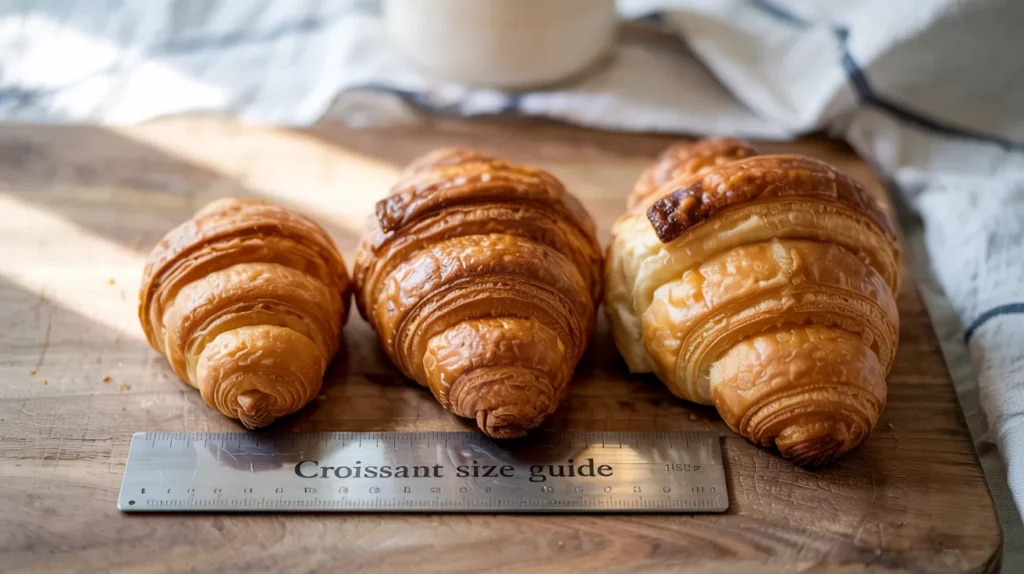
| Mini Croissant | 20–30 g | 3–4 in (7–10 cm) | 1.5–2 in (4–5 cm) | Snacks, catering trays, kids’ portions |
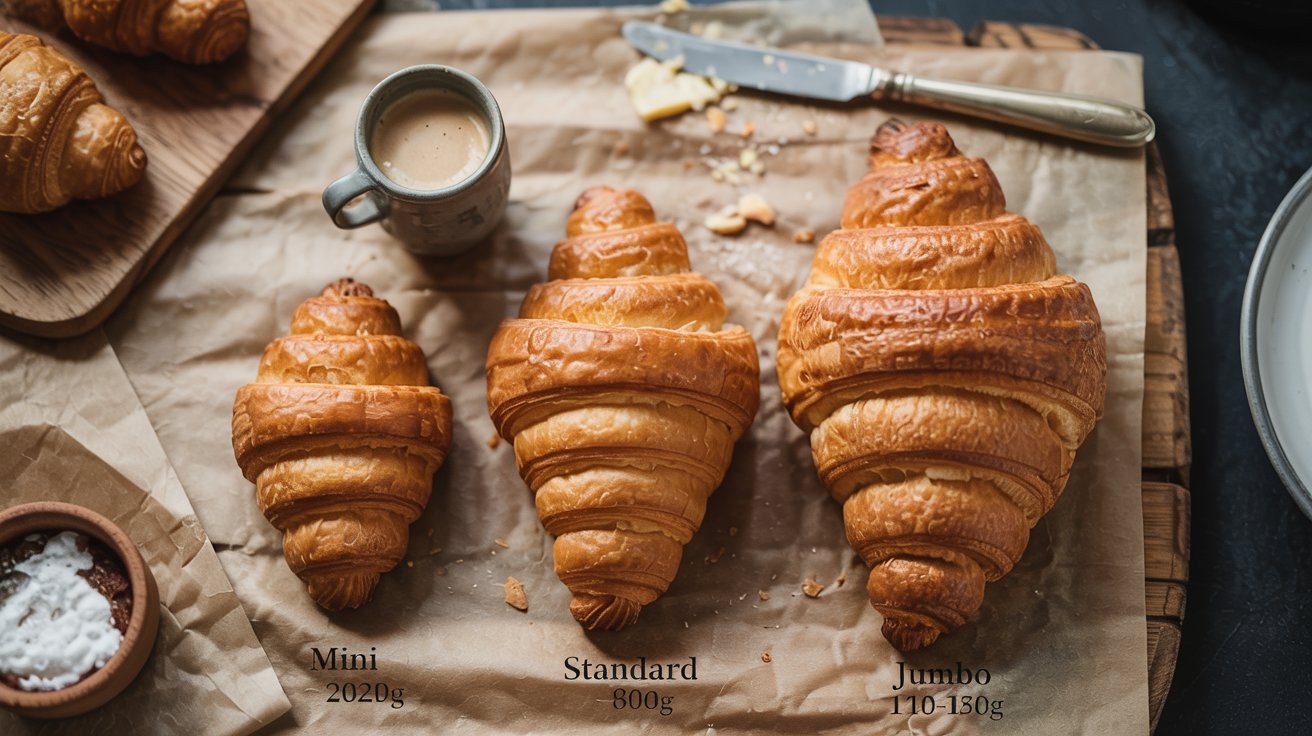
| Standard Croissant | 60–80 g | 5–6 in (12–15 cm) | 2.5–3 in (6–7.5 cm) | Breakfast, cafés, bakery staple |
| Jumbo Croissant | 120–150 g | 7–8 in (18–20 cm) | 3.5–4 in (9–10 cm) | Sandwiches, brunch, premium menu items |
| Butter Croissant (classic) | 60–70 g | 5–6 in (12–15 cm) | 2.5–3 in | Everyday pastry, general use |
| Stuffed Croissant (chocolate/almond/ham) | 90–120 g | 5–7 in (12–18 cm) | 3–4 in | Dessert croissants, deli items |
| Mini Filled Croissants | 25–35 g | 3–4 in | 2 in | Dessert platters, office events |
Mini Croissants
Mini croissants are bite-sized and perfect for snacks. They usually weigh about 20 to 30 grams. Ideal for parties or quick bites, they pair well with jams or cheese. Their small size makes them easy to share and serve.
Standard Croissants
Standard croissants are the classic size found in most bakeries. They weigh between 60 to 80 grams. Perfect for breakfast or a light meal, they offer a balanced buttery taste. Their size suits most appetites without feeling too heavy.
Jumbo Croissants
Jumbo croissants are large and filling, weighing around 120 to 150 grams. Great for a full meal or sharing, they provide a rich, buttery experience. Their size makes them ideal for stuffing with fillings like ham or chocolate.
Measuring Croissant Dimensions
Measuring croissant dimensions helps bakers and buyers understand their size and quality. Accurate measurements ensure consistency and meet customer expectations. Croissants come in various sizes, so knowing their dimensions is important.
Length And Width
Length and width are the basic measurements of a croissant. The length measures from one tip to the other. Width is the widest part across the croissant’s middle. These dimensions show the croissant’s overall size and shape. Measuring length and width helps compare different croissants easily.
Weight And Volume
Weight indicates how heavy a croissant is, usually in grams or ounces. Volume shows how much space the croissant takes up. Weight helps check dough consistency and baking results. Volume is useful for packaging and portion control. Both weight and volume give a full picture of the croissant’s size.
Portion Control Tips
Controlling croissant portions helps keep meals balanced and satisfying. Eating the right amount avoids waste and overeating. Understanding portion sizes makes it easier to enjoy croissants without guilt.
Use simple tips to serve the right portion for each meal. Adjust your croissant size and quantity based on hunger and meal type.
Serving Size Recommendations
A standard croissant usually weighs about 60-70 grams. One small croissant can be one serving for a snack. For larger croissants, half may be enough for one serving. Portion size depends on your daily calorie needs and meal plan.
Adjusting Portions For Different Meals
For breakfast, one medium croissant with fruit or eggs works well. Lunch might include a smaller croissant with a salad or soup. For snacks, choose mini croissants or half a regular one. This keeps your meals balanced and prevents overeating.
Baking Tips For Consistent Size
Baking croissants with a consistent size is key for a perfect presentation and even baking. Small changes in dough or shaping can cause big size differences. Follow these tips to keep each croissant uniform and tasty.

Dough Preparation
Use the same amount of dough for each croissant. Measure it carefully with a kitchen scale. Keep the dough cold but soft enough to roll out. Rest the dough between folds to relax gluten. This helps in even stretching and prevents shrinking during baking.
Shaping Techniques
Roll the dough into a uniform thickness. Cut triangles of the same size for each croissant. Stretch the base of the triangle gently before rolling. Roll tightly but not too tight to keep layers. Place croissants evenly spaced on the tray to allow expansion.
Croissant Size And Nutritional Impact
The size of a croissant affects more than just its look. It changes how many calories and nutrients it contains. Smaller croissants have fewer calories but may leave you wanting more. Larger ones satisfy hunger but add more calories to your diet.
Understanding the size and nutrition helps you choose wisely. It guides you in enjoying taste without overdoing calories. Let’s explore the calorie differences and how to balance flavor with health.
Calorie Differences By Size
Small croissants usually have around 150 to 200 calories. Medium ones range from 250 to 300 calories. Large croissants can have 400 calories or more. Butter and fillings can also increase these numbers.
Calories rise as the croissant gets bigger. This affects your daily calorie intake. Eating a large croissant adds more energy than a small one. Knowing this helps manage your diet better.
Balancing Taste And Health
Choosing the right croissant size depends on your needs. A small croissant can be a light snack. Medium sizes work well for breakfast. Large croissants suit times when you need more energy.
Pair croissants with healthy foods like fruit or yogurt. This adds nutrients and balances the meal. Watch portion sizes to avoid eating too many calories. Enjoying croissants without guilt is possible with smart choices.
Choosing The Right Size For Your Needs
Choosing the right croissant size matters for taste and satisfaction. Different sizes fit different needs and occasions. Picking the correct size can make your meal or event more enjoyable. Consider who will eat the croissants and how much they might want.
Size affects portion control and presentation. Smaller croissants suit light snacks or kids. Larger ones work well for big appetites or filling meals. Understanding your needs helps avoid waste or hunger.
Personal Preferences
Some people like small, delicate croissants. Others prefer large and filling ones. Think about your appetite and taste. Small croissants are perfect for quick bites. Bigger croissants satisfy hunger and taste buds. Choose a size that matches your daily eating habits.
Event And Occasion Guidelines
Small croissants suit casual gatherings or tea time. They are easy to handle and serve. Large croissants work well for brunch or parties. They can be a main part of the meal. Match the croissant size to the event style and guest count. This helps keep everyone happy and well fed.
Frequently Asked Questions
What Are The Common Croissant Sizes Available?
Croissants typically come in mini, regular, and large sizes. Mini croissants weigh around 30 grams, regular about 60-80 grams, and large ones can exceed 100 grams. Size varies by bakery and purpose, such as snacks or meals.
How To Measure A Croissant’s Size Accurately?
Measure croissant size by its weight and dimensions. Use a kitchen scale for weight and a ruler for length and width. This helps ensure consistency in baking and portion control.
Why Is Croissant Size Important For Baking?
Croissant size affects baking time, texture, and flakiness. Larger croissants need longer baking to cook through, while smaller ones bake faster. Proper sizing ensures even cooking and desired flakiness.
Does Croissant Size Affect Nutritional Value?
Yes, croissant size directly impacts calorie and nutrient content. Larger croissants contain more calories, fat, and carbs. Knowing size helps manage dietary intake and portion control.
Conclusion
Croissant sizes vary to fit different tastes and needs. Knowing the size helps you choose the right croissant for any meal. Small croissants work well for snacks, while larger ones fill you up for breakfast. Use the size chart as a simple guide to find the perfect croissant.
Enjoy your pastry with confidence and ease.
