

If you’re a coffee lover, understanding different coffee cup sizes can improve your brewing and ordering experience. Whether you’re enjoying a quick espresso or a creamy latte, knowing the right coffee size helps you get the perfect amount every time.
Coffee shops use several standard cup sizes, and each size holds a different volume of coffee. Learning these sizes also helps you measure the right amount of coffee grounds and water when brewing at home.
This guide explains common coffee cup sizes, measurements, brewing ratios, and practical tips to help you make better coffee.
Coffee Size Chart
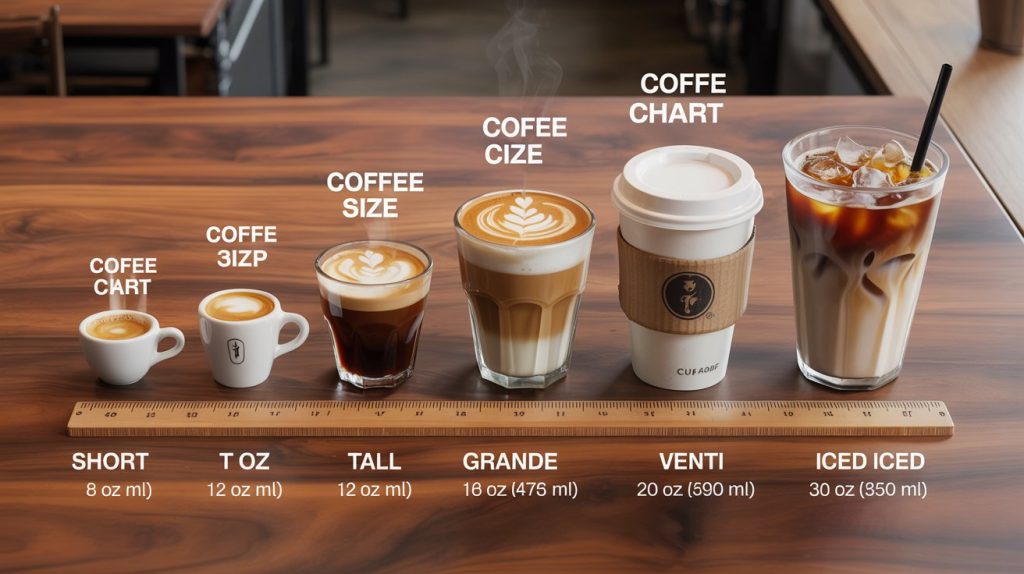
A coffee size chart is a simple guide that shows the different cup sizes used for coffee drinks. It helps coffee drinkers understand how much coffee they are getting when ordering or brewing a drink.
Many cafés use similar size names such as Short, Tall, Grande, and Venti. However, the actual amount of coffee can vary slightly depending on the café.
Common Coffee Cup Sizes
| Coffee Size | Ounces (oz) | Milliliters (ml) | Typical Use |
|---|---|---|---|
| Short | 8 oz | 240 ml | Small coffee or milk-based drinks |
| Tall | 12 oz | 355 ml | Standard single serving |
| Grande | 16 oz | 473 ml | Popular size for lattes and iced coffee |
| Venti | 20 oz | 590 ml | Large coffee for longer drinking |
| Trenta | 30 oz | 887 ml | Extra-large iced beverages |
Understanding these sizes makes it easier to choose the right drink and control your caffeine intake.
How a Coffee Size Chart Works
A coffee size chart helps determine the correct ratio of coffee grounds to water. This ensures consistent flavor and strength when brewing coffee.
Most brewing methods follow a general rule: use 1 to 2 tablespoons of coffee for every 6 ounces of water.
Coffee Brewing Ratio by Cup Size
| Cup Size | Water Amount | Coffee Grounds (tbsp) |
|---|---|---|
| Small | 8 oz | 1.5 tbsp |
| Medium | 12 oz | 2 tbsp |
| Large | 16 oz | 2.5 tbsp |
| Extra Large | 20 oz | 3 tbsp |
You can adjust the amount depending on how strong you prefer your coffee.
Recommended Coffee Amount by Drink Type
Different coffee drinks require different amounts of coffee grounds.
| Drink Type | Cup Size | Coffee Amount |
|---|---|---|
| Espresso Shot | 1–2 oz | 7–9 g |
| Regular Coffee Cup | 8–12 oz | 15–20 g |
| Travel Mug | 16–20 oz | 25–30 g |
Using the correct amount helps produce balanced flavor and better extraction.
Step-by-Step Guide to Using a Coffee Size Chart
Learn Common Coffee Sizes
Start by understanding the most common coffee sizes used in cafés and homes: Short (8 oz), Tall (12 oz), Grande (16 oz), Venti (20 oz), and Trenta (30 oz).
Follow the Coffee-to-Water Ratio
A good guideline is 1–2 tablespoons of coffee per 6 ounces of water. For example, a 12 oz cup usually needs about 2 tablespoons of ground coffee.
Measure Accurately
Using a kitchen scale improves consistency. One tablespoon of ground coffee weighs roughly 5–7 grams.
Adjust for Brewing Method
Different brewing methods require different ratios:
| Brewing Method | Coffee Ratio |
|---|---|
| French Press | 1:15 |
| Pour Over | 1:16 |
| Drip Coffee | 1:17 |
| Espresso | 1:2 |
Track Your Preferences
Write down the ratios and sizes you like most so you can recreate your perfect cup every time.
Common Mistakes to Avoid
Using the Wrong Grind Size
Grind size should match the brewing method. Espresso requires fine grind, while French press needs coarse grind.
Incorrect Coffee-to-Water Ratio
Too much coffee makes the drink bitter, while too little makes it weak.
Not Measuring Properly
Always measure coffee grounds using a scoop or kitchen scale to keep flavor consistent.
Brewing With Incorrect Water Temperature
The ideal water temperature for brewing coffee is 195°F to 205°F (90°C to 96°C).
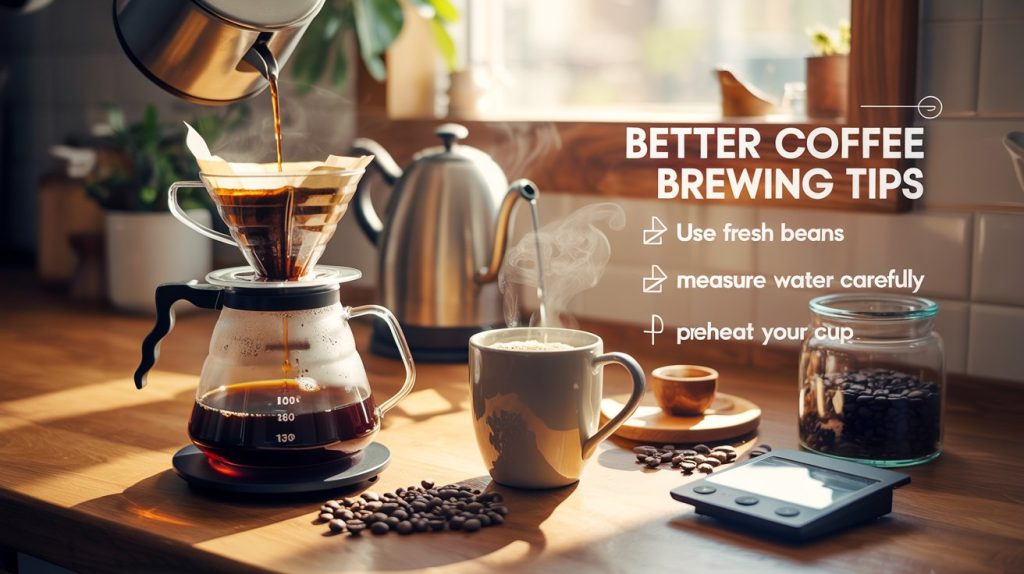
Tips for Better Coffee Brewing
Know Your Preferred Coffee Size
Choose a cup size that matches your caffeine needs and drinking habits.
Use Fresh Coffee Beans
Freshly ground beans produce better aroma and flavor.
Measure Water Carefully
Using filtered water improves taste and prevents unwanted bitterness.
Preheat Your Cup
Warming your mug helps keep coffee hot for longer.
Real Coffee Size Examples
| Coffee Size | Fluid Ounces | Milliliters |
|---|---|---|
| Small | 8 oz | 240 ml |
| Medium | 12 oz | 360 ml |
| Large | 16 oz | 480 ml |
| Extra Large | 20 oz | 590 ml |
Small cups are ideal for quick drinks, while larger cups are better for long sipping sessions or iced coffee.
Summary
A coffee size chart helps you understand cup sizes, brewing ratios, and serving amounts. By learning these measurements, you can brew coffee more accurately and order drinks with confidence.
Key points to remember:
• Learn common coffee cup sizes
• Use proper coffee-to-water ratios
• Measure coffee grounds accurately
• Adjust strength based on personal taste
• Choose the right grind size for each brewing method
With these tips, you can enjoy consistently great coffee whether you brew at home or order from your favorite café.
Frequently Asked Questions
Can I measure coffee in advance?
Yes. You can pre-measure coffee grounds and store them in airtight containers to maintain freshness.
What can I use instead of a coffee scoop?
A standard tablespoon works well. One coffee scoop is roughly equal to 2 tablespoons of ground coffee.
How do I know when coffee is brewed properly?
Coffee is ready when it develops a rich aroma and deep color. Most brewing methods take 4–5 minutes.
Can brewed coffee be frozen?
Yes. Brewed coffee can be frozen in an airtight container and stored for up to one month.
What if I don’t have a coffee grinder?
You can use a blender or food processor to grind coffee beans in short pulses.
