
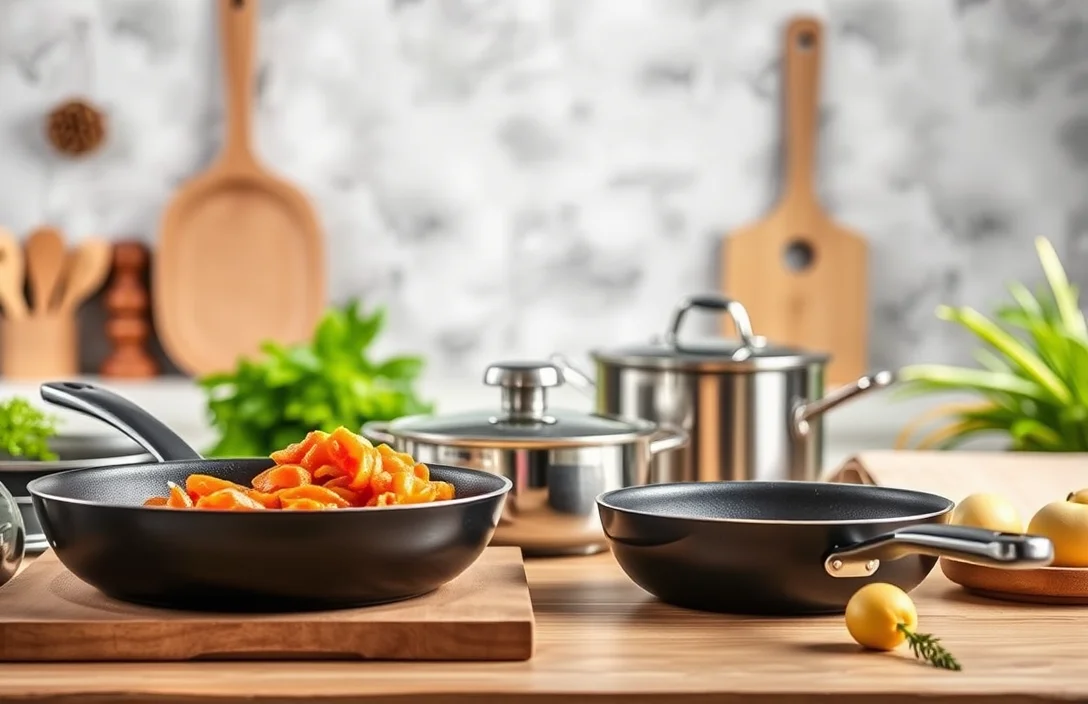
Choosing the right cookware can save you time and money in the kitchen, whether you’re investing in a new set or replacing a worn-out piece. Different materials affect cooking performance, energy efficiency, and even the lifespan of your cookware. Understanding these factors can prevent costly mistakes and enhance your culinary experience.
To guide you, here are key facts: Stainless steel cookware averages $150 for a set, lasts about 10-15 years, and is easy to maintain. Non-stick options cost around $100 but may only last 5-7 years with proper care.
| Material | Average Cost | Lifespan | Difficulty | When to Call a Pro |
|---|---|---|---|---|
| Stainless Steel | $150 | 10-15 years | Easy | Never |
| Cast Iron | $50 | Lifetime | Moderate | When cracked |
| Non-Stick | $100 | 5-7 years | Easy | When peeling |
Importance of Cookware Material
The choice of cookware material significantly influences both cooking performance and health. Understanding the various materials available can help you select the right cookware to meet your culinary needs while ensuring safety in food preparation.
Impact on Cooking
Different materials have distinct properties affecting heat distribution, cooking times, and food flavors. Here are some key considerations:
- Stainless Steel: Excellent for browning and braising; non-reactive, so it won’t alter food flavors.
- Cast Iron: Retains heat well, ideal for searing and slow cooking; requires seasoning to maintain non-stick properties.
- Non-Stick: Great for low-fat cooking and easy cleanup; be cautious of high temperatures that can damage the coating.
- Copper: Provides superior heat conductivity; usually lined with stainless steel to prevent reactions with food.
Health Considerations
Choosing the right cookware can also have health implications:
- Non-Stick Coatings: Some older coatings may release harmful chemicals at high temperatures. Look for PFOA-free options.
- Cast Iron: Can leach iron into food, which may benefit those with iron deficiencies but could pose risks for others.
- Aluminum: While lightweight, uncoated aluminum can react with acidic foods, potentially impacting flavor and health.
Pro tip: Always choose cookware that fits your cooking style and dietary needs to ensure both safety and performance.
Types of Cookware Materials
Choosing the right cookware material is crucial for achieving the best results in your kitchen. Each type offers unique advantages and disadvantages that can influence your cooking experience, from heat distribution to maintenance needs. Here’s a breakdown of common cookware materials to help you make an informed decision.
Stainless Steel
Stainless steel is renowned for its durability and resistance to rust and corrosion. It heats evenly and is non-reactive, making it suitable for a variety of cooking tasks.
- Benefits: Durable, dishwasher safe, non-reactive.
- Drawbacks: Poor heat conductivity unless bonded with aluminum or copper.
Cast Iron
Cast iron cookware is well-known for its excellent heat retention and even cooking. It can also go from stovetop to oven seamlessly.
- Benefits: Retains heat well, naturally non-stick when seasoned, long lifespan (over 50 years with care).
- Drawbacks: Heavy, requires regular seasoning to maintain non-stick properties.
Non-Stick
Non-stick cookware simplifies cooking and cleanup, making it ideal for delicate foods like eggs. However, it has a shorter lifespan than other materials.
- Benefits: Easy to clean, requires less oil, great for low-fat cooking.
- Drawbacks: Coating can wear off over time; avoid high heat.
Copper
Copper cookware offers superior heat conductivity, allowing for precise temperature control. It’s often lined with stainless steel to prevent reactions with food.
- Benefits: Excellent heat conduction, aesthetically pleasing.
- Drawbacks: Requires regular polishing; can be expensive.
Aluminum
Aluminum is lightweight and has excellent heat conduction. It is often anodized to create a non-reactive surface.
- Benefits: Lightweight, affordable, good heat distribution.
- Drawbacks: Can warp at high temperatures; not very durable unless anodized.
| Material | Benefits | Drawbacks | Typical Lifespan |
|---|---|---|---|
| Stainless Steel | Durable, non-reactive | Poor conductivity | 10-20 years |
| Cast Iron | Excellent heat retention | Heavy, needs seasoning | 50+ years |
| Non-Stick | Easy to clean | Short lifespan | 3-5 years |
| Copper | Superior conductivity | Expensive, requires care | 10-20 years |
| Aluminum | Lightweight, affordable |
Pros and Cons of Each Material
Understanding the advantages and disadvantages of different cookware materials helps you make informed decisions based on your cooking style and needs. Below are the pros and cons of three popular cookware materials: stainless steel, cast iron, and non-stick.
Stainless Steel Advantages
- Durability: Stainless steel is resistant to rust, corrosion, and staining, making it a long-lasting option. With proper care, it can last 20-30 years.
- Versatility: It is suitable for various cooking methods, including sautéing, boiling, and browning. You can use it on the stove, in the oven, or even under the broiler.
- Non-reactive: Unlike some materials, stainless steel does not react with acidic or alkaline foods, preserving the flavor and quality of your dishes.
Cast Iron Drawbacks
- Weight: Cast iron cookware is heavy, which can make handling and maneuvering difficult, especially for larger pieces.
- Maintenance: It requires regular seasoning to maintain its non-stick properties and prevent rusting, adding to the upkeep effort.
- Heat Retention: While excellent for heat retention, it can take longer to heat up and may lead to uneven cooking if not preheated properly.
Non-Stick Pros and Cons
- Easy Cleanup: Non-stick surfaces allow for effortless food release and quick cleanup, making them ideal for busy cooks.
- Lower Fat Cooking: You can cook with less oil or butter, which is healthier and reduces calorie intake.
- Limited Lifespan: Non-stick coatings can scratch and wear off over time, typically lasting 3-5 years with regular use.
- Temperature Sensitivity: High heat can damage non-stick coatings, limiting the types of cooking methods you can use.
Key Features to Consider
Choosing the right cookware material involves evaluating several key features that can significantly affect your cooking experience. Understanding heat conductivity, durability, weight, and handle design can help you make a more informed decision tailored to your cooking style.
Heat Conductivity
Heat conductivity is crucial for even cooking and achieving desired results. Different materials conduct heat differently:
- Aluminum: Excellent conductor but can react with acidic foods.
- Copper: Superior heat conductivity, allowing for precise temperature control.
- Stainless Steel: Moderate conductivity; often combined with aluminum or copper for better performance.
Durability
Durability ensures your cookware withstands the test of time. Consider the following:
- Cast Iron: Extremely durable and can last a lifetime with proper care.
- Non-Stick: Prone to scratching and may have a shorter lifespan (5-10 years).
- Stainless Steel: Durable and resistant to rust and corrosion.
Weight and Handle Design
The weight of cookware influences its handling and cooking performance:
- Heavy cookware: Often provides better heat retention and stability.
- Lightweight options: Easier to maneuver but may not retain heat as effectively.
Handle design is also essential for safety and comfort:
- Ergonomic grips help prevent slips.
- Heat-resistant handles ensure safe handling.
| Feature | Budget | Mid-Range | Premium |
|---|---|---|---|
| Heat Conductivity | Aluminum | Stainless Steel | Copper |
| Durability | Non-Stick | Stainless Steel | Cast Iron |
| Weight | Lightweight | Medium | Heavy |
Buying Guide Steps
Choosing the right cookware material involves understanding your cooking style, setting a budget, and researching brands. This process ensures you select cookware that not only meets your culinary needs but also fits your financial plan. Here’s a step-by-step guide to help you make an informed decision.
- Assess Cooking Style: Consider how often you cook and the types of meals you prepare. If you frequently sauté or stir-fry, materials like stainless steel or non-stick may be ideal. For slow-cooking or baking, cast iron or enameled cookware could be more suitable due to their heat retention properties.
- Set Budget: Determine how much you are willing to spend on cookware. Basic non-stick options can start around $20, while high-quality stainless steel sets range from $100 to $500. Remember, investing in durable materials can save you money in the long run as they typically last longer.
- Research Brands: Look for reputable brands that offer a warranty on their products, which often reflects their confidence in quality. Read customer reviews to gauge performance and satisfaction levels. Brands like Cuisinart and All-Clad often receive high marks for durability and performance, while budget options like T-fal can provide good value for casual cooks.
Maintenance Best Practices
Maintaining your cookware not only extends its lifespan but also ensures optimal cooking performance. Different materials require specific care techniques to keep them in top shape. Below are the best practices for cleaning, storing, and seasoning various cookware materials.
| Cookware Material | Cleaning Techniques | Storage Tips | Seasoning (if applicable) |
|---|---|---|---|
| Stainless Steel | Use mild soap and a soft cloth. Avoid abrasive pads. | Stack with cloth between pieces to avoid scratching. | N/A |
| Cast Iron | Wash with hot water. Avoid soap; use a brush for stuck food. | Store in a dry place, ideally with a paper towel inside to absorb moisture. | Season with oil after each use to maintain non-stick properties. |
| Non-Stick | Wipe with a soft sponge and mild detergent. Avoid metal utensils. | Store carefully to avoid scratches; use cloth or paper towels for separation. | N/A |
| Copper | Clean with a copper cleaner or a mixture of vinegar and salt. | Hang or store in a dedicated space to prevent tarnishing. | N/A |
Maintenance Checklist
| Task | Frequency | Time |
|---|---|---|
| Clean after each use | Every Use | 5-10 minutes |
| Season cast iron | Every few uses | 10 minutes |
| Inspect for damage | Monthly | 5 minutes |
Pro tip: Regular maintenance not only enhances performance but can save you up to 20% in replacement costs over time.
Troubleshooting Common Issues
Cookware can present various challenges during cooking, leading to frustrating experiences in the kitchen. Understanding how to troubleshoot these common issues can enhance your cooking efficiency and prolong the lifespan of your cookware.
1. Sticking Food
- Heat Adjustment: Ensure that your pan is adequately preheated before adding oil or food. A well-heated surface minimizes sticking. For stainless steel, heat the pan on medium-high for a few minutes until it feels hot to the touch.
- Oil Application: Use enough oil or fat for cooking, particularly with stainless steel and cast iron. Preheat the oil for a few seconds before adding food to create a non-stick barrier.
- Proper Cookware: Consider using non-stick cookware for delicate items like eggs or fish. If you frequently encounter sticking, it may be time to invest in high-quality non-stick or ceramic cookware.
2. Rust on Cast Iron
- Immediate Cleaning: If you spot rust, scrub the affected area with a steel wool pad and soapy water. Rinse thoroughly and dry immediately to prevent further rusting.
- Re-seasoning: Apply a thin layer of vegetable oil to the entire surface of the pan after cleaning. Heat it in the oven at 350°F for an hour to restore its protective layer.
- Storage Tips: Store your cast iron cookware in a dry place. Placing a paper towel inside the pan can help absorb moisture and prevent rust.
3. Scratched Non-Stick
- Avoid Metal Utensils: Always use wooden or silicone utensils to prevent scratching. Metal utensils can damage the non-stick coating, leading to faster deterioration.
- Inspect Regularly: Check for scratches before each use. If the coating is significantly damaged, consider replacing the cookware, as it may release harmful substances.
- Upgrade Options: If you frequently face issues with scratches, consider investing in higher-quality non-stick brands that offer better durability and scratch resistance.
Energy Efficiency Tips
Choosing the right cookware not only impacts your cooking experience but also plays a significant role in energy efficiency. By selecting the appropriate size and utilizing effective cooking methods, you can save money on your energy bills while cooking delicious meals.
Choosing Cookware Size
Using the right size cookware for your burner can greatly improve energy efficiency. Mismatched sizes can lead to wasted energy and longer cooking times.
- Use cookware that matches the size of your burner—this ensures optimal heat transfer.
- Avoid using small pans on large burners; this can lead to heat loss and uneven cooking.
Using Lids Effectively
Keeping lids on your pots and pans while cooking can trap heat and moisture, significantly reducing energy consumption.
Pro tip: Using lids can speed up cooking times by up to 50%, saving energy and time.
Heat Settings
Adjusting heat settings can also lead to energy savings. Here are some recommendations:
| Cooking Method | Recommended Heat Setting | Energy Cost Estimate |
|---|---|---|
| Simmering | Low | ~$0.10/hour |
| Boiling | Medium | ~$0.15/hour |
| Searing | High | ~$0.20/hour |
By carefully selecting cookware size, using lids, and adjusting heat settings, you can enhance your cooking efficiency and lower energy costs significantly.
Common Questions Answered
This section addresses frequently asked questions regarding cookware materials, focusing on health, maintenance myths, and the longevity of cookware. Understanding these aspects can help you make informed decisions when selecting the right cookware for your kitchen.
Best Material for Health
When it comes to health, the safest cookware options include:
- Stainless Steel: Non-reactive and resistant to rust, making it a great choice for most cooking.
- Cast Iron: Naturally non-stick when seasoned, this cookware can also add beneficial iron to your diet.
- Ceramic Cookware: Free from harmful chemicals, providing a non-toxic cooking surface.
Maintenance Myths
Several common myths about cookware maintenance can mislead homeowners:
“Non-stick cookware is disposable.” While it does wear out over time, high-quality non-stick pans can last for years with proper care.
“Cast iron is high maintenance.” In fact, with regular seasoning and proper cleaning, cast iron can last a lifetime.
Longevity of Cookware
The lifespan of cookware can vary significantly based on material and care:
| Material | Average Lifespan | Care Tips |
|---|---|---|
| Stainless Steel | 10-15 years | Hand wash with mild detergent. |
| Cast Iron | Lifetime | Season regularly and avoid soaking. |
| Non-Stick | 5-10 years | Use silicone or wooden utensils to avoid scratches. |
| Ceramic | 5-10 years | Avoid sudden temperature changes. |
By addressing these common questions, you can ensure your cookware choices enhance your cooking experience while being safe and durable. Remember to consider the material that best suits your cooking style and maintenance preferences.
Quick Summary
- Top 3 maintenance tasks: Clean cookware after each use, check for scratches monthly, and season cast iron every 3-6 months.
- When to repair vs replace: Repair if costs are under $30; replace if repairs exceed 50% of new cookware cost.
- Energy saving tip: Use flat-bottomed cookware on induction stoves to save up to $30/year on energy bills.
- Safety checklist: Ensure handles are heat-resistant, check for non-toxic materials, avoid warped surfaces, and inspect for loose parts.
| Item | Estimated Cost |
|---|---|
| Buying New Cookware | $50 – $300 |
| Repair Costs | $10 – $50 |
| Annual Maintenance | $20 – $40 |
Frequently Asked Questions
How long should cookware last?
High-quality cookware can last anywhere from 5 to 30 years depending on the material, with stainless steel and cast iron lasting the longest when properly maintained.
Is it worth repairing damaged cookware or should I buy new?
For minor damage like scratches or dents, repairing can be cost-effective; however, if the cookware is warped or has a non-stick surface peeling, it’s usually better to buy new.
How much does it cost to run my cookware per month/year?
Cookware itself doesn’t have a direct running cost, but using it on energy-efficient appliances can save you 10-20% on energy bills based on cooking habits.
What brand is most reliable for cookware?
Brands like All-Clad, Le Creuset, and T-fal are known for their durability and performance, often recommended by professional chefs and home cooks alike.
What maintenance should I be doing that I probably am not?
Regularly seasoning your cast iron and avoiding metal utensils on non-stick surfaces can extend their life significantly; cleaning them properly after each use is essential for maintaining performance.
