
Chicken wings are the ultimate comfort food, perfect for cozy weeknights or lively gatherings with friends. Whether you’re tossing them in a spicy buffalo sauce or glazing them with a sweet teriyaki, these crispy, flavorful bites are sure to satisfy your cravings and leave everyone coming back for more.
In this guide, you’ll find a comprehensive chicken wing size chart detailing weights and dimensions, along with cooking times and best methods for each size. Get ready to impress your guests with perfectly cooked wings!
History of Chicken Wings
Chicken wings have become a beloved dish across the globe, particularly known for their crispy texture and flavorful sauces. Originating in Buffalo, New York, in the 1960s, they were initially a late-night snack for bar patrons, and their popularity quickly soared, making them a staple at parties and sporting events.
- Origin: The dish was invented at the Anchor Bar by Teressa Bellissimo, who created it as a way to use leftover chicken parts.
- Popularity: They gained fame due to their inclusion in sports culture, especially during Super Bowl parties, where they are often consumed in large quantities.
- Variety: Today, chicken wings are prepared in countless styles, from classic Buffalo to Asian-inspired flavors, catering to a wide range of palates.
What makes chicken wings special is their versatility; they can be baked, fried, or grilled, making them suitable for various occasions. Whether served as appetizers at a barbecue or as the main attraction during a game day gathering, their appeal is universal.
Chef’s tip: For a great wing experience, always choose the right size wing for your recipe—larger wings work well for grilling, while smaller ones are perfect for frying.
Understanding the different sizes and types of chicken wings is crucial for achieving the best results in your cooking. As we delve into the chicken wing size chart, you’ll find essential details to help you select the right wings for your next recipe or gathering.
Chicken Wing Size Chart
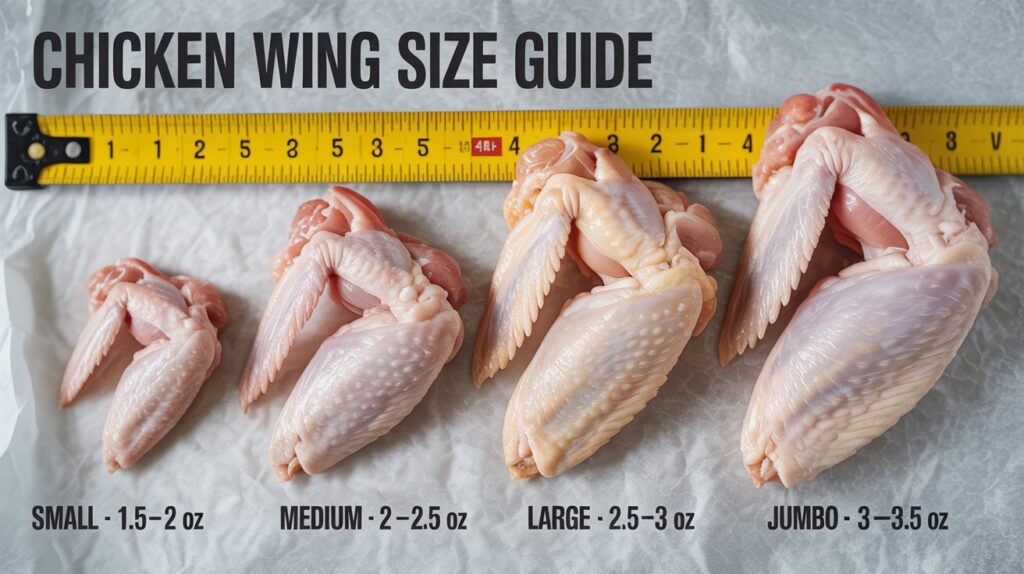
Choosing the right size chicken wings is essential for achieving the best flavor and texture in your recipes. This chart provides a clear overview of different chicken wing sizes, along with their weights and dimensions, making it easy to select the perfect wings for your next gathering or meal. Understanding the sizes will also help you determine the best cooking methods and times for each variety.
| Size | Weight (Each) | Count Per Pound | Best For |
|---|---|---|---|
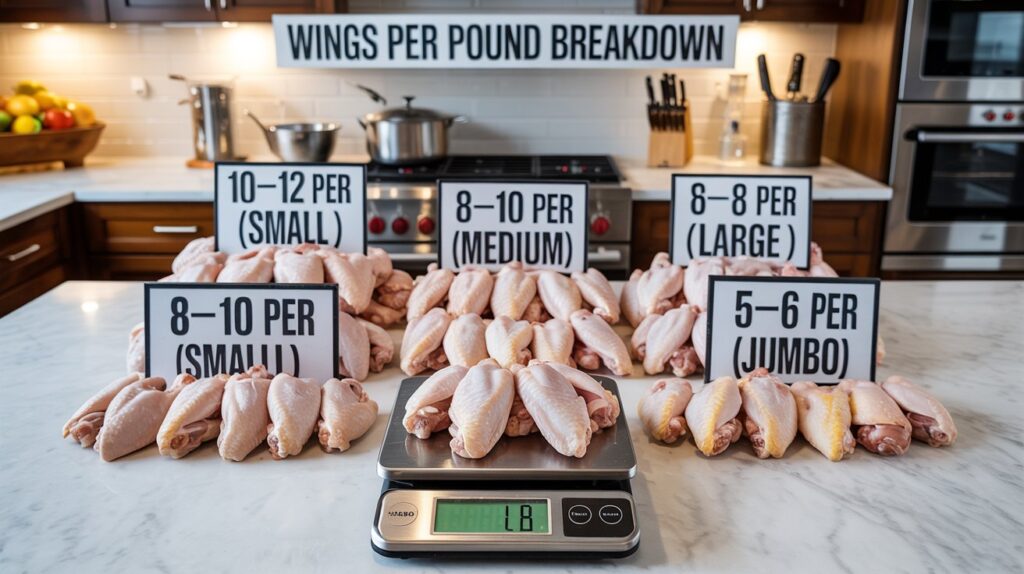
| Small | 1.5–2 oz | 10–12 wings | Frying |
| Medium | 2–2.5 oz | 8–10 wings | Baking |
| Large | 2.5–3 oz | 6–8 wings | Grilling |
| Jumbo | 3–3.5 oz | 5–6 wings | Smoking |
Here are some tips for selecting the right size:
- Small Wings: Great for appetizers or casual gatherings; they cook quickly.
- Medium Wings: Versatile for any occasion, ideal for grilling.
- Large Wings: Perfect for those who enjoy a meatier bite, excellent for smoking.
- Jumbo Wings: Best for hearty appetites, ensure even cooking by checking internal temperature.
Chef’s tip: Always look for wings with a good amount of meat on them for the best flavor and texture!
Cooking Methods by Size
Understanding the recommended cooking methods and times for different sizes of chicken wings is essential to achieving the perfect texture and flavor. Each size requires specific techniques and timing to ensure they are cooked through while remaining juicy and full of flavor. Below, I’ll break down the best cooking methods for small, medium, and large chicken wings.
Baking
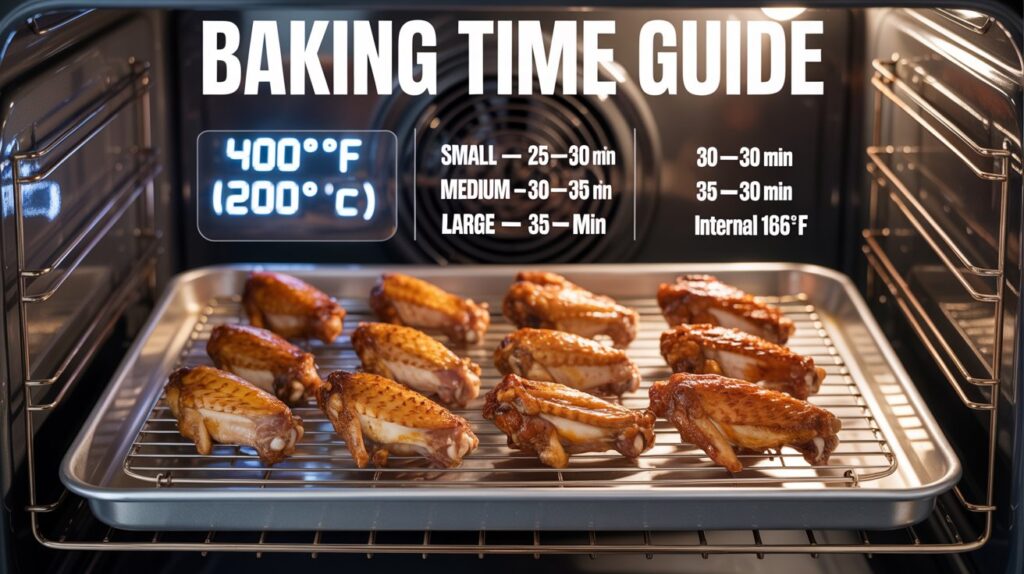
- Small Wings (up to 2 ounces): Bake at 400°F (200°C) for 25-30 minutes until golden brown and crispy. Flip halfway through for even cooking.
- Medium Wings (2-3 ounces): Bake at 400°F (200°C) for 30-35 minutes. Look for a deep golden color and internal temperature of 165°F (74°C).
- Large Wings (over 3 ounces): Bake at 375°F (190°C) for 35-45 minutes. Ensure they are cooked through and juices run clear when pierced.
Frying
- Small Wings: Heat oil to 375°F (190°C) and fry for 6-8 minutes until crispy. Drain on paper towels.
- Medium Wings: Fry at 375°F (190°C) for 8-10 minutes. They should be golden brown and float when done.
- Large Wings: Fry for 10-12 minutes at 375°F (190°C). Always check with a meat thermometer to ensure they reach 165°F (74°C).
Grilling
- Small Wings: Grill over medium heat for 15-20 minutes, turning frequently to avoid burning.
- Medium Wings: Grill for 20-25 minutes, aiming for nice grill marks and a crispy skin.
- Large Wings: Grill for 25-30 minutes; use indirect heat to ensure they cook evenly without burning.
Chef’s tip: Always allow the wings to rest for a few minutes after cooking to let the juices redistribute for maximum flavor.
| Size | Time |
|---|---|
| Small | 25–30 min |
| Medium | 30–35 min |
| Large | 35–40 min |
| Jumbo | 40–45 min |
Choosing the Right Size
Selecting the right size of chicken wings is essential for ensuring that they cook evenly and suit the occasion you’re hosting. Different sizes work better for casual gatherings, formal events, or game day, so understanding the nuances can help elevate your dish and impress your guests.
- Casual Gatherings: For informal get-togethers, medium-sized wings (about 3.5 to 4 ounces each) are a great choice. They provide a good balance of meat to skin, making them perfect for tossing in different sauces and serving with dipping options. Aim for about 5-6 wings per person to keep everyone satisfied.
- Formal Events: If you’re planning a more upscale gathering, consider using larger wings (around 5 to 6 ounces each). Their substantial size allows for a more elegant presentation and can be served with gourmet sauces. Plan for about 3-4 wings per person, as guests may prefer smaller portions alongside other appetizers.
- Game Day: Large wings (approximately 6-8 ounces each) are ideal for game day celebrations. Their hearty size makes them perfect for grilling or baking and ensures that everyone leaves satisfied. For game day, provide about 8-10 wings per person, especially if there are side dishes like fries or nachos.
Chef’s tip: Always check the internal temperature of the wings with a meat thermometer; they should reach 165°F (74°C) for safe consumption.
Common Cooking Mistakes
Cooking chicken wings can be a delightful experience, but there are common mistakes that can ruin your results. Understanding these pitfalls can help ensure your wings are juicy, flavorful, and cooked to perfection, regardless of their size.
- Overcooking: Chicken wings should be cooked to an internal temperature of 165°F (74°C). Overcooking can lead to dry, tough wings. Use a meat thermometer to check the temperature after about 25-30 minutes at 400°F (200°C) if baking. If you notice the skin looks overly dark before reaching this temperature, it’s likely overcooked.
- Undercooking: On the flip side, undercooking can pose health risks. Always check that the juices run clear and there’s no pink meat when you cut into the thickest part of the wing. If you’re unsure, return them to the oven or grill for an additional 5-10 minutes.
- Inadequate Seasoning: Wings need a good amount of seasoning to bring out their flavor. A simple mix of salt, pepper, and your favorite spices (like 1 tablespoon garlic powder and 1 teaspoon paprika) can elevate the taste. Be generous but not overwhelming; you should be able to taste the seasoning without it being too salty.
Chef’s tip: Marinating your chicken wings for at least 30 minutes (or overnight for best results) can enhance the flavor and moisture content.
Substitutions and Variations
This section discusses various substitutions and variations for chicken wings, focusing on gluten-free options and vegan alternatives. These options allow you to cater to different dietary needs while still enjoying the deliciousness of wings.
Gluten-Free Options
If you’re looking to make chicken wings gluten-free, it’s essential to check your ingredients carefully. Here are some suggestions:
- Use gluten-free soy sauce or tamari for marinades and sauces.
- Opt for gluten-free breadcrumbs or crushed cornflakes if breading your wings.
- Make sure to select a gluten-free seasoning blend for dry rubs.
Chef’s tip: Always read labels when buying sauces or seasonings to ensure they are certified gluten-free.
Vegan Alternatives
For a plant-based twist on chicken wings, consider these alternatives:
- Cauliflower: Cut into florets and toss with your favorite wing sauce. Bake at 425°F (220°C) for 20-25 minutes until crispy.
- Tempeh: Slice into strips, marinate, and bake or fry until golden brown. Cooking time will vary; aim for around 15-20 minutes at 375°F (190°C).
- Jackfruit: Use young green jackfruit, marinated and baked or sautéed. This will typically take about 30 minutes at 350°F (175°C) for a tender texture.
| Chicken Wings | Cauliflower Florets | 20-25 minutes at 425°F (220°C) |
| Chicken Wings | Tempeh Strips | 15-20 minutes at 375°F (190°C) |
| Chicken Wings | Jackfruit | 30 minutes at 350°F (175°C) |
Experiment with different sauces and cooking methods to find what works best for you. Remember, the key is to achieve that irresistible flavor and texture, regardless of the base ingredient!
Serving Suggestions
Pairing chicken wings with the right dipping sauces and side dishes can elevate your dining experience. Whether you’re serving them at a game day gathering or a family dinner, these suggestions will complement the flavors of your wings perfectly.
Dipping Sauces
- Classic Buffalo Sauce: This tangy and spicy sauce is a must-have for any wing lover. Combine ½ cup hot sauce with ½ cup melted butter and whisk until smooth. Serve warm.
- Ranch Dressing: A cool and creamy dip that balances the heat of spicy wings. Mix 1 cup buttermilk, ½ cup mayonnaise, and 1 teaspoon each of garlic powder and dried dill. Chill for at least 30 minutes before serving.
- Honey Garlic Sauce: A sweet and savory option that pairs well with all wing sizes. Combine ¼ cup honey, 2 tablespoons soy sauce, and 2 minced garlic cloves, and simmer on low heat until thickened, about 5 minutes.
Side Dishes
- Celery and Carrot Sticks: Fresh and crunchy vegetables are traditional companions that provide a refreshing contrast to the rich flavors of wings. Serve with a sprinkle of salt.
- Coleslaw: A tangy, crunchy slaw made from 2 cups shredded cabbage, 1 cup shredded carrots, and a dressing of ½ cup mayonnaise, 2 tablespoons apple cider vinegar, and salt to taste. Let it chill for 20 minutes before serving.
- French Fries or Sweet Potato Fries: Crispy fries are always a hit. Bake frozen fries at 425°F (220°C) for 20-25 minutes, turning halfway through, until golden brown and crispy.
These serving suggestions will not only enhance the flavor of your chicken wings but also make your meal more enjoyable for everyone. Don’t forget to adjust the sizes of your wings to match the occasion and your guests’ preferences!
Quick Summary
| Prep Time | Cook Time | Total Time | Servings |
|---|---|---|---|
| 10 minutes | 40 minutes | 50 minutes | 4 servings |
- Choose the right size: Standard wings are 2-3 ounces each; adjust cooking times accordingly.
- Preheat oven: Always preheat to 400°F (200°C) for crispy skin.
- Pat dry: Dry wings thoroughly before seasoning for better crispiness.
- Use a wire rack: Elevate wings on a rack to allow air circulation and even cooking.
- Check internal temperature: Cook until wings reach 165°F (75°C) for safety.
- Tip 1: Marinate wings for at least 30 minutes for enhanced flavor.
- Tip 2: Toss in sauce immediately after cooking for better adherence.
Frequently Asked Questions
Can I make this ahead of time? How to store and reheat?
You can prepare chicken wings ahead of time by marinating them and storing them in the fridge for up to 24 hours. To reheat, bake them at 350°F (175°C) for about 15-20 minutes until heated through.
What can I substitute for the key ingredient?
If you’re out of chicken wings, you can substitute with drumsticks or boneless chicken thighs, but adjust the cooking time accordingly. Aim for a similar weight, approximately 2-3 pounds to maintain flavor and texture.
How do I know when it’s done?
Your chicken wings are done when they reach an internal temperature of 165°F (74°C) and the juices run clear. You can use an instant-read thermometer to check the thickest part of the wing for accuracy.
Can I freeze this? How long does it last?
Yes, you can freeze cooked chicken wings for up to 6 months in an airtight container. Make sure to cool them completely before freezing to preserve texture and flavor.
What if I don’t have a deep fryer?
If you don’t have a deep fryer, you can bake or air fry your chicken wings for a crispy result. Bake at 425°F (220°C) for about 40-45 minutes, flipping halfway through for even cooking.
