
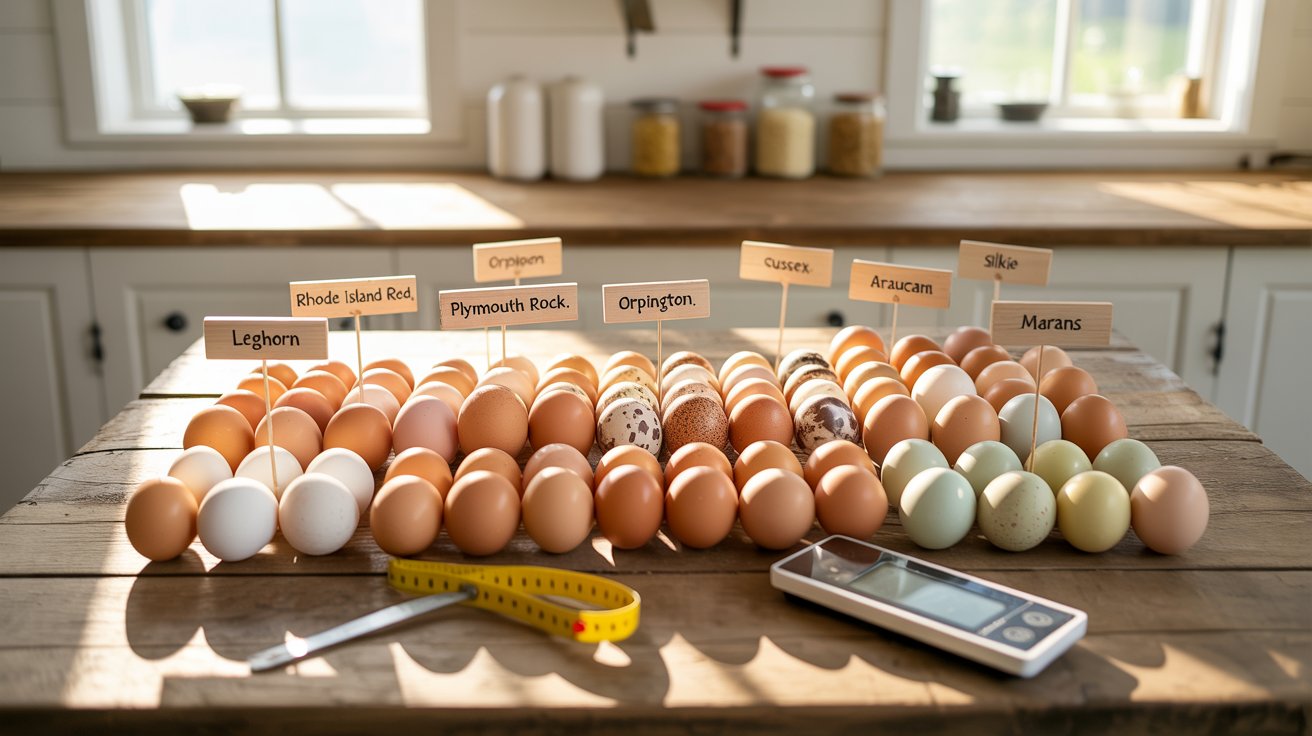
Are you curious about why chicken eggs come in different sizes? Understanding egg size can help you choose the right breed for your needs, whether you want bigger eggs for baking or smaller ones for snacking.
This Chicken Egg Size Chart by Breed will give you clear, simple insights into which breeds lay the eggs you’re looking for. Keep reading to discover how your favorite hens stack up and make smarter choices for your flock or kitchen.
Egg Size Categories
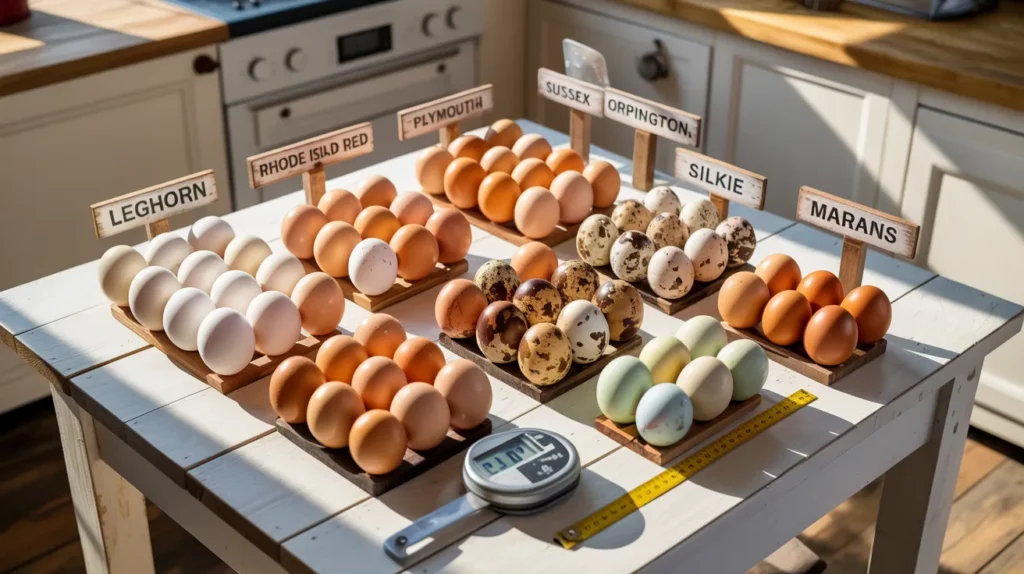
Chicken eggs come in different sizes. These sizes are grouped into categories. Each category helps buyers and cooks know what to expect. Egg size affects cooking time and recipe results. Knowing these categories makes choosing eggs easier.
Jumbo And Extra Large
Jumbo eggs are the biggest you find in stores. They weigh about 2.5 ounces each. Extra large eggs are slightly smaller, around 2.25 ounces. These eggs come from larger or older hens. They have more yolk and white, perfect for baking.
Large And Medium
Large eggs weigh about 2 ounces. They are the most common size for everyday use. Medium eggs weigh around 1.75 ounces. These eggs are smaller but still good for cooking and eating. Both sizes are popular among many chicken breeds.
Small And Peewee
Small eggs weigh about 1.5 ounces. Peewee eggs are the tiniest, less than 1.25 ounces. These come from young hens or small breeds. They have less white and yolk, ideal for snacks or feeding chicks. Small eggs can be harder to find in stores.
Factors Affecting Egg Size
Egg size varies among chickens and depends on many factors. These factors influence how big or small the eggs will be. Understanding these helps in predicting egg size by breed.
Breed Genetics
Each chicken breed has unique genes affecting egg size. Some breeds naturally lay larger eggs. Others produce smaller eggs. Genetics sets a basic egg size range for each breed.
Age Of Hen
Young hens lay smaller eggs at first. As hens grow older, egg size increases. Older hens lay the largest eggs but may slow down in laying frequency.
Diet And Nutrition
Proper food affects egg size and quality. Hens need enough protein, calcium, and vitamins. Poor diet leads to smaller or weak eggshells. Good nutrition supports bigger and healthy eggs.
Popular Breeds And Their Egg Sizes
Different chicken breeds lay eggs of different sizes. Knowing the breed helps predict egg size. This is useful for farmers and home keepers alike.
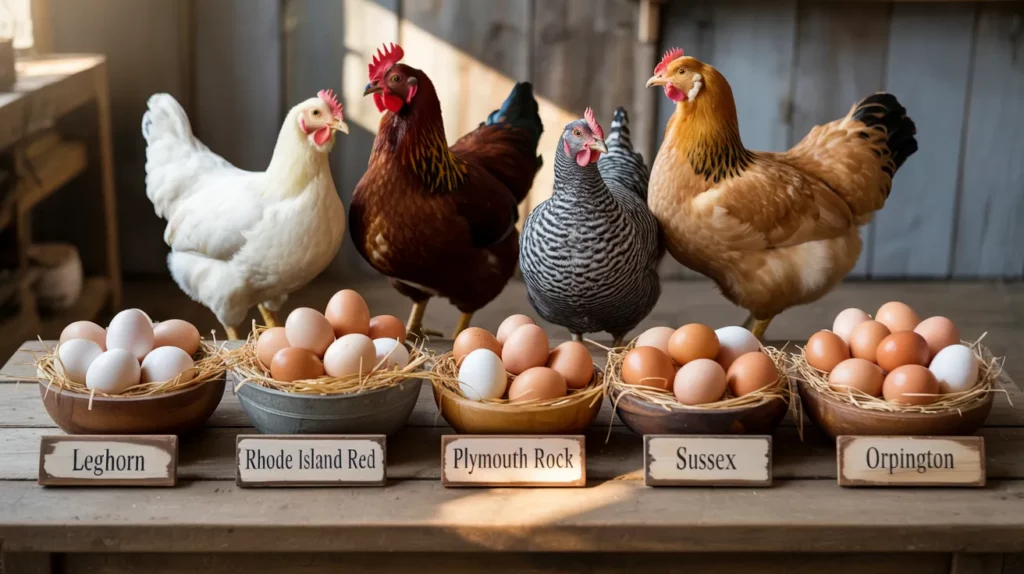
Egg size impacts cooking and selling prices. Some breeds are known for large eggs. Others produce medium or small eggs. Below are popular breeds and their egg sizes.
Leghorn
Leghorns are famous for laying large, white eggs. They are very productive layers. These chickens lay about 280 eggs yearly. Their eggs usually weigh around 55 grams.
Rhode Island Red
Rhode Island Reds lay brown eggs. Their eggs are medium to large in size. These chickens are hardy and good layers. They lay about 250 eggs per year.
Plymouth Rock
Plymouth Rocks produce medium to large brown eggs. They are calm and easy to raise. These birds lay around 200 to 250 eggs yearly. Their eggs weigh close to 57 grams.
Sussex
Sussex chickens lay large light brown eggs. They are friendly and good for beginners. These hens lay about 250 eggs per year. Their eggs average about 60 grams.
Orpington
Orpingtons lay large brown eggs. They are gentle and make great pets. These chickens lay about 175 to 200 eggs yearly. Their eggs often weigh 60 grams or more.
Rare Breeds With Unique Egg Sizes
Rare chicken breeds often produce eggs that differ in size and color. These unique eggs add charm to any collection. Understanding their size helps with feeding and care.
Araucana
Araucanas are famous for their blue or green eggs. Their egg size is usually medium. These eggs weigh about 50 grams. The shells are smooth and strong. This breed lays eggs less often than common hens.
Silkie
Silkies are small, fluffy chickens with gentle temperaments. Their eggs are small, about 35 grams each. The shells are cream-colored and delicate. Silkie hens lay fewer eggs yearly. Their unique look makes them popular pets.
Marans
Marans produce dark brown eggs with a rich color. Their eggs are large, weighing around 60 grams. The thick shells help protect the egg well. Marans lay eggs steadily throughout the year. They are prized for both size and color.
Measuring And Weighing Eggs
Measuring and weighing eggs is key to understanding their size. It helps classify eggs correctly by breed and quality. This process is simple and gives useful information for farmers and sellers. Accurate measurement ensures eggs meet market standards.
Standard Weight Ranges
Egg sizes follow specific weight ranges. Small eggs weigh about 38 to 43 grams. Medium eggs range from 44 to 49 grams. Large eggs weigh between 50 and 56 grams. Extra-large eggs are 57 to 63 grams. Jumbo eggs weigh over 64 grams. These ranges help sort eggs quickly and easily.
Tools For Accurate Measurement
Using the right tools improves egg measurement accuracy. A kitchen scale is ideal for weighing eggs. It shows weight in grams or ounces. Egg measuring devices can also check size by volume. Digital scales give precise results fast. Clean and calibrate tools often for best results.
Egg Size Impact On Cooking
Egg size affects cooking results more than many realize. Different breeds lay different sized eggs. Using the wrong size can change texture and taste. Recipes often call for large eggs, which weigh about 50 grams each. Smaller or larger eggs shift the balance of ingredients. This can affect how a dish turns out.
Chicken Egg Size Chart by Breed
| Chicken Breed | Egg Size | Average Weight |
|---|---|---|
| Leghorn | Large | ~55 g |
| Rhode Island Red | Medium–Large | ~53–55 g |
| Plymouth Rock | Medium–Large | ~57 g |
| Sussex | Large | ~60 g |
| Orpington | Large | 60 g+ |
| Araucana | Medium | ~50 g |
| Silkie | Small | ~35 g |
| Marans | Large | ~60 g |
| Jersey Giant | Extra-Large | 63 g+ |
| ISA Brown | Large | ~58 g |
Recipe Adjustments
Adjust the number of eggs based on size. For smaller eggs, add one or two more to match volume. For larger eggs, use fewer to avoid extra liquid. This keeps recipes balanced and consistent. Eggs also add moisture and fat. Changing size changes the amount of these elements.
Baking Considerations
Baking is sensitive to egg size. Too much liquid can make dough or batter too wet. Too little can make it dry or crumbly. Large eggs add more moisture and fat. Small eggs reduce these, possibly changing texture. Measure eggs by weight for best results. This helps keep your baked goods perfect every time.
Tips For Selecting Eggs By Size
Selecting the right egg size can make a difference in cooking and baking. Eggs vary in size depending on the breed of the chicken. Knowing how to pick eggs by size helps you get the best results for your recipes. Here are some tips to guide you through the process.
Buying From Farmers And Markets
Farmers and local markets often sell eggs by size and breed. Ask the seller about the breed of hens. Different breeds lay eggs of different sizes. Choose eggs that match your recipe needs. Freshness is usually higher at farmers’ markets. You can also see the eggs up close before buying.
Checking Labels
Egg cartons have size labels like small, medium, large, or extra-large. These labels follow standard weight ranges. Check the label to find the size you want. Some cartons also mention the breed or farm name. This information helps you pick eggs that suit your cooking. Always choose eggs with clear and honest labels.
Frequently Asked Questions
What Factors Influence Chicken Egg Size By Breed?
Chicken egg size varies mainly due to breed genetics. Larger breeds typically lay bigger eggs. Age and diet also affect egg size. Understanding breed characteristics helps predict egg size accurately.
Which Chicken Breeds Lay The Largest Eggs?
Breeds like Jersey Giant, Leghorn, and Rhode Island Red lay large eggs. These breeds are popular for their consistent large egg production. Egg size is a key factor for commercial poultry farming.
How Does Egg Size Affect Nutritional Value?
Larger eggs generally contain more protein and nutrients. However, the difference is not drastic. All egg sizes provide essential vitamins and minerals. Nutrition depends more on hen’s diet than egg size.
Can Egg Size Indicate Chicken Health?
Yes, egg size can reflect chicken health and maturity. Sudden changes in egg size may signal stress or illness. Regular monitoring helps maintain flock health and egg quality.
Conclusion
Knowing chicken egg sizes helps choose the right breed for you. Different breeds lay eggs of various sizes. Small, medium, large, or extra-large eggs all have their uses. This chart guides you to pick breeds that match your needs. Healthy hens lay consistent eggs when cared for well.
Understanding egg sizes also helps in cooking and selling. Keep this chart handy for quick reference anytime. Enjoy raising chickens and collecting eggs that suit your lifestyle. Simple and clear knowledge makes your poultry journey easier.
