
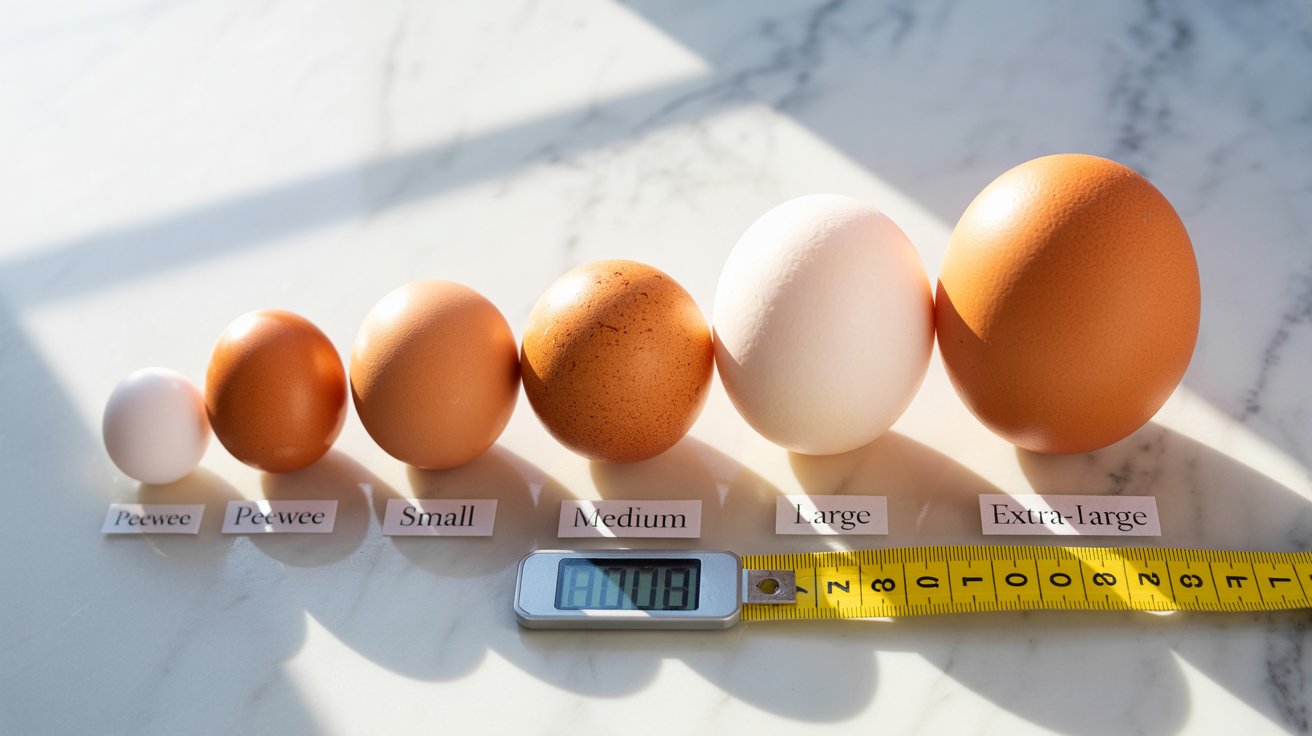
Are you curious about how chicken egg sizes really stack up? Whether you’re cooking, baking, or just want to know what you’re buying at the store, understanding egg sizes can make a big difference.
This Chicken Egg Size Chart will help you quickly spot the right size for your needs. You’ll learn what each size means, why it matters, and how it can improve your recipes. Keep reading to make sure you never get caught off guard by an unexpected egg size again!
Egg Size Categories
Egg size categories help buyers and cooks choose the right eggs. Sizes tell how much an egg weighs and its volume. This guide explains the different size groups and their weight ranges. It also clarifies common labels found in stores.
Jumbo To Peewee Sizes
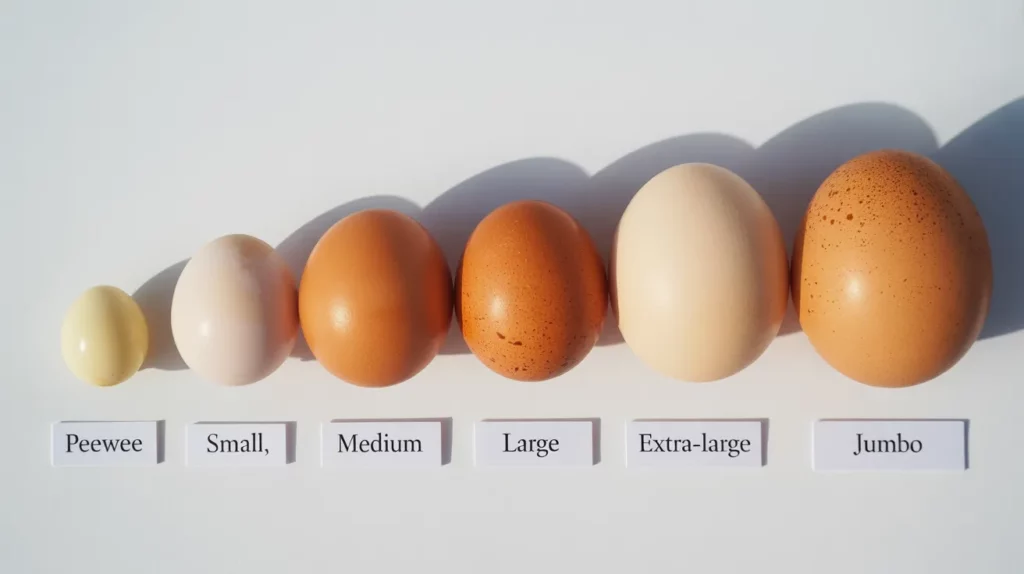
Eggs come in many sizes from jumbo to peewee. Jumbo eggs are the largest. Peewee eggs are the smallest. Medium, large, and extra-large fall between these sizes. Each size fits different cooking needs and recipes.
Weight Ranges For Each Size
Egg sizes are based on weight per dozen eggs. Jumbo eggs weigh about 30 ounces per dozen. Extra-large eggs weigh around 27 ounces. Large eggs weigh 24 ounces. Medium eggs are 21 ounces. Small eggs weigh 18 ounces. Peewee eggs weigh less than 18 ounces per dozen.
Common Size Labels
Labels like Large, Medium, and Jumbo are common on egg cartons. Large is the most popular size for baking and cooking. Extra-large and jumbo eggs suit bigger recipes. Medium and small eggs are often used for snacks or smaller dishes. Peewee eggs are rare and less sold in stores.
How Egg Sizes Are Measured
Egg sizes vary, and understanding how they are measured helps in choosing the right eggs. Different methods exist to classify eggs based on weight and size. These methods ensure consistency for buyers and sellers.
Weight Per Dozen Method
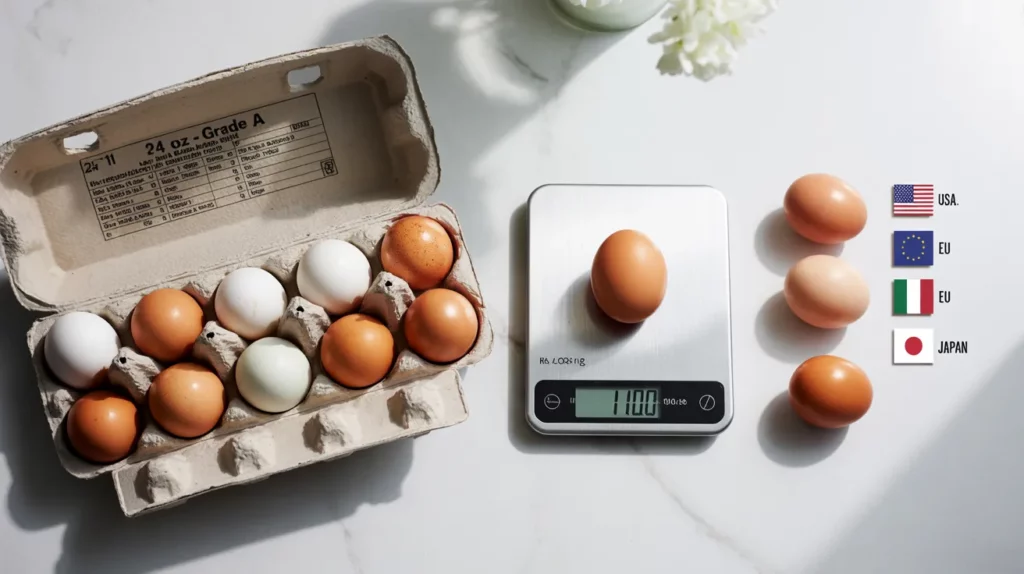
This method measures the total weight of twelve eggs together. The combined weight determines the size category. For example, a dozen large eggs weigh more than a dozen medium eggs. This method is common in many markets and helps buyers get consistent egg sizes.
Individual Egg Weight
Each egg is weighed separately to classify its size. Weighing eggs one by one gives a precise size label. This method is useful in farms and quality control areas. It helps avoid mixing eggs of different sizes in one package.
Standards By Country
Different countries have their own egg size standards. The United States, Europe, and Japan use unique weight ranges for each size. For example, a large egg in the US may differ from a large egg in Europe. Knowing local standards helps buyers understand egg sizes better.
Impact Of Egg Size On Cooking
Egg size plays a key role in cooking results. Different sizes affect texture, taste, and cooking time. Recipes often assume a standard egg size. Using a different size can change the outcome. Understanding egg size helps adjust recipes correctly.
Adjusting Recipes
Recipes usually call for large eggs. Smaller eggs mean less liquid and protein. This can change the dish’s texture and moisture. Larger eggs add more liquid, which may make batter too wet. Adjust the number of eggs or add a bit of water to balance.
Baking With Different Sizes
Baking is sensitive to egg size. Cakes and cookies rely on eggs for structure and moisture. Using smaller eggs may cause dryness or crumbling. Bigger eggs can make batter too runny. Measure eggs by weight for best results, not just by count.
Nutritional Variations
Egg size also affects nutrition. Larger eggs have more calories, protein, and fat. Smaller eggs contain fewer nutrients but still offer health benefits. Choose egg size based on diet needs and recipe demands. Balance nutrition with cooking goals for best results.
Factors Affecting Egg Size
Egg size can vary a lot. Several factors affect how big or small a chicken egg will be. Understanding these factors helps farmers and hobbyists predict egg size better. It also helps in choosing the right hens for specific egg sizes. Below are the main factors that affect egg size.
Hen Breed Differences
Different hen breeds lay different sized eggs. Some breeds naturally produce larger eggs. Others are known for smaller eggs. For example, Leghorns usually lay medium to large eggs. Orpingtons tend to lay bigger eggs. Breed genetics play a key role in egg size.
Age Of The Hen
Young hens lay smaller eggs at first. As hens get older, their eggs grow larger. The biggest eggs often come from hens in their second year. After a few years, egg size may decrease again. Age affects the hen’s body and egg formation.
Nutrition And Environment
Good nutrition helps hens lay bigger eggs. Protein, calcium, and vitamins matter most. Poor diet can lead to smaller or weak eggs. The hen’s environment also impacts egg size. Stress, temperature, and space affect how hens lay eggs.
Chicken Egg Size Chart
| Egg Size | Weight per Dozen | Avg. Weight per Egg |
|---|---|---|
| Jumbo | 30 oz (850 g) | ~2.5 oz (70 g) |
| Extra-Large | 27 oz (765 g) | ~2.25 oz (64 g) |
| Large | 24 oz (680 g) | ~2.0 oz (57 g) |
| Medium | 21 oz (595 g) | ~1.75 oz (50 g) |
| Small | 18 oz (510 g) | ~1.5 oz (43 g) |
| Peewee | <18 oz (<510 g) | ~1.25 oz (35 g) |
Buying Tips Based On Egg Size
Egg size matters when buying eggs. It affects cooking results and costs. Choosing the right size saves money and improves meals. Understanding egg sizes helps pick the best eggs for each purpose. Use these tips to shop smart based on egg size.
Choosing For Breakfast Vs Baking
Small eggs work well for simple breakfast dishes. Large eggs suit recipes needing more volume. Baking usually asks for large or extra-large eggs. Using the wrong size can change the texture and taste. Match egg size to your cooking needs for best results.
Price Differences
Smaller eggs cost less than larger ones. Prices rise with egg size. Buying bigger eggs may save time in the kitchen. Choose size based on budget and recipe needs. Avoid paying more for eggs that do not fit your plans.
Label Reading Guide
Egg cartons list sizes like small, medium, or large. Check the label for exact size before buying. Some labels also show weight per dozen. Use this info to compare prices fairly. Always read labels to pick the right eggs for you.
Egg Size In Global Markets
Egg size varies widely across global markets. Different countries use distinct systems to classify egg sizes. These standards affect pricing, packaging, and consumer expectations. Understanding these differences helps in buying or selling eggs internationally.
Us Vs European Standards
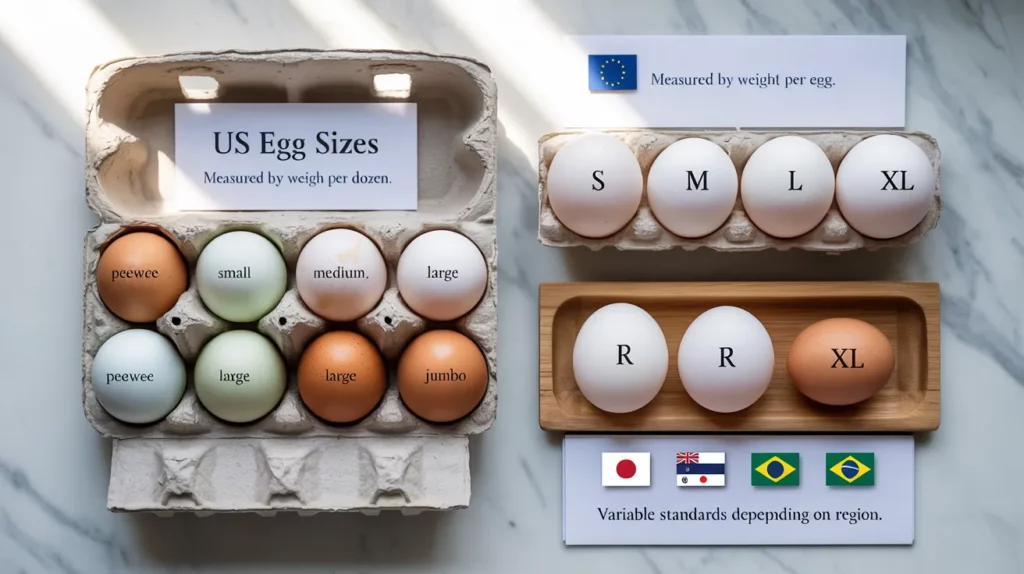
The US uses weight per dozen to define egg sizes. Sizes range from Peewee to Jumbo. European countries classify eggs by weight per egg. Common categories include Small, Medium, Large, and Extra Large. European eggs are often smaller than US eggs in the same category. This can cause confusion in recipes or trade.
Other Regional Variations
Asia, Australia, and Latin America have their own size classifications. Australia uses sizes like Medium, Large, and Extra Large but with different weight ranges. Asian countries may use terms like Small or Large without strict weight rules. These variations reflect local consumer habits and hen breeds. Sellers must adapt to local standards for market success.
Export And Import Considerations
Egg size affects export prices and import regulations. Exporters must label eggs according to the destination’s standards. Incorrect labeling can lead to shipment delays or fines. Importers need to check size compliance before sale. Understanding size charts helps avoid trade issues and ensures customer satisfaction.
Frequently Asked Questions
What Are The Common Chicken Egg Size Categories?
Chicken eggs are categorized as small, medium, large, extra-large, and jumbo. Sizes depend on the egg’s weight per dozen. This classification helps consumers and bakers choose eggs suitable for recipes and nutritional needs.
How Is Chicken Egg Size Measured?
Egg size is measured by weight per dozen eggs. The USDA sets specific weight ranges for each size category. This ensures consistency and helps buyers understand egg volume and quality.
Why Does Chicken Egg Size Vary?
Egg size varies due to hen breed, age, diet, and environment. Older hens usually lay larger eggs. Proper nutrition and care also influence egg size and quality.
Does Egg Size Affect Cooking Or Baking?
Yes, egg size impacts recipe outcomes. Larger eggs provide more liquid and protein. Adjust recipes accordingly for consistent texture and taste.
Conclusion
Understanding chicken egg sizes helps in cooking and baking accurately. Different recipes call for specific egg sizes to get the best results. Knowing the size chart saves time and reduces mistakes in the kitchen. Eggs come in small, medium, large, and extra-large sizes.
Each size has a different weight and volume. Keeping this chart handy makes grocery shopping easier too. Simple knowledge leads to better meals and less waste. Use this guide to choose the right eggs every time. Cooking becomes smoother with the right egg size in hand.
