
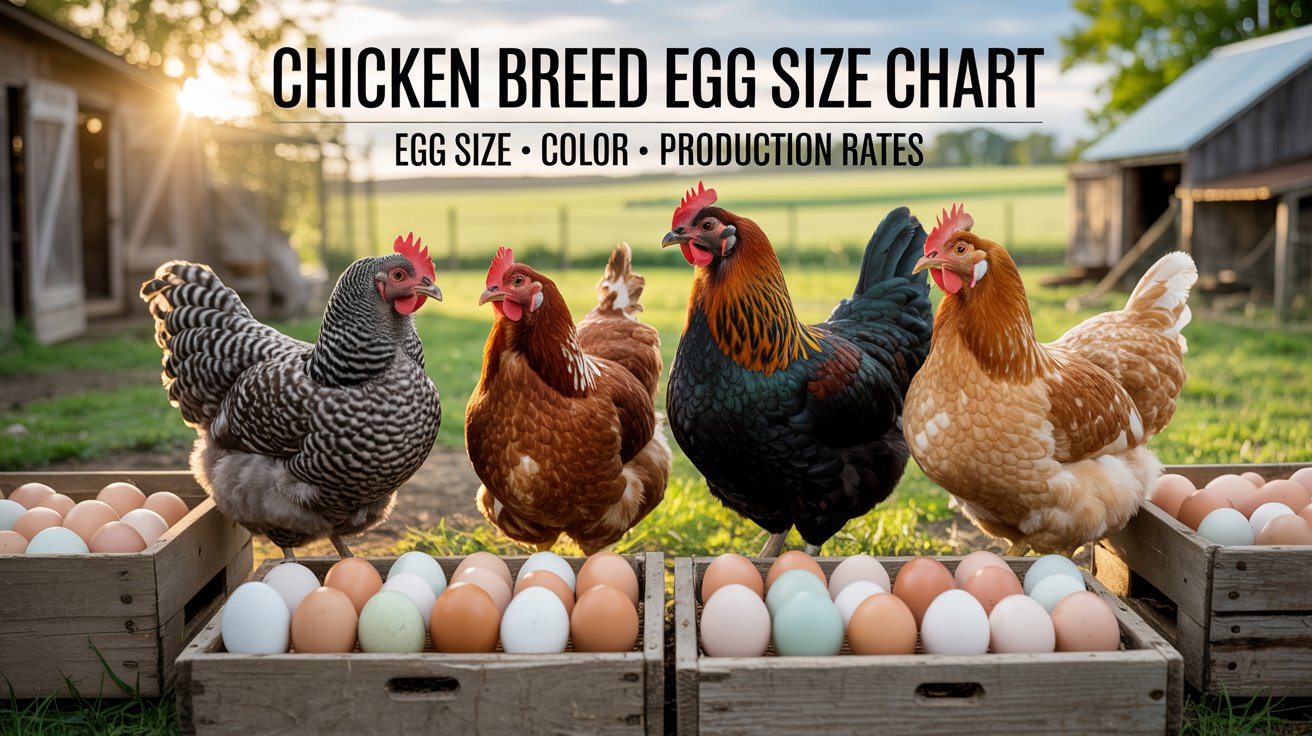
If you’ve ever wondered which chicken breeds lay the biggest eggs or what colors they come in, you’re in for a treat! This chicken breed egg size chart is not just informative; it’s your go-to guide for selecting the perfect layers for your backyard. Imagine gathering fresh, perfectly-sized eggs every morning — it’s pure bliss!
With this chart, you’ll find average egg sizes, colors, and production rates for various chicken breeds. Total time to read through is just a few minutes, with easy-to-follow details that make it simple. Perfect for beginner and experienced chicken keepers alike!
History of Chicken Breeds
This section explores the origins and significance of various chicken breeds, particularly in relation to their egg production. Understanding these breeds is crucial for any home cook or farmer interested in selecting the right chickens for egg size, color, and yield.
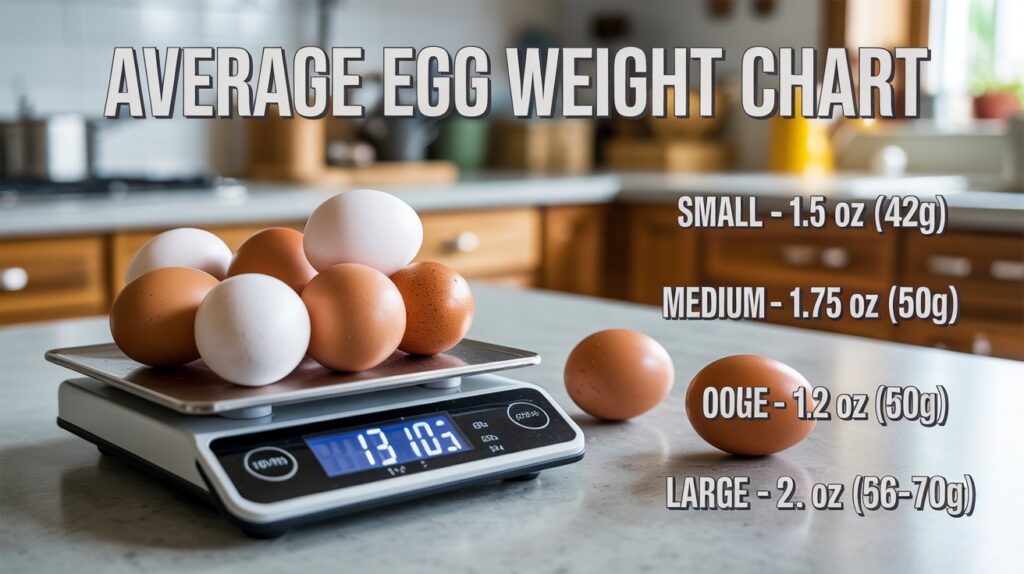
| Size | Weight per Egg |
|---|---|
| Small | ~1.5 oz (42g) |
| Medium | ~1.75 oz (49g) |
| Large | ~2 oz (56g) |
| Extra Large | ~2.25 oz (63g) |
| Jumbo | 2.5 oz+ (70g+) |
Ancient Breeds
- Red Junglefowl: The ancestor of all domestic chickens, the Red Junglefowl, hails from Southeast Asia. It was domesticated around 8,000 years ago and is known for its small, white eggs.
- Chinese Breeds: Ancient Chinese breeds like the Silkies and Cochin were prized for their unique feathering and egg-laying abilities. Silkies typically lay smaller eggs with a creamy color, while Cochins can produce medium-sized brown eggs.
Modern Hybrids
- Leghorn: Developed in Italy, Leghorns are prolific layers known for their large white eggs. They can produce up to 280 eggs annually, making them a staple in commercial egg production.
- Rhode Island Red: An American breed, the Rhode Island Red is recognized for its hardiness and ability to lay medium to large brown eggs. They are known to lay consistently, even in colder climates.
Understanding the history and characteristics of these breeds not only informs egg production choices but also helps in appreciating the culinary diversity that chicken eggs offer. Knowing which breed lays what size and color of egg can significantly impact your cooking and baking endeavors.
Egg Size Chart
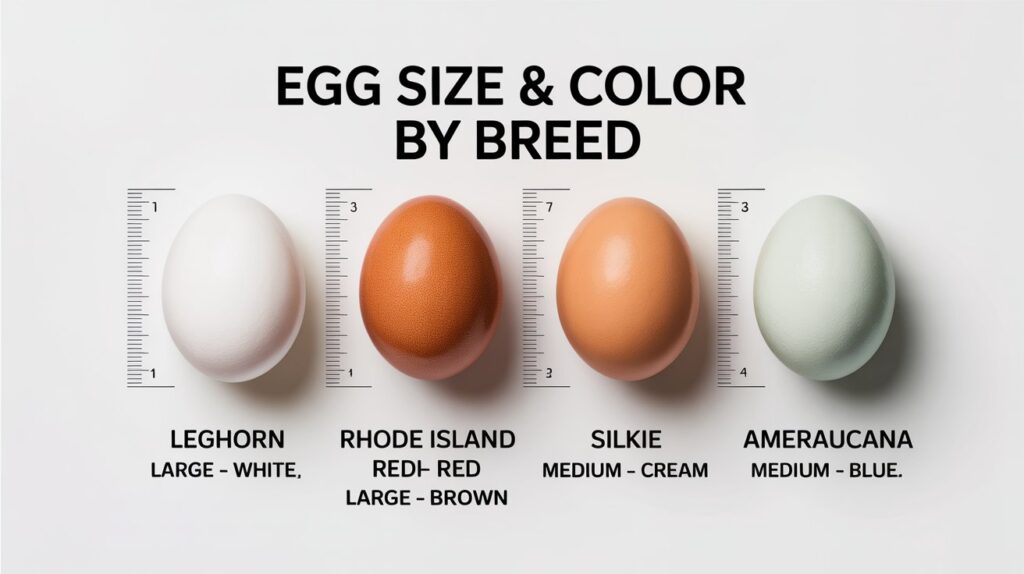
This section provides a detailed chart of various chicken breeds alongside their average egg sizes, egg colors, and production rates. Understanding this information is crucial for both new and experienced chicken keepers looking to optimize their flock for egg production and diversity.
| Leghorn | Large (2.5 oz / 70 g) | White | 5-7 |
| Rhode Island Red | Large (2.5 oz / 70 g) | Brown | 5-6 |
| Silkie | Medium (1.5 oz / 42 g) | Brown | 3-4 |
| Plymouth Rock | Large (2.5 oz / 70 g) | Brown | 4-5 |
| Ameraucana | Medium (2 oz / 56 g) | Blue or Green | 4-5 |
Pro tip: Consider the egg color when choosing breeds for your flock; certain colors can be more desirable for specific markets or personal preferences.
- Leghorns: Known for their high production rates and excellent feed-to-egg conversion.
- Rhode Island Reds: Hardy birds that are great for both meat and egg production.
- Silkies: While they lay fewer eggs, their unique appearance and friendly nature make them popular pets.
- Plymouth Rocks: A great dual-purpose breed, known for their friendly disposition.
- Ameraucana: Their colorful eggs can add a unique touch to your egg basket.
Factors Influencing Egg Size
Understanding the factors that influence the size of chicken eggs is crucial for anyone interested in poultry. Egg size can vary significantly based on breed characteristics, diet, and the age of the hen, all of which play a vital role in egg production.
Breed Characteristics
Different chicken breeds are known for producing eggs of varying sizes. Here are some examples:
- Leghorn: Medium to large eggs
- Rhode Island Red: Large eggs
- Silkie: Small to medium eggs
Generally, larger breeds tend to produce larger eggs. It’s essential to choose breeds based on your egg size preference.
Diet and Nutrition
The nutritional intake of hens directly impacts egg size. A balanced diet rich in:
- Protein (e.g., 16-18% protein feed)
- Calcium (e.g., crushed oyster shells for stronger shells)
- Vitamins and minerals (e.g., vitamin D for calcium absorption)
ensures hens are healthy and capable of producing the best quality eggs. Poor nutrition can lead to smaller or less viable eggs.
Age of Hen
The age of the hen also affects egg size. Younger hens typically lay smaller eggs, which gradually increase in size as they mature. Here’s a rough timeline:
| Age of Hen | Average Egg Size |
|---|---|
| 5-6 months | Small to medium |
| 7-12 months | Medium to large |
| 1 year and older | Large to extra-large |
Monitoring the age and health of your hens will help you anticipate changes in egg size and production rates.
Selecting Breeds for Egg Production
Choosing the right chicken breeds for egg production is essential for any home cook looking to have a steady supply of fresh eggs. This section will guide you through the key factors to consider, including egg size preference, color preference, and production rates, to help you make informed decisions.
- Determine Egg Size Preference: Start by deciding what size eggs you want from your hens. Hens typically lay small, medium, large, or extra-large eggs. For example, breeds like the Leghorn are known for laying large eggs consistently, while bantams will produce smaller ones. Consider your cooking needs; larger eggs are often preferred for baking.
- Consider Egg Color Preference: Egg color can vary significantly between breeds, ranging from white to brown, and even blue or green. If you have a specific aesthetic in mind for your egg basket, breeds like the Araucana will give you beautiful blue eggs, while Rhode Island Reds provide a rich brown. Keep in mind that the color of the egg does not affect its taste or nutritional value.
- Evaluate Production Rates: Research the average egg production rates of different breeds to find those that will meet your needs. For instance, the prolific Isa Brown can lay around 300 eggs per year, making it an excellent choice for consistent egg supply. Conversely, some heritage breeds may lay fewer eggs but offer unique flavors and characteristics.
Chef’s tip: Keep a record of each breed’s performance in your coop to help refine your choices for future egg production.
Visual Reference for Breeds
This section provides visual references of various chicken breeds and their corresponding eggs, enhancing your understanding of the chicken breed egg size chart. By seeing the breeds alongside their eggs, you’ll gain a better appreciation of the size and color variations that impact your egg production choices.
Breed Images
Leghorn: Known for its prolific egg-laying, the Leghorn is a white-feathered breed that produces large white eggs.

Rhode Island Red: This hardy breed is recognized by its rich mahogany color and lays medium to large brown eggs.

Australorp: A beautiful black bird that is known for its egg-laying capability, producing large brown eggs.

Egg Images
Below is a comparison of the egg sizes and colors from different breeds:
| Breed | Egg Size | Egg Color |
|---|---|---|
| Leghorn | Large | White |
| Rhode Island Red | Medium to Large | Brown |
| Australorp | Large | Brown |
Chef’s tip: Pay attention to the egg color and size when selecting breeds, as it can influence your market appeal if you plan to sell eggs.
Common Mistakes in Breed Selection
Selecting the right chicken breed for egg production is crucial for any home cook or farmer. However, many people overlook important factors that can significantly impact egg size and production rates. In this section, we’ll highlight common mistakes related to local climate and breed compatibility that can lead to disappointment in your egg-laying expectations.
Ignoring Local Climate
Each chicken breed has its own tolerance levels for temperature and humidity. Failing to consider your local climate can lead to poor egg production or health issues in your flock.
- Choose breeds that thrive in your specific climate zone. For example, breeds like the Rhode Island Red are excellent for colder climates, while the Leghorn does well in warmer areas.
- Monitor temperature extremes. Chickens can suffer in heat over 90°F (32°C) or extreme cold below 20°F (-6°C).
Neglecting Breed Compatibility
Not all breeds get along well, which can affect their overall productivity. It’s essential to consider how different breeds interact with each other.
- Mixing aggressive breeds with more docile ones can lead to stress and reduced egg production.
- Consider space requirements. Overcrowding can lead to fighting and stress, further impacting egg-laying.
Pro tip: Research common breeds in your area and consider joining local poultry groups to gain insights into which breeds perform best under your conditions.
Egg Color and Its Impact
Egg color can significantly affect consumer preferences and the marketability of eggs, influencing purchasing decisions and perceptions of quality. While both brown and white eggs offer similar nutritional value, their visual appeal can lead to different consumer choices, making it essential for chicken breed egg size charts to include this information.
- Brown vs. White Eggs: Brown eggs are often associated with organic or free-range farming practices, leading many consumers to perceive them as healthier or more natural. This perception can drive higher prices in markets where brown eggs are sold, even though the nutritional content remains largely the same as white eggs.
- Consumer Perceptions: Many consumers believe that the color of the eggshell indicates the quality or freshness of the egg. While this is a misconception, it impacts buying behavior. For instance, in certain regions, brown eggs may command a premium price, while in others, white eggs dominate the market.
- Market Trends: Understanding local preferences for egg color can help producers tailor their flocks. For example, if a community shows a strong preference for brown eggs, it may be beneficial to select breeds that produce them, even if the average size is smaller than that of white egg-laying breeds.
- Breed Selection: Including egg color in breed selection can enhance the overall marketability of the eggs. Farmers should consider both the size and color of the eggs produced by different breeds when creating their chicken breed egg size charts, allowing them to align their production with consumer demand.
Quick Summary
| Prep Time | Cook Time | Total Time | Servings |
|---|---|---|---|
| 5 mins | 0 mins | 5 mins | 1 |
- Identify breeds: Research the specific chicken breeds for accurate egg size information.
- Measure sizes: Use a ruler or calipers for precise egg measurements.
- Document findings: Keep a record of egg sizes for easy reference.
- Compare charts: Utilize available charts to understand size variations among breeds.
- Update regularly: Check for new breed information or changes in egg sizes.
- Tip: Use a consistent measuring method for accuracy.
- Tip: Always verify with multiple sources to ensure reliability.
Frequently Asked Questions
Can I make this ahead of time? How to store and reheat?
You can prepare a chicken breed egg size chart ahead of time by compiling your data and storing it as a PDF or image file. Keep it in the refrigerator for up to a week, and simply reprint or view it on your device when needed.
What can I substitute for a missing chicken breed?
If you don’t have a specific chicken breed, you can use general egg size categories like large, medium, or small eggs instead, as they will give you a good reference point. Just keep in mind that different breeds may have varying yolk and shell colors.
How do I know when the eggs are ready to use in recipes?
Check the size and weight of your eggs; large eggs typically weigh about 24 ounces per dozen. If you’re following a recipe, use a scale to ensure you have the right amount for your dish.
Can I freeze eggs from different chicken breeds? How long do they last?
You can freeze eggs, but it’s best to crack them first, mix the yolks and whites, and store them in an airtight container. Frozen eggs can last up to one year in the freezer.
What if I don’t have a specific size chart for eggs?
If you lack a size chart, you can easily create one using a scale to weigh your eggs, as large eggs weigh around 2 ounces each, while medium weigh about 1.75 ounces. This can help you approximate sizes based on weight in your recipes.
