
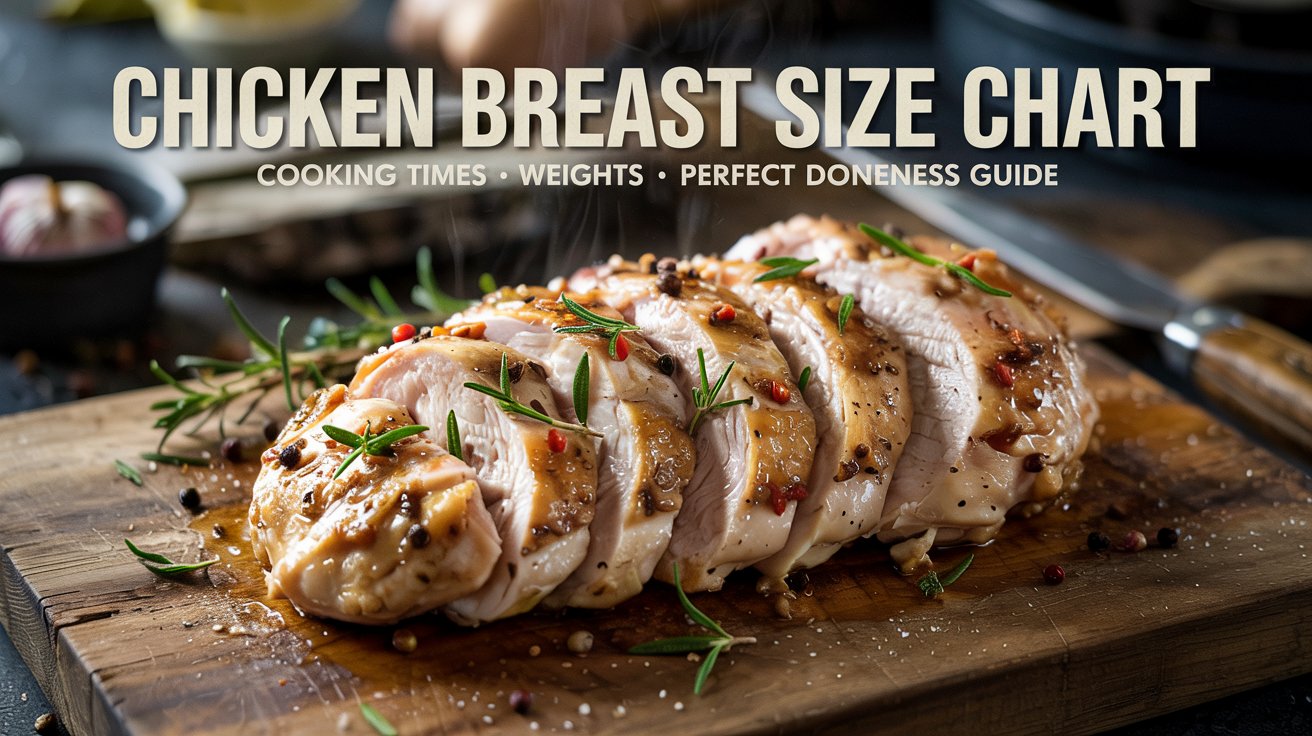
Chicken breasts are the ultimate weeknight staple, perfect for a quick dinner that satisfies everyone at the table. Whether grilled, baked, or sautéed, the versatility of chicken makes it an ideal canvas for bold flavors and comforting textures. Imagine juicy, tender chicken, seasoned just right, paired with your favorite sides — it’s a meal that feels like a warm hug!
With this chicken breast size chart, you’ll get precise cooking times and measurements for different sizes, ensuring perfect doneness every time. This guide is easy to follow and includes tips for troubleshooting common issues.
Chicken Breast Origins
Understanding the origins of chicken breasts not only enriches our culinary knowledge but also highlights their significance across various cultures. Chicken has been a staple in many cuisines around the world, and the popularity of chicken breasts has evolved over centuries.
Culinary History
- Domestication of Chickens: Chickens were first domesticated around 8,000 years ago in Southeast Asia. Over time, they spread across the globe, becoming integral to diets in various regions.
- Shift to Breast Meat: In the past century, the preference for chicken breasts has surged due to their lower fat content compared to dark meat. This has influenced breeding practices, leading to larger breasts that are more desirable for health-conscious consumers.
Cultural Importance
- Symbol of Abundance: In many cultures, chicken is a symbol of prosperity and celebration. Dishes featuring chicken breasts are often prepared for special occasions and gatherings, reflecting their significance.
- Regional Variations: Different cultures have developed unique ways of cooking chicken breasts, from the French Coq au Vin to the spicy Indian Butter Chicken, showcasing the versatility of this protein.
Chicken Breast Size Chart
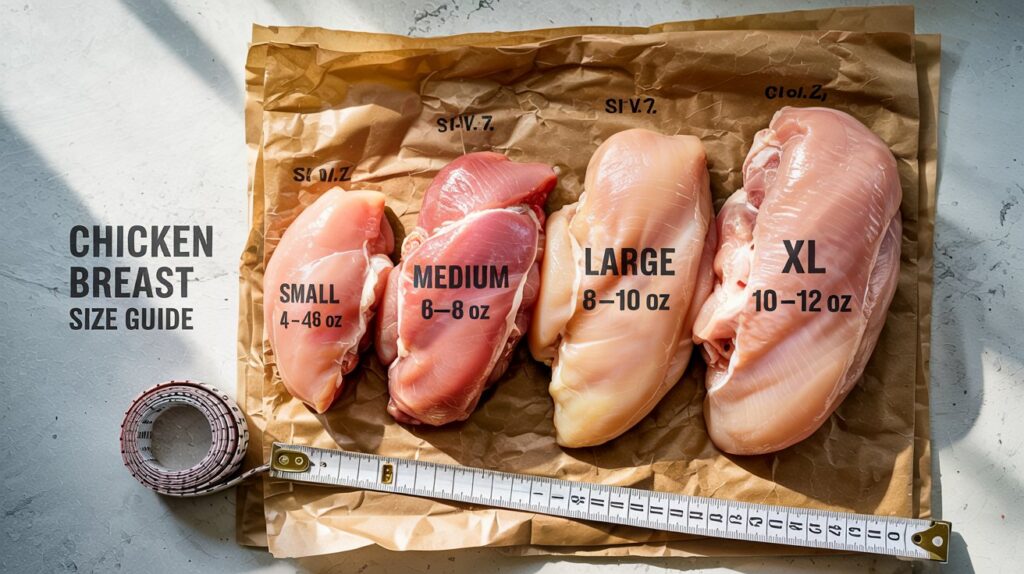
This section provides a detailed chart that outlines the weights, cooking times, and recommended portion sizes for chicken breasts. Understanding these measurements is essential for achieving perfectly cooked chicken every time, ensuring that your dishes are both delicious and safe to eat.
Weight Measurements
Chicken breasts vary significantly in size, which affects cooking times and portion sizes. Below is a quick reference for common weight categories:
- Small Chicken Breast: 4-6 ounces (113-170g)
- Medium Chicken Breast: 6-8 ounces (170-227g)
- Large Chicken Breast: 8-10 ounces (227-284g)
- Extra Large Chicken Breast: 10-12 ounces (284-340g)
? Chicken Breast Size & Cooking Chart
| Size | Weight | Thickness | Baking Time (375°F / 190°C) | Grill Time | Serves |
|---|---|---|---|---|---|
| Small | 4–6 oz (113–170g) | ~½ inch | 20–25 min | 5–6 min/side | 1 |
| Medium | 6–8 oz (170–227g) | ~¾ inch | 25–30 min | 6–8 min/side | 1 |
| Large | 8–10 oz (227–284g) | ~1 inch | 30–35 min | 8–10 min/side | 1–2 |
| Extra Large | 10–12 oz (284–340g) | 1+ inch | 35–40 min | 10–12 min/side | 2 |
Chef’s tip: Use a meat thermometer to ensure your chicken reaches 165°F (74°C) internally for safety and juiciness.
Always remember to let the chicken rest for a few minutes after cooking; this allows the juices to redistribute, keeping your chicken moist and flavorful.
Essential Cooking Equipment
To cook chicken breasts efficiently and achieve perfect results, having the right kitchen tools is crucial. This section outlines the essential cooking equipment you’ll need, along with some preparation items that will make your cooking experience smoother.
| Cutting Board | 1 | Choose a non-porous surface for easy cleaning. |
| Chef’s Knife | 1 (8-10 inches) | A sharp knife is key for clean cuts. |
| Meat Thermometer | 1 | Ensure chicken reaches an internal temperature of 165°F (74°C). |
| Skillet or Frying Pan | 1 (12 inches) | Use a heavy-bottomed pan for even cooking. |
| Baking Sheet | 1 | For oven-baking chicken; line with parchment for easy cleanup. |
| Measuring Cups | 1 set | For accurate measurement of liquids and solids. |
| Measuring Spoons | 1 set | For precise measurements of spices and oils. |
| Plastic Wrap or Zip-top Bags | 1 roll/bag | Useful for marinating chicken efficiently. |
- Pro Tip: Always have a clean workspace to minimize cross-contamination.
- Ensure all tools are sanitized before use, especially when handling raw chicken.
- Consider using a food processor for finely chopping herbs or other ingredients.
- Don’t overcrowd the pan; this helps in achieving a nice sear on the chicken.
Cooking Instructions by Size
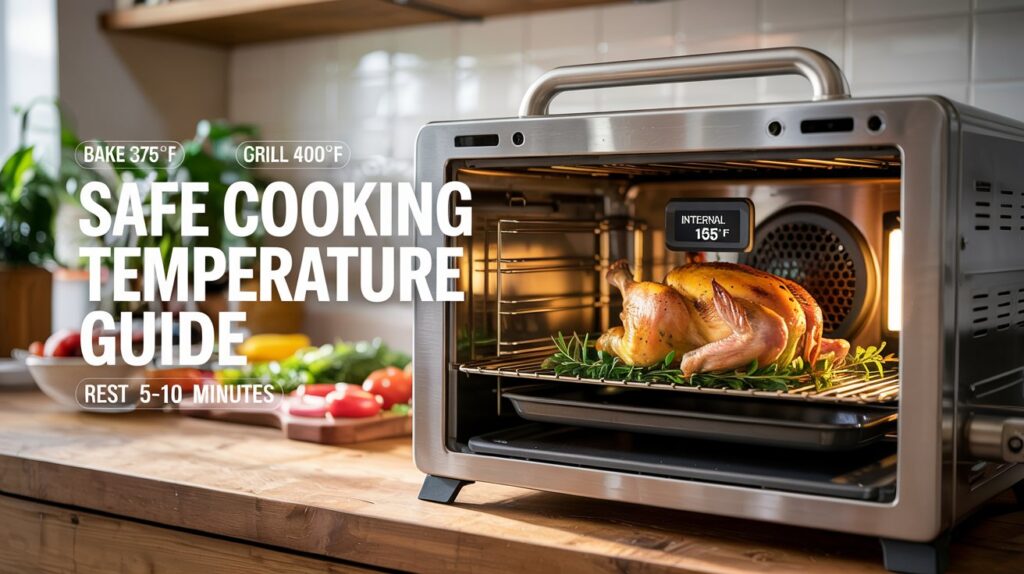
This section provides clear, step-by-step cooking instructions for chicken breasts based on their size. Knowing how to cook small, medium, and large chicken breasts properly ensures that your meals turn out juicy, flavorful, and perfectly cooked every time.
Small Chicken Breasts (4-6 ounces)
For small chicken breasts, preheat your oven to 375°F (190°C). Season the breasts with 1 teaspoon of salt, ½ teaspoon of pepper, and 1 tablespoon of olive oil. Bake for 20-25 minutes, or until the internal temperature reaches 165°F (74°C). The chicken should be tender and juicy, with a light golden color on the outside.
Medium Chicken Breasts (6-8 ounces)
Preheat your grill to medium-high heat, around 400°F (200°C). Rub the medium breasts with 2 tablespoons of olive oil and season with 1 teaspoon of garlic powder, 1 teaspoon of paprika, and salt and pepper to taste. Grill for 6-8 minutes per side, until the internal temperature reaches 165°F (74°C). The chicken should have nice grill marks and be firm to the touch.
Large Chicken Breasts (8-10 ounces)
For large chicken breasts, start by marinating them in a mixture of ¼ cup soy sauce, 2 tablespoons honey, and 1 tablespoon minced garlic for at least 30 minutes. Preheat your oven to 350°F (175°C). Bake for 30-35 minutes or until the internal temperature reaches 165°F (74°C). The chicken should be succulent, with a slightly caramelized exterior and a juicy interior.
Chef’s tip: Always let your chicken rest for 5-10 minutes after cooking. This helps retain moisture and improves flavor.
Pro Chef Tips
Achieving perfectly cooked chicken breasts is essential for both flavor and texture. This section focuses on avoiding dryness and checking doneness, ensuring your chicken is juicy and safe to eat.
Avoiding Dryness
Chicken breasts can easily become dry if overcooked. Here are some tips to keep them juicy:
- Brine the chicken: Soak in a solution of ¼ cup salt and 4 cups water for at least 30 minutes. This helps the meat retain moisture during cooking.
- Use a meat thermometer: Cook to an internal temperature of 165°F (74°C). This is the sweet spot for juicy chicken.
- Rest the chicken: After cooking, let the chicken rest for 5-10 minutes before slicing. This allows the juices to redistribute, preventing dryness.
Checking Doneness
To ensure your chicken is cooked through without cutting it open, follow these methods:
- Meat thermometer: Insert into the thickest part of the breast. If it reads 165°F (74°C), it’s done.
- Visual cues: The juices should run clear, not pink. The meat should be opaque and no longer shiny.
- Time guidelines: For a medium chicken breast (6-8 ounces), bake at 375°F (190°C) for about 25-30 minutes.
Chef’s tip: If you’re unsure, err on the side of undercooking slightly; you can always return it to the heat. Overcooked chicken is dry and tough!
Variations and Modifications
This section explores various cooking methods for chicken breasts and offers dietary substitutions to accommodate different preferences. Understanding these options can help you achieve the best flavor and texture, while also catering to any dietary needs you or your guests may have.
Cooking Methods
- Grilling: Preheat your grill to medium-high heat (about 400°F or 200°C). Marinate the chicken breasts in a mixture of 2 tablespoons olive oil, 1 tablespoon lemon juice, and your favorite herbs for at least 30 minutes. Grill each breast for 6-7 minutes per side, or until the internal temperature reaches 165°F (75°C). The chicken should have nice grill marks and a juicy texture.
- Baking: Preheat your oven to 375°F (190°C). Place seasoned chicken breasts on a baking sheet lined with parchment paper. Bake for 20-25 minutes until the juices run clear and the internal temperature hits 165°F (75°C). Expect a golden-brown exterior and moist interior.
- Pan-Seering: Heat 2 tablespoons of olive oil in a skillet over medium heat (about 350°F or 175°C). Sear the chicken breasts for 5-6 minutes on each side until golden brown, then reduce heat to low, cover, and cook for an additional 5-7 minutes. This method enhances flavor and keeps the chicken tender.
Dietary Alternatives
If you’re looking for alternatives due to dietary restrictions, here are some options:
- For gluten-free diets: Substitute any marinades or sauces with gluten-free versions. Most spices are safe, but check labels.
- For dairy-free diets: Use coconut milk or almond milk in place of dairy marinades.
- For a lower-carb option: Serve grilled or baked chicken over a bed of leafy greens instead of rice or pasta.
Chef’s tip: Always let your chicken rest for 5 minutes after cooking. This helps the juices redistribute, ensuring a moist and flavorful bite.
Serving Ideas
Serving chicken breasts with the right sides and sauces can elevate your meal from simple to sensational. Here are some practical ideas for plating and pairing that will complement various sizes of chicken breasts, ensuring a delightful dining experience.
Plating Techniques
- Start with a clean, warm plate. Place the chicken breast in the center, allowing it to rest for 5 minutes after cooking. This not only improves the texture but also helps the juices redistribute.
- Add a splash of color by garnishing with fresh herbs, such as chopped parsley or cilantro. This adds visual appeal and freshness. For a pop of color, consider adding a lemon wedge on the side for a zesty contrast.
- Consider creating a bed of sautéed spinach or creamy mashed potatoes as a base. This can enhance both the flavor and presentation. Use a ring mold for a neat presentation if you’re feeling fancy!
Side Dish Suggestions
- Vegetable Medley: Roast a mix of seasonal vegetables like bell peppers, zucchini, and carrots. Toss them in 2 tablespoons of olive oil, season with salt and pepper, and roast at 400°F (200°C) for 20-25 minutes until tender.
- Grains: Pair with 1 cup of quinoa or brown rice, cooked according to package instructions. These grains provide a hearty balance and can soak up any sauces beautifully.
- Salads: A crisp, refreshing arugula salad with cherry tomatoes, feta cheese, and a simple vinaigrette (1 tablespoon olive oil, 1 tablespoon balsamic vinegar, salt, and pepper) complements the savory chicken perfectly.
Chef’s tip: Always taste your sides before serving to ensure they balance well with the chicken’s flavors.
Quick Summary
| Prep Time | Cook Time | Total Time | Servings |
|---|---|---|---|
| 10 minutes | 20 minutes | 30 minutes | 4 servings |
- Measure accurately: Use a kitchen scale for precise chicken breast sizes.
- Uniform cooking: Pound thicker breasts to an even thickness for consistent cooking.
- Brine for moisture: Soak in a simple saltwater brine for at least 30 minutes.
- Check doneness: Use a meat thermometer; chicken should reach 165°F (75°C).
- Rest before slicing: Let chicken rest for 5-10 minutes for juiciness.
Frequently Asked Questions
Can I make this ahead of time? How to store and reheat?
You can prepare chicken breasts ahead of time by cooking them and then refrigerating in an airtight container for up to 3-4 days. To reheat, place them in a preheated oven at 350°F (175°C) for about 15-20 minutes until warmed through.
What can I substitute for [key ingredient]?
If you need to substitute for chicken breasts, you can use chicken thighs as they offer a similar flavor and texture, though they are generally juicier and cook a bit differently. Adjust your cooking times accordingly, as thighs may take a little longer.
How do I know when it’s done?
Your chicken breast is done when it reaches an internal temperature of 165°F (75°C), measured with a meat thermometer in the thickest part. The meat should be opaque and the juices should run clear when sliced.
Can I freeze this? How long does it last?
You can freeze cooked chicken breasts for up to 4-6 months for best quality. Make sure to wrap them tightly in plastic wrap and then place them in a freezer bag to prevent freezer burn.
Why did my chicken breast turn out dry?
Your chicken breast may have turned out dry if it was overcooked or cooked at too high a temperature; aim for medium heat and check for doneness early. Brining the chicken before cooking can also help retain moisture.
