
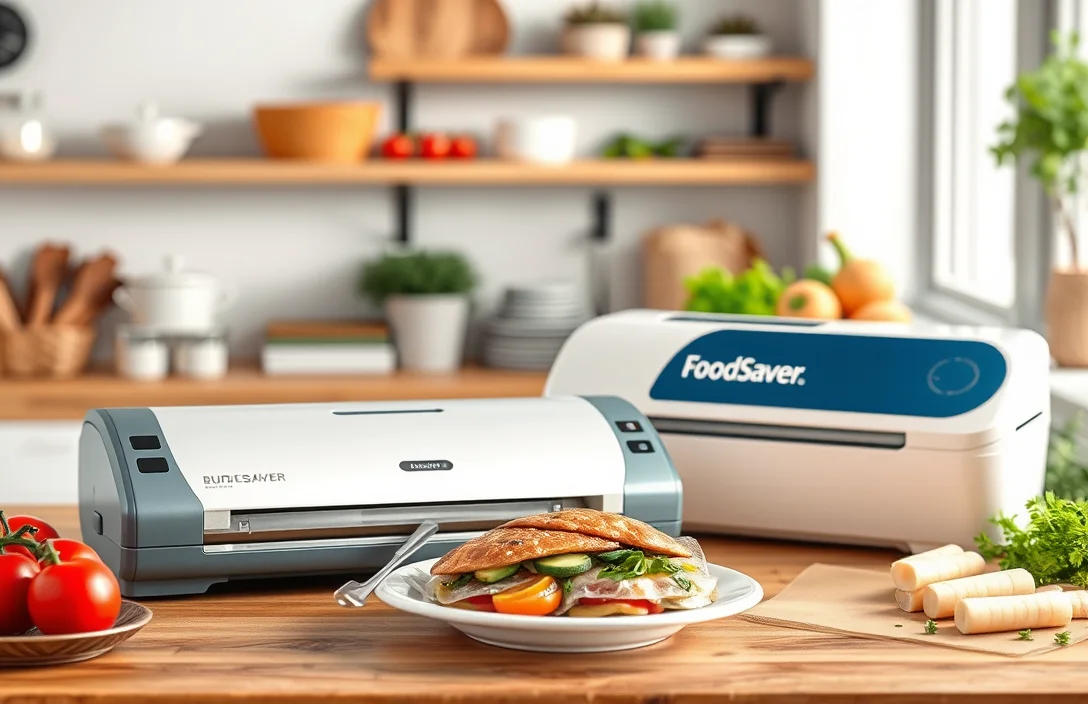
If you’re considering a vacuum sealer for your kitchen, understanding the right choice between a Chamber Vacuum Sealer and a FoodSaver model is crucial. These appliances can save you money by extending the life of your food and reducing waste, but each has its own strengths and weaknesses, making your decision important.
Chamber Vacuum Sealers typically cost between $300-$1,000, last about 10 years, and are more complex to fix. In contrast, FoodSaver models range from $50-$300, generally last 5-7 years, and are easier to repair. Knowing these details can help you avoid costly mistakes.
| Average Cost | Lifespan | Difficulty | When to Call a Pro |
|---|---|---|---|
| $300-$1,000 | 10 years | Moderate | Complex repairs |
| $50-$300 | 5-7 years | Easy | Replacement needed |
What are Vacuum Sealers?
Vacuum sealers are appliances designed to remove air from packaging, creating a sealed environment that helps preserve food. This section will define two types of vacuum sealers: Chamber Vacuum Sealers and FoodSaver models, highlighting their significance in maintaining food freshness and extending shelf life.
Chamber Vacuum Sealers
Chamber vacuum sealers operate by placing food inside a chamber where the air is removed, and the bag is sealed simultaneously. This method is effective for a variety of foods, including liquids and moist items, as it prevents liquid from being sucked into the machine.
- Pros:
- Better for liquids and moist foods
- More durable and suitable for heavy-duty use
- Can vacuum seal larger bags and multiple items at once
- Cons:
- Higher initial cost (typically $300-$1,500)
- Requires countertop space
FoodSaver Models
FoodSaver models are popular household vacuum sealers that utilize a simpler, more compact design. They work by removing air from specially designed bags and sealing them, making them suitable for everyday use in kitchens.
- Pros:
- More affordable (typically $80-$300)
- Compact and easy to store
- Great for dry foods and marinating
- Cons:
- Less effective for liquids
- May require more frequent bag replacement
Pro tip: A vacuum sealer can extend the shelf life of food by 3 to 5 times compared to conventional storage methods.
Mechanics of Vacuum Sealers
This section focuses on the operational mechanics of chamber vacuum sealers and FoodSaver models, highlighting their vacuum processes and sealing techniques. Understanding these differences is crucial for selecting the right sealer based on your food preservation needs.
Vacuum Process
- Chamber vacuum sealers operate by placing the food inside a chamber where both the food and the bag are enclosed. When the machine runs, air is sucked out of the entire chamber, which creates a vacuum around the bag and food, ensuring a more complete seal.
- FoodSaver models, on the other hand, typically use a suction process that draws air out of the bag directly. The bag is sealed at one end while the machine pulls air from the open end, which can sometimes leave air pockets in thicker or more irregularly shaped items.
Sealing Techniques
- Chamber vacuum sealers often use heat sealing that occurs after the vacuum process, allowing for a strong, consistent seal. This technique is advantageous for wet items like marinades, as it prevents liquid from being sucked into the machine.
- FoodSaver units generally employ a simpler heat sealing method that occurs during the vacuum process. While effective for dry goods, it may struggle with liquids, which can lead to messy leaks or insufficient seals.
Key Features to Consider
When choosing between a Chamber Vacuum Sealer and a FoodSaver, several key features can significantly influence your decision. Understanding these specifications will help you select a model that best suits your food preservation needs and lifestyle.
Vacuum Strength
Vacuum strength is crucial for effective sealing. Chamber vacuum sealers typically offer stronger vacuum power, making them ideal for liquid-rich foods and bulk items. FoodSaver models are designed for home use and provide adequate strength for most everyday tasks.
- Chamber Vacuum Sealer: Up to 99% vacuum level
- FoodSaver: Around 85-90% vacuum level
Versatility
Consider how you plan to use your vacuum sealer. Chamber models excel in sealing liquids and delicate items, while FoodSaver units are often more portable and user-friendly for everyday sealing tasks.
- Chamber Vacuum Sealer: Great for sous vide cooking, marinating, and bulk food storage
- FoodSaver: Best for meal prep, leftovers, and freezer storage
Ease of Cleaning
Cleaning your vacuum sealer regularly is essential for hygiene and longevity. Chamber models often have removable parts, making them easier to clean, while FoodSaver models may require more effort to ensure no food particles remain.
Price Comparison
Cost can vary widely between these two types of vacuum sealers. Below is a general price comparison:
| Feature | Budget | Mid-Range | Premium |
|---|---|---|---|
| Chamber Vacuum Sealer | $300-$500 | $500-$800 | $800+ |
| FoodSaver | $50-$100 | $100-$200 | $200+ |
Choosing the right vacuum sealer ultimately depends on your specific needs and budget. Whether you prefer the robust functionality of a chamber vacuum sealer or the convenience of a FoodSaver, understanding these key features will help you make an informed decision.
Setting Up Your Vacuum Sealer
Setting up your vacuum sealer correctly is crucial for achieving optimal performance, whether you choose a Chamber Vacuum Sealer or a FoodSaver. This section will guide you through the necessary tools and steps to ensure your appliance is ready for use.
- Gather Necessary Tools: For both types of vacuum sealers, you will typically need a flat, clean surface for setup, the vacuum sealer itself, vacuum bags compatible with your model, and possibly a roll of bag material for custom sizes. Ensure you have scissors handy for cutting bag material.
- Initial Setup for Chamber Vacuum Sealer: First, place the chamber vacuum sealer on a stable, level surface away from heat sources. Plug it into a grounded outlet, ensuring that the power cord is not pinched or damaged. Familiarize yourself with the control panel and settings, as chamber models often have customizable vacuum and seal times.
- Initial Setup for FoodSaver: Similar to the chamber model, place the FoodSaver on a flat surface and plug it in. Check that the vacuum sealer’s drip tray is correctly positioned and empty. Review the user manual for specific setup instructions regarding bag sizes and sealing functions, as these can vary between models.
- Load Vacuum Bags: For both sealers, cut or select the appropriate size of vacuum bags. For Chamber Vacuum Sealers, place the bags directly in the chamber, ensuring they sit flat. For FoodSaver, insert the open end of the bag into the sealing channel, following the model’s guidance for proper placement.
- Test the Sealer: Before sealing food, run a test with a dry item to check the vacuum and seal functionality. Monitor the process and make any necessary adjustments based on the results, such as vacuum time or seal time settings. This step ensures that your vacuum sealer is functioning correctly before you begin sealing food items.
Maintenance Tasks for Longevity
Proper maintenance is essential to ensure the longevity and efficiency of both Chamber Vacuum Sealers and FoodSaver models. Regular upkeep not only prolongs the lifespan of your appliance but also enhances its performance, preventing potential issues that could lead to costly repairs.
| Task | Frequency | Time Required |
|---|---|---|
| Clean the sealing bar | Weekly | 10 minutes |
| Inspect and replace gaskets | Monthly | 15 minutes |
| Check for leaks in vacuum chamber | Quarterly | 20 minutes |
| Deep clean internal components | Annually | 30 minutes |
For Chamber Vacuum Sealers, focus on cleaning the sealing bar weekly to maintain a tight seal. Monthly inspections of gaskets are crucial, as worn gaskets can lead to air leaks and spoilage. Quarterly checks for leaks in the vacuum chamber ensure optimal functionality, while a deep clean once a year removes any residue that may affect performance.
FoodSaver models require similar attention. Regular cleaning of the sealing area and checking filters can prevent clogs and ensure effective sealing. Both types of sealers benefit from following the manufacturer’s maintenance guidelines to avoid voiding warranties.
Common Problems and Solutions
When using a Chamber Vacuum Sealer or FoodSaver, users may encounter several common issues that can affect performance and food preservation. Understanding these problems and their solutions can help you make the most of your appliance, ensuring efficiency and longevity.
Problem 1: Poor Seal
A poor seal can lead to food spoilage and freezer burn. This may occur due to improper placement of the bag or a malfunctioning sealing element.
- Ensure the bag is clean and free of moisture.
- Check the sealing strip for damage and replace if necessary.
- Use appropriate bags designed for vacuum sealing.
Problem 2: Vacuum Failure
If the vacuum sealer fails to remove air, it may indicate a faulty pump or a blockage in the hose.
- Inspect the hose for cracks or clogs.
- Ensure the lid is properly closed.
- Check for any leaks around the sealing area.
Problem 3: Overheating
Overheating can be a problem, especially with prolonged use. This may automatically shut off the unit.
- Limit vacuuming to short sessions of 5-10 minutes.
- Allow the unit to cool down between uses.
Problem 4: Food Spoilage
Food spoilage can occur even with vacuum sealing if not done correctly.
- Avoid overfilling bags.
- Label and date your bags to keep track of storage times.
- Store sealed bags in appropriate conditions (freezer or refrigerator).
Problem 5: Bag Compatibility
Not all bags are suitable for vacuum sealing, which can lead to poor results.
- Use only bags recommended by the manufacturer.
- Check for compatibility specifications when purchasing bags.
Pro tip: Always ensure your bags are compatible with your specific sealer model to avoid issues.
Energy Efficiency Insights
Understanding the energy consumption of vacuum sealers is crucial for homeowners looking to save on utility bills while maximizing food preservation. This section will break down the cost of operation for Chamber Vacuum Sealers and FoodSaver models, along with practical tips to enhance their energy efficiency.
Cost of Operation
- The average Chamber Vacuum Sealer consumes around 100-200 watts during operation. If used for an hour each week, it may cost approximately $5-10 annually, depending on your local electricity rates.
- FoodSaver models typically use 50-120 watts. If used under similar conditions, the annual operating cost would be around $3-8. This makes them slightly more economical in terms of energy consumption.
Energy Saving Tips
- Use the vacuum sealer efficiently: Seal multiple items in one go to reduce the number of cycles you run, which saves energy and time.
- Seal in bulk: Plan your sealing sessions to coincide with meal prep. This reduces the frequency of use, ultimately lowering energy costs.
- Maintain your appliance: Regularly clean the sealing gaskets and vacuum chamber to ensure optimal performance. This can prevent energy loss and extend the lifespan of your appliance.
- Choose the right model: If energy efficiency is a priority, opt for models that have Energy Star ratings, which can save you 10-50% on energy costs compared to standard models.
User Recommendations
This section provides tailored recommendations for different user scenarios regarding Chamber Vacuum Sealers and FoodSaver models. Understanding your specific needs can help you choose the best option that saves you time and money.
For Home Cooks
If you frequently prepare and store meals, a FoodSaver is an excellent choice for its affordability and ease of use. However, if you often deal with liquids or delicate items, a Chamber Vacuum Sealer would be more suitable despite the higher initial investment.
- FoodSaver: Priced around $100-$200, ideal for everyday use.
- Chamber Vacuum Sealer: Costs $300-$600, perfect for sous-vide cooking and bulk storage.
For Hunters
Hunters who need to store large quantities of game meat should consider a Chamber Vacuum Sealer. It handles larger bags and provides superior sealing, which is crucial for long-term storage.
Consider investing in a Chamber Vacuum Sealer for its ability to preserve game meat up to 3-5 years in the freezer without freezer burn.
For Meal Preppers
Meal preppers benefit from both options, but the choice depends on volume and budget. If you prepare meals in bulk and require frequent sealing, the Chamber Vacuum Sealer is a long-term investment that pays off.
| Feature | FoodSaver | Chamber Vacuum Sealer |
|---|---|---|
| Price Range | $100-$200 | $300-$600 |
| Sealing Capability | Basic, good for dry items | Advanced, excellent for liquids |
| Seal Quality | Standard | Superior, long-term preservation |
Quick Summary
- Top 3 maintenance tasks: Clean sealing gaskets monthly; replace vacuum pump oil annually; check and replace filters every 6 months.
- Repair vs Replace: If repair costs exceed $100, consider replacement.
- Energy saving tip: Using a vacuum sealer can save up to $100 annually by reducing food waste.
- Safety checklist: Ensure proper sealing to avoid leaks; keep the device away from water; regularly inspect power cords for damage.
- Estimated costs: Chamber vacuum sealer: $300-$700; FoodSaver: $100-$300; typical repair: $75-$150; annual maintenance: $30-$50.
| Type | Cost |
|---|---|
| Chamber Vacuum Sealer | $300-$700 |
| FoodSaver | $100-$300 |
| Repair | $75-$150 |
| Annual Maintenance | $30-$50 |
Frequently Asked Questions
How long should a Chamber Vacuum Sealer or FoodSaver last?
A Chamber Vacuum Sealer typically lasts around 10-15 years with proper maintenance, while a FoodSaver may last about 5-7 years depending on usage.
Is it worth repairing my FoodSaver or should I buy a new one?
If repairs cost more than 50% of a new unit and your FoodSaver is over 5 years old, it’s usually better to invest in a new one.
How much does it cost to run a Chamber Vacuum Sealer or FoodSaver per month/year?
The energy cost to run these sealers is minimal, averaging around $1-$2 per month, depending on usage and energy rates in your area.
What brand is most reliable between Chamber Vacuum Sealers and FoodSaver?
The FoodSaver brand is highly regarded for home use, but for professional-grade reliability, VacMaster and Weston are excellent choices.
What maintenance should I be doing that I probably am not?
You should regularly clean the gaskets and vacuum chamber of both sealers and check for any wear on the vacuum bags to ensure optimal sealing performance.
