
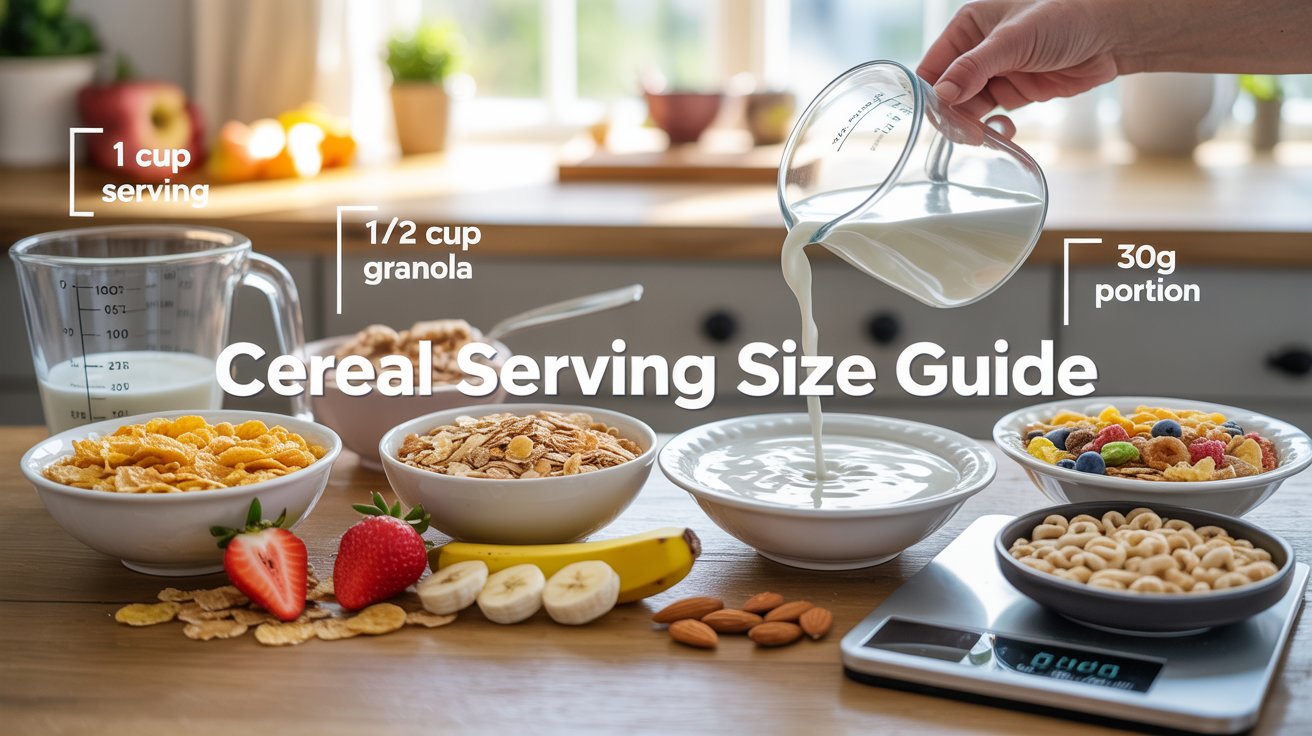
Cereal isn’t just breakfast; it’s a warm hug on a busy morning, a quick snack after school, or a late-night treat. There’s something special about pouring that first bowl, watching the milk swirl around, and knowing you’re about to enjoy a moment of comfort. Whether it’s crunchy, fruity, or chocolatey, finding the perfect serving size can elevate your experience.
In this guide, you’ll find exact serving sizes for various cereals, along with nutritional information and tips for precise measurements. Get ready for a hassle-free experience that fits your needs!
Importance of Serving Sizes
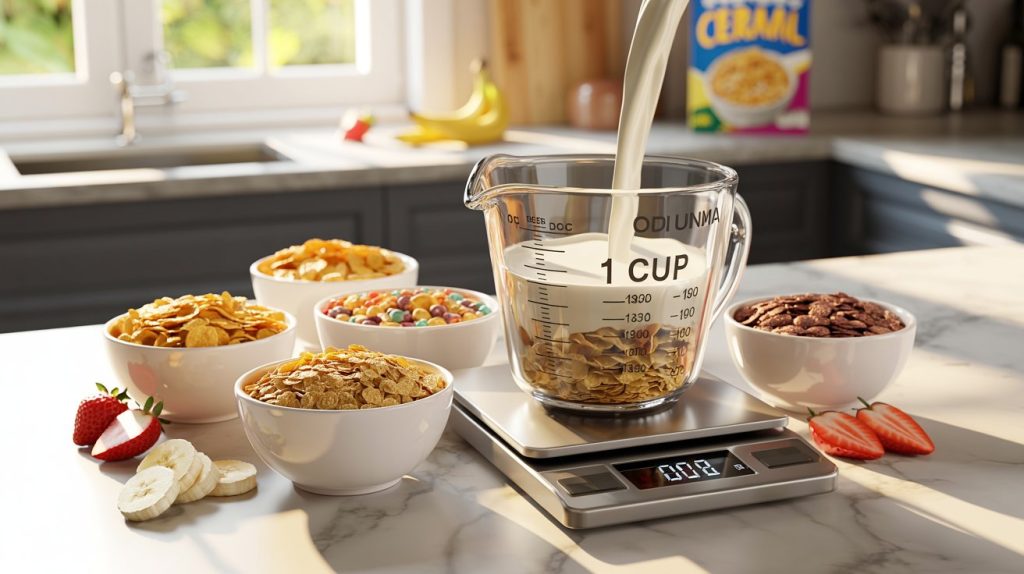
Understanding the importance of serving sizes is crucial for maintaining a balanced diet, especially when it comes to cereals, which can vary significantly in calorie and nutrient content. Accurate serving sizes help you manage portion control, ensuring you get the right amount of essential nutrients while avoiding excessive calorie intake.
- Portion Control: Knowing the recommended serving size helps prevent overeating, which is key for weight management.
- Nutritional Awareness: Different cereals provide varying levels of vitamins, minerals, and fiber. Being aware of serving sizes allows you to choose cereals that meet your nutritional needs.
- Consistent Energy Levels: Eating appropriate portions can help sustain your energy throughout the day, preventing spikes and crashes associated with high-sugar cereals.
When measuring cereal, it’s helpful to refer to the packaging for suggested serving sizes, typically found in weight (grams) or volume (cups). Here’s a quick reference table for common cereals:
Cereal Serving Size Chart
| Cereal Type | Serving Size | Weight |
|---|---|---|
| Cornflakes | 1 cup | ~30 g |
| Oatmeal (dry) | ½ cup | ~40 g |
| Granola | ½ cup | ~60 g |
| Muesli | ½ cup | ~45 g |
| Puffed cereal | 1 cup | ~25 g |
| Bran flakes | 1 cup | ~30 g |
✔ Typical cereal serving: 30–45 g (about 1 cup)
Chef’s tip: Use a kitchen scale for the most accurate measurements, especially when dealing with different cereal types.
By paying attention to serving sizes, you can enjoy your cereal while staying mindful of your overall health and wellness goals.
Common Cereal Types
Understanding the serving sizes for different types of cereals helps you maintain a balanced diet while enjoying your favorite breakfast. Each type of cereal has its own recommended portion size, which can vary based on its ingredients and nutritional content. Here’s a breakdown of some common cereals and their typical serving sizes.
Oatmeal
- Recommended Serving Size: ½ cup (40g) dry oats
- Nutritional Info: Approximately 150 calories, 5g protein, 3g fat, 27g carbohydrates
Cook oatmeal in a saucepan with 1 cup of water or milk over medium heat until it simmers, stirring occasionally. It should take about 5-7 minutes to reach a creamy consistency.
Cornflakes
- Recommended Serving Size: 1 cup (30g)
- Nutritional Info: Approximately 100 calories, 2g protein, 0.5g fat, 24g carbohydrates
Cornflakes should be served with ½ cup of milk to enhance flavor and texture. They should be crunchy but not soggy, so enjoy them immediately after pouring.
Granola
- Recommended Serving Size: ¼ cup (30g)
- Nutritional Info: Approximately 120 calories, 3g protein, 5g fat, 18g carbohydrates
Granola can be enjoyed with yogurt or milk. It should feel crunchy and slightly sticky due to the honey or syrup used in the recipe.
Muesli
- Recommended Serving Size: ½ cup (45g)
- Nutritional Info: Approximately 150 calories, 5g protein, 5g fat, 25g carbohydrates
Muesli is often soaked overnight in milk or yogurt for a softer texture. It should be moist but still have some chewiness from the oats and nuts.
Pro tip: To accurately measure your cereal, use a kitchen scale for dry ingredients, ensuring you stick to the recommended serving sizes for better portion control.
Serving Size Measurements
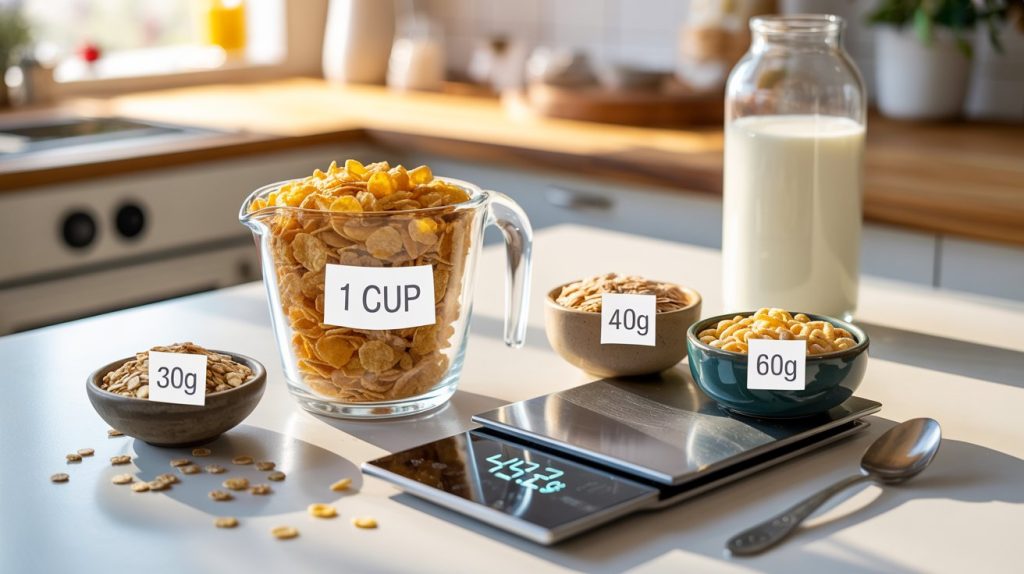
Understanding the right serving size for cereal is essential for both nutrition and portion control. This section provides specific measurements in cups and grams to help you accurately gauge your servings, along with recommendations for different types of cereals.
Cups and Grams
- Most cereals recommend a standard serving size of about 1 cup (approximately 30-50g), depending on the type.
- For a more precise measure, 1 cup of dry cereal typically weighs around 30-40 grams.
- Granola cereals often have a higher density; a serving can weigh up to 60 grams for 1 cup.
Recommended Serving Size
| Flakes (e.g., Corn Flakes) | 1 cup | 30g |
| Oatmeal (dry) | 1/2 cup | 40g |
| Granola | 1/2 cup | 60g |
| Puffed Cereals | 1 cup | 25g |
Chef’s tip: Use a kitchen scale for the most accurate measurement, especially if you’re tracking your nutritional intake.
When measuring cereal, be cautious not to pack the cereal down in the measuring cup, as this can lead to larger serving sizes than intended. A light fluffing before scooping ensures you get an accurate portion.
Nutritional Breakdown
This section highlights the nutritional information regarding common cereals based on standard serving sizes. Understanding the calories, fiber content, and sugar levels in your cereal can help you make informed choices for a balanced breakfast.
Calories
Calories in cereal can vary significantly depending on the type. Here’s a quick comparison of common cereals:
| Oatmeal (instant) | 1 packet (28g) | 100 |
| Granola | 1/4 cup (30g) | 150 |
| Rice Cereal | 1 cup (30g) | 120 |
| Cornflakes | 1 cup (30g) | 100 |
Fiber Content
- Oatmeal: 4g of fiber per serving
- Granola: 3g of fiber per serving
- Rice Cereal: 0.5g of fiber per serving
- Cornflakes: 1g of fiber per serving
Sugar Levels
Be cautious with sugar content, as many cereals can be surprisingly high in added sugars:
- Oatmeal: 0g of sugar
- Granola: 8g of sugar
- Rice Cereal: 4g of sugar
- Cornflakes: 2g of sugar
Chef’s tip: Always check the nutrition label to compare cereals; even those that appear similar can have vastly different nutritional profiles.
Visual Aids for Serving Sizes
Understanding proper serving sizes for cereal is crucial for maintaining a balanced diet without overindulging. Visual aids, like charts and images, can help you grasp what a standard serving looks like, making it easier to measure and enjoy your breakfast without the guesswork.
Serving Size Charts
Here’s a handy chart that outlines standard serving sizes for various cereals, which can help you accurately portion your breakfast:
| Flaked Cereals (e.g., Corn Flakes) | 1 cup (30g) | 8 ounces (240ml) |
| Puffed Cereals (e.g., Rice Puffs) | 1 ½ cups (45g) | 12 ounces (360ml) |
| Granola | ½ cup (60g) | 4 ounces (120ml) |
| Oatmeal (cooked) | 1 cup (240ml) | 8 ounces (240ml) |
Visual Examples
To help visualize these serving sizes, consider the following:
- A standard serving of flaked cereal should fill a small bowl to the top, typically around 1 cup.
- Puffed cereals tend to take up more space, so a serving will look like a fluffy mound in your bowl.
- Granola will appear denser and should be measured out to about ½ cup for proper serving.
Chef’s tip: Use a kitchen scale for the most accurate measurements, especially with cereals that can easily vary in density!
Accurate Measuring Tips
Measuring cereal servings accurately is crucial for maintaining portion control and ensuring you get the right balance of nutrients. Here are practical tips to help you measure servings without the guesswork.
- Using Measuring Cups: Always use a standard measuring cup for your cereal servings. A typical serving size is often 1 cup (about 30g for many dry cereals). Pour the cereal into the measuring cup until it is heaped slightly over the rim, then level it off with a straight edge for accuracy.
- Avoiding Overfilling: It’s easy to pour too much cereal if you’re not careful. To avoid overfilling, pour slowly and gently shake the measuring cup to settle the cereal into place. If you notice it overflowing, use a spoon to remove the excess until you reach the right measurement.
Chef’s tip: If you’re switching between different types of cereals, remember that serving sizes can vary widely. Always check the nutrition label for specific serving recommendations.
Cereal Pairing Suggestions
Pairing your cereal with complementary ingredients not only enhances the flavor but also boosts its nutritional profile. By adding fruits, dairy alternatives, and nuts or seeds, you can create a balanced breakfast that keeps you satisfied throughout the morning.
Fruits
Fresh or dried fruits can add natural sweetness and a variety of vitamins. Here are some popular options:
- 1 medium banana, sliced
- ½ cup of mixed berries (strawberries, blueberries, raspberries)
- ¼ cup of raisins or dried cranberries
Chef’s tip: For added flavor, try roasting your fruits at 350°F (175°C) for 10-15 minutes until caramelized.
Dairy Alternatives
If you’re looking for lighter alternatives, consider using dairy substitutes to pour over your cereal:
- 1 cup almond milk
- 1 cup oat milk
- 1 cup coconut yogurt
These options can provide creaminess and flavor without the lactose. Make sure to choose unsweetened versions to avoid extra sugars.
Nuts and Seeds
Adding a handful of nuts or seeds not only provides a satisfying crunch but also healthy fats and protein. Recommended amounts include:
- 2 tablespoons sliced almonds
- 2 tablespoons chia seeds
- 2 tablespoons sunflower seeds
| Ingredient | Serving Size | Calories |
|---|---|---|
| Sliced Almonds | 2 tbsp | 100 |
| Chia Seeds | 2 tbsp | 120 |
| Sunflower Seeds | 2 tbsp | 120 |
Mixing and matching these ingredients not only provides variety but ensures you’re getting a balanced meal. If you’re allergic to nuts, consider using pumpkin seeds as a great alternative.
Quick Summary
| Prep Time | Cook Time | Total Time | Servings |
|---|---|---|---|
| 5 minutes | 0 minutes | 5 minutes | 1 |
- Measure Correctly: Use a standard measuring cup for accurate serving size, typically 1 cup.
- Read Labels: Check the serving size on the cereal box; it varies by brand.
- Portion Control: Consider using a kitchen scale for precise measurements (28g is often a serving).
- Pair Wisely: Balance your cereal with fruits or nuts for added nutrition.
- Stay Consistent: Stick to the recommended serving size to manage calorie intake.
Frequently Asked Questions
Can I make this ahead of time? How to store and reheat?
You can prepare your cereal servings ahead of time by measuring out the dry ingredients and storing them in an airtight container. Just add milk or your choice of liquid when you’re ready to eat!
What can I substitute for the key ingredient?
If you don’t have your preferred cereal, you can substitute with rolled oats or granola, as they provide a similar texture. Just adjust the serving size based on the calorie content of the new choice.
How do I know when it’s done?
For cereal, you’ll know it’s ready when it’s mixed with your liquid and has absorbed some moisture but still retains a bit of crunch, usually taking about 2-5 minutes depending on the type. Keep an eye on the texture to match your personal preference.
Can I freeze this? How long does it last?
You can freeze dry cereal, but it’s best consumed fresh as freezing can affect the texture; it lasts up to 6 months in the freezer. Just ensure it’s in a sealed bag to prevent freezer burn.
What if I don’t have a measuring cup?
If you don’t have a measuring cup, you can use common kitchen items like a mug or a small bowl; a standard coffee mug typically holds about 8 ounces. Just be consistent with your chosen vessel to maintain portion sizes.
