
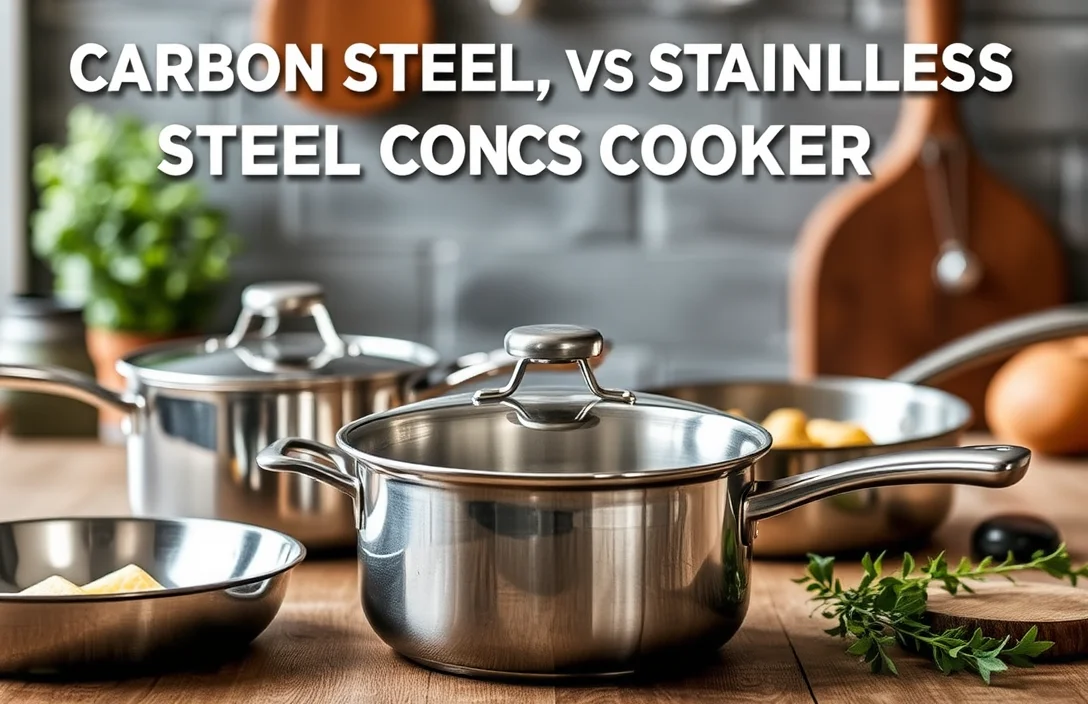
If you’re considering new cookware, understanding the differences between carbon steel and stainless steel can save you money and enhance your cooking experience. Both materials have unique benefits and drawbacks, impacting everything from energy efficiency to maintenance costs. Choosing the right one can make meal prep easier and more enjoyable.
Carbon steel cookware typically costs around $30 to $150 and lasts about 20 years with proper care, while stainless steel ranges from $50 to $300 but can last a lifetime. Difficulty in maintenance varies, with carbon steel needing seasoning, while stainless is dishwasher-safe.
| Average Cost | Lifespan | Difficulty | When to Call a Pro |
|---|---|---|---|
| $30 – $150 | 20 years | Moderate | Rarely |
| $50 – $300 | Lifetime | Easy | Rarely |
What is Carbon Steel Cookware
Carbon steel cookware is a versatile option in the kitchen, prized for its ability to conduct heat evenly and develop a natural non-stick surface over time. Understanding its characteristics is essential for homeowners looking to make informed decisions about their cooking tools.
Material Composition
Carbon steel is primarily made from iron with a small percentage of carbon, typically between 0.5% to 1.5%. This composition results in a durable and strong material that is lighter than cast iron yet retains similar heat retention properties. Here are key features of carbon steel:
- High heat resistance
- Quick to heat up
- Responsive to temperature changes
- Develops a natural non-stick surface with seasoning
Common Uses
Carbon steel cookware is favored by both professional chefs and home cooks for various cooking methods. Its common uses include:
- Searing meats
- Stir-frying vegetables
- Cooking pancakes and crepes
- Baking in the oven
Pro tip: Regular seasoning of carbon steel cookware can extend its lifespan and maintain its non-stick properties.
Overall, carbon steel cookware offers an excellent balance of performance and durability, making it a worthy contender against stainless steel in any kitchen.
What is Stainless Steel Cookware
This section defines stainless steel cookware and highlights its key characteristics and common uses. Understanding these aspects is essential for homeowners to make informed decisions when comparing it to carbon steel cookware.
Material Composition
Stainless steel cookware is primarily made from iron, carbon, and chromium. The addition of chromium, typically at least 10.5%, provides corrosion resistance and enhances durability. Some stainless steel cookware also includes nickel and molybdenum for improved performance and resistance to rust.
- Durability: Resistant to rust, stains, and scratches.
- Non-reactive: Safe for cooking acidic foods without leaching chemicals.
- Heat Distribution: Often features an aluminum or copper core for better heat conduction.
Common Uses
Stainless steel cookware is versatile and suitable for various cooking techniques. Here are some popular applications:
- Searing meats and browning vegetables
- Simmering sauces and soups
- Boiling pasta and steaming vegetables
- Baking in the oven (depending on the specific cookware)
Pro tip: Stainless steel cookware can handle high heat, making it great for quick searing and browning without risk of damage.
With proper care, stainless steel cookware can last for decades, making it a long-term investment for any kitchen.
Pros of Carbon Steel Cookware
Carbon steel cookware offers several distinct advantages that make it a popular choice among home cooks. Understanding these benefits can help you make an informed decision when comparing it to stainless steel options.
Heat Retention
One of the standout features of carbon steel cookware is its excellent heat retention. This means that once heated, the cookware maintains its temperature, allowing for even cooking. Here are some key points:
- Heats up quickly, reducing cooking time.
- Even heat distribution minimizes hot spots and ensures consistent results.
- Ideal for high-heat cooking methods such as searing and stir-frying.
Versatility
Carbon steel is incredibly versatile, making it suitable for various cooking methods. Whether you’re sautéing, frying, or baking, this material can handle it all. Consider the following:
- Oven-safe up to 1200°F, making it perfect for both stovetop and oven use.
- Compatible with all heat sources, including induction.
- Can develop a natural non-stick surface over time with proper seasoning.
Pro tip: Season your carbon steel cookware regularly to maintain its non-stick properties and prevent rust.
| Feature | Carbon Steel | Stainless Steel |
|---|---|---|
| Heat Retention | Excellent | Good |
| Versatility | High | Moderate |
| Weight | Medium | Light |
Overall, carbon steel cookware stands out for its superior heat retention and versatility, making it a valuable addition to any kitchen. Understanding these advantages can help you decide if it’s the right choice for your cooking needs.
Cons of Carbon Steel Cookware
While carbon steel cookware offers excellent heat conduction and durability, it comes with notable disadvantages that can affect your cooking experience and maintenance routine. Understanding these cons is essential for making an informed decision about your cookware choice.
Maintenance Needs
One of the significant drawbacks of carbon steel cookware is its maintenance requirements. Unlike stainless steel, which is generally easier to care for, carbon steel requires regular seasoning to maintain its non-stick properties and prevent food from sticking. This can be time-consuming and may deter some users.
- Seasoning frequency: Every few uses, or more often if cooking acidic foods.
- Cleaning method: Avoid soap and use hot water with a non-abrasive scrubber.
- Drying: Must be dried immediately after washing to prevent moisture retention.
Rust Potential
Another critical issue with carbon steel cookware is its susceptibility to rust. If not properly maintained, these pans can develop rust spots, which not only affect the cookware’s appearance but also its safety for food preparation.
Pro tip: Always store your carbon steel cookware in a dry place and apply a thin layer of oil after cleaning to prevent rust.
| Maintenance Task | Frequency | Time Required |
|---|---|---|
| Seasoning | Every few uses | 20-30 minutes |
| Washing | After each use | 5-10 minutes |
| Drying | After washing | 1-2 minutes |
Considering these factors can help you weigh the pros and cons of carbon steel cookware effectively, ensuring that you choose the right option for your cooking style and maintenance preferences.
Pros of Stainless Steel Cookware
Stainless steel cookware is a popular choice among home cooks due to its exceptional durability and non-reactive surface. Understanding these advantages can help you make an informed decision when comparing it with carbon steel options.
Durability
One of the standout features of stainless steel cookware is its impressive durability. Unlike carbon steel, which can warp and rust if not properly maintained, stainless steel resists corrosion and staining. This longevity means you won’t need to replace your cookware frequently, saving you money in the long run.
- Resistant to scratches and dents
- Can withstand high temperatures without warping
- Typically lasts 30 years or more with proper care
Non-Reactive Surface
Another significant advantage of stainless steel is its non-reactive surface, which ensures that no metallic taste leaches into your food. This characteristic is essential when cooking acidic foods like tomatoes or vinegar-based sauces, as it preserves the flavors without alteration.
Pro tip: Use stainless steel for acidic dishes to maintain the integrity of flavors.
| Feature | Stainless Steel | Carbon Steel |
|---|---|---|
| Durability | 30+ years | 10-15 years |
| Reactivity | Non-reactive | Reactive |
| Maintenance | Low | Moderate to High |
With these advantages, stainless steel cookware remains a reliable option for those looking to invest in quality kitchen tools that will last and perform well across various cooking styles.
Cons of Stainless Steel Cookware
While stainless steel cookware is often celebrated for its durability and aesthetic appeal, there are notable disadvantages to consider. These drawbacks can impact cooking performance and overall cost-effectiveness, making it essential for homeowners to weigh their options carefully.
Heat Conductivity
Stainless steel is not as effective in conducting heat compared to carbon steel or aluminum. This can lead to uneven cooking and hot spots, which may require longer cooking times and additional energy usage. Here are some specific points to consider:
- Heat distribution is often inconsistent, especially if using thin-gauge stainless steel.
- Cookware may require higher heat settings to achieve desired results, increasing energy consumption.
- Food can stick more readily if not properly preheated or oiled, leading to additional cleanup time.
Price Point
The initial investment for stainless steel cookware can be significantly higher compared to carbon steel options. The cost factors to keep in mind include:
- High-quality stainless steel cookware typically ranges from $100 to $500 per piece, depending on brand and features.
- Replacement costs can add up if the cookware does not last as long as expected; average lifespan estimates range from 10 to 15 years with proper care.
- Professional repair of cookware is often not an option, making it a one-time purchase rather than a lasting investment.
Pro tip: Always consider your cooking habits and the types of meals you frequently prepare to determine if the investment in stainless steel cookware aligns with your culinary needs.
Cooking Scenarios for Each Material
Understanding the best cooking scenarios for carbon steel and stainless steel cookware can greatly enhance your culinary experience. Each material shines in different cooking techniques, making it essential to choose the right one for specific tasks like frying, searing, or sauce making.
Frying and Searing
When it comes to frying and searing, carbon steel is often the preferred choice due to its superior heat retention and ability to develop a natural non-stick surface when seasoned properly. Here are some benefits:
- Heat Distribution: Carbon steel heats up quickly and evenly, ideal for searing meats.
- Flavor Development: The seasoning surface enhances flavor, especially in stir-fries and sautéed dishes.
Stainless steel, while not as effective for high-heat searing, has its advantages:
- Non-reactive Surface: Great for cooking acidic foods without altering flavors.
- Durability: Resistant to scratches and dents, suitable for everyday use.
Sauce Making
For making sauces, stainless steel cookware excels due to its non-reactive nature, which is essential for preserving the delicate flavors of ingredients.
| Material | Best Use | Pros | Cons |
|---|---|---|---|
| Carbon Steel | Frying/Searing | Excellent heat retention, enhances flavor | Requires seasoning, can rust if not maintained |
| Stainless Steel | Sauce Making | Non-reactive, highly durable | Poor heat retention, can stick without proper technique |
Choosing the right material for your cooking scenario can make a substantial difference in both the process and the outcome of your dishes. Always consider your cooking style and the specific requirements of each dish.
Maintenance Tips for Both Cookware Types
Proper maintenance is crucial for extending the lifespan and performance of both carbon steel and stainless steel cookware. By following these guidelines, you can keep your pots and pans in optimal condition, ensuring they serve you well for years to come.
Cleaning Techniques
- Carbon Steel Cookware: After each use, allow the pan to cool slightly, then rinse it with hot water. Avoid using soap unless absolutely necessary, as it can strip the seasoning. Use a soft sponge or cloth to wipe away food residues.
- Stainless Steel Cookware: Clean stainless steel with warm soapy water and a non-abrasive sponge. For tough stains, a mixture of vinegar and baking soda can be effective. Always dry thoroughly to prevent water spots and maintain shine.
- Storage: Store both cookware types in a dry place. For carbon steel, consider placing a paper towel between pans to prevent scratches and maintain seasoning. Stainless steel can be stacked, but avoid nesting them without protection.
Seasoning Carbon Steel
- Initial Seasoning: Before first use, heat the pan until hot, apply a thin layer of high smoke point oil (like flaxseed or canola), and bake it upside down in the oven at 400°F for about an hour. This creates a non-stick surface.
- Regular Seasoning: To maintain the seasoning, apply a light coat of oil after each wash. Heat the pan on low until the oil begins to smoke slightly, then let it cool before storing.
- Restoration: If the seasoning becomes damaged, scrub the pan with a fine steel wool pad, wash it, dry thoroughly, and repeat the initial seasoning process to restore the non-stick surface.
Quick Summary
- Top 3 maintenance tasks: Season carbon steel every 3-6 months; hand wash stainless steel after each use; avoid abrasive cleaners on both types.
- Repair vs Replace: Consider replacing if repair costs exceed $50 for carbon steel or $75 for stainless steel.
- Energy saving tip: Use the right size burner; saves about $30 annually on energy bills.
- Safety checklist: Ensure handles are secure; avoid overheating; store in a dry place; check for rust regularly.
- Estimated costs: New carbon steel: $30-$100; new stainless steel: $50-$300; annual maintenance: $5-$15.
| Cookware Type | Buy Cost | Repair Cost | Annual Maintenance |
|---|---|---|---|
| Carbon Steel | $30-$100 | $50 | $5-$10 |
| Stainless Steel | $50-$300 | $75 | $10-$15 |
Frequently Asked Questions
How long should carbon steel and stainless steel cookware last?
Carbon steel cookware can last up to 50 years with proper care, while stainless steel typically lasts 20 to 30 years. Both materials can be long-lasting investments if maintained well.
Is it worth repairing damaged cookware or should I buy new?
If your carbon steel pan is warped or has a few scratches, you can usually restore it with seasoning; however, for significant damage, it might be better to invest in a new piece. In contrast, stainless steel cookware is often more durable and may not require repairs unless there are major dents or structural issues.
How much does it cost to run a kitchen using these cookware types per month/year?
The energy cost difference is minimal, but using stainless steel may slightly increase cooking efficiency, saving you about $10-$15 annually in energy costs. In contrast, carbon steel requires more oil and care, potentially adding a few dollars more to your cooking expenses.
What brand is most reliable for carbon and stainless steel cookware?
Brands like All-Clad for stainless steel and Matfer Bourgeat for carbon steel are highly regarded for their durability and performance. Investing in these brands often ensures a reliable cooking experience and longevity.
What maintenance should I be doing that I probably am not?
For carbon steel, you should be seasoning it regularly to prevent rust, ideally every few months, while stainless steel benefits from a thorough cleaning with a gentle abrasive every few uses. Neglecting these maintenance tasks can lead to deterioration and impact cooking performance.
