
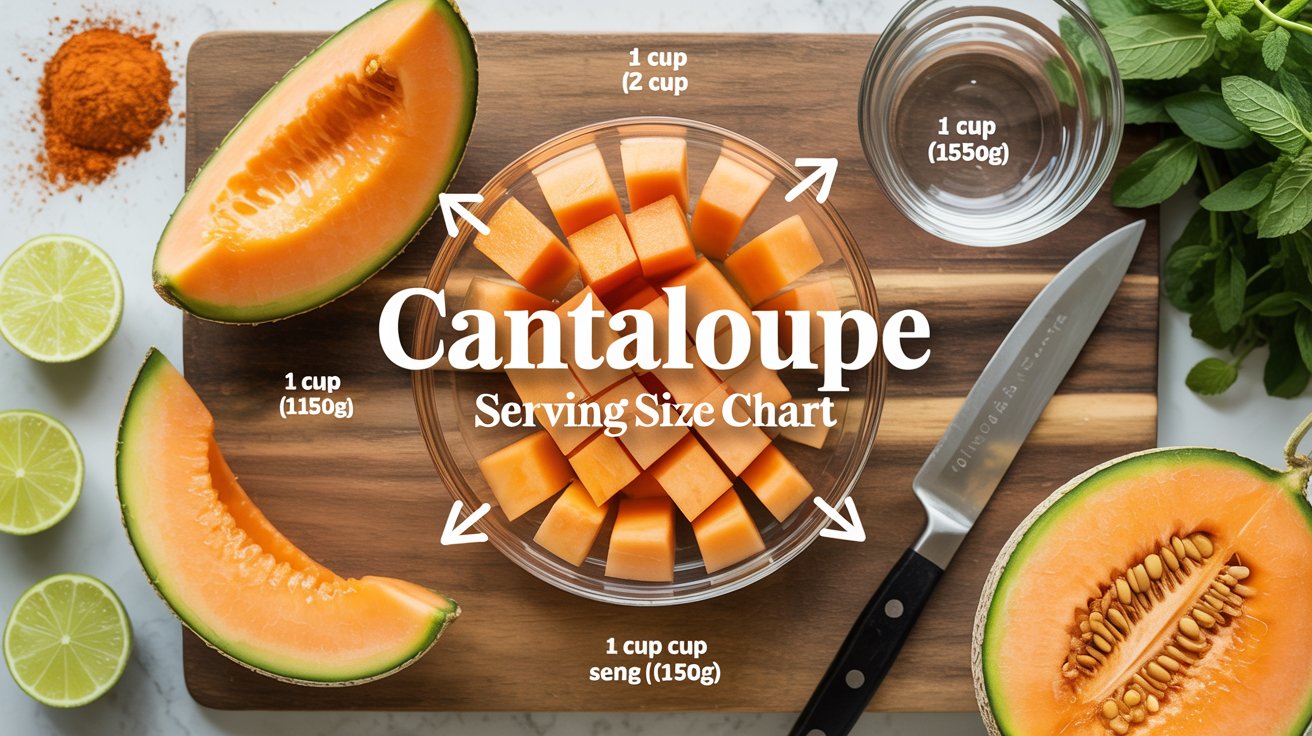
Cantaloupe is one of those fruits that brings sunshine to your kitchen, whether you’re slicing it up for breakfast or tossing it into a refreshing salad. Its sweet, juicy flesh is not only delicious but also packed with nutrients, making it a fantastic choice for any meal. Just wait until you taste it paired with a sprinkle of lime juice or a dash of chili powder!
In this guide, you’ll discover the standard serving size of cantaloupe, along with its nutritional information, practical tips on cutting and storing, and easy ways to incorporate it into your meals. You’ll be ready to serve up this delightful fruit in no time!
Cantaloupe Serving Size Defined
Understanding the standard serving size of cantaloupe is essential for enjoying this refreshing fruit while managing your dietary intake. A proper serving helps you gauge nutritional value and incorporate cantaloupe into meals or snacks effectively.
Standard Serving Size
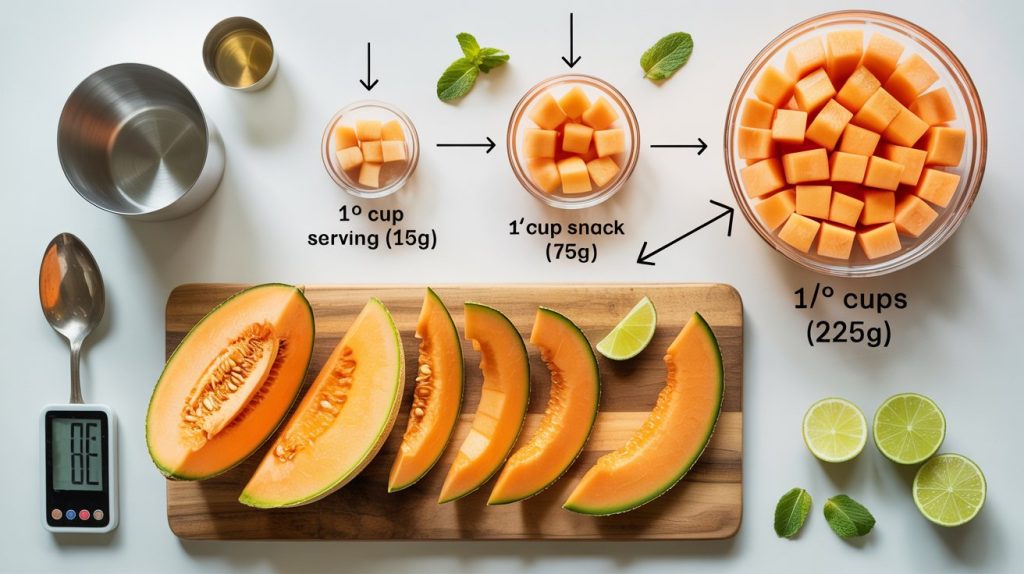
The typical serving size for cantaloupe is about 1 cup of diced fruit, which is approximately 150 grams. This amount provides a satisfying portion while allowing you to enjoy its sweet, juicy flavor.
- 1 cup diced cantaloupe (150g)
- Calories: Approximately 53 calories
- Carbohydrates: 13 grams
- Fiber: 1.4 grams
- Sugars: 12 grams
- Protein: 1.3 grams
| Portion | Measurement | Weight |
|---|---|---|
| Small snack | ½ cup diced | ~75 g |
| Standard serving | 1 cup diced | ~150 g |
| Large serving | 1½ cups diced | ~225 g |
| Whole cantaloupe | 1 medium melon | ~1.5–2 kg |
✔ Recommended serving: 1 cup diced cantaloupe (150 g)
Practical Serving Suggestions
Incorporating cantaloupe into your meals can be both delicious and versatile. Here are some ideas:
- Mix diced cantaloupe with other fruits for a refreshing fruit salad.
- Blend into smoothies for a sweet and nutritious breakfast or snack.
- Serve alongside prosciutto for a savory-sweet appetizer.
Chef’s tip: When selecting cantaloupe, look for a fruit that feels heavy for its size and has a sweet aroma at the stem end. This indicates ripeness and flavor.
Nutritional Breakdown per Serving
Understanding the nutritional content of cantaloupe is essential for making informed choices about your diet. A typical serving size of cantaloupe is around 1 cup (approximately 177 grams) of diced fruit, and it packs a refreshing punch of vitamins and hydration.
| Nutrient | Amount per Serving |
|---|---|
| Calories | 53 |
| Carbohydrates | 13.5g |
| Fiber | 1.4g |
| Sugars | 12g |
| Protein | 1.3g |
| Fat | 0.3g |
| Vitamin A | 299% DV |
| Vitamin C | 89% DV |
| Potassium | 427mg |
Cantaloupe is not only low in calories but is also rich in vitamins A and C, which support immune function and skin health. It’s hydrating, making it a perfect choice for hot summer days or as a refreshing snack.
Chef’s tip: Pair cantaloupe with a sprinkle of lime juice and a dash of salt to enhance its sweetness and flavor.
When enjoying cantaloupe, remember that it’s best consumed fresh to retain its nutrients. If you’re looking for ways to incorporate it into meals, consider adding it to fruit salads, smoothies, or even savory dishes like salads with prosciutto.
How to Cut Cantaloupe

Cutting cantaloupe properly not only makes for an appealing presentation but also ensures you get the most out of this delicious fruit. In this section, I’ll guide you through the necessary tools and the best cutting techniques to make serving sizes manageable and enjoyable.
- Gather Your Tools: You will need a sharp chef’s knife, a sturdy cutting board, and a melon baller or spoon for scooping. Ensure your knife is sharp to avoid squishing the fruit, which can make cutting more difficult.
- Wash the Cantaloupe: Rinse the cantaloupe under cool running water to remove any dirt or bacteria from the skin. Use a vegetable brush to scrub the surface gently, then dry it with a clean towel.
- Cut the Cantaloupe in Half: Place the cantaloupe on the cutting board. With your chef’s knife, slice through the center from stem to blossom end to create two equal halves. Make sure the cut is clean and even, revealing the seeds inside.
- Scoop Out the Seeds: Using a melon baller or spoon, scoop out the seeds from the center of each half. This part should feel smooth as you remove the seeds, leaving a hollow cavity ready for serving.
- Slice or Cube the Fruit: Depending on your serving preference, you can either slice the cantaloupe into wedges or cube it. For wedges, cut each half into 1-inch slices. For cubes, make vertical and horizontal cuts about 1-inch apart, then scoop out the cubes with a spoon.
- Serve Immediately or Store: If serving right away, arrange the slices or cubes on a platter. If you need to store them, place the cut pieces in an airtight container in the refrigerator for up to 3 days. Make sure they are covered to prevent them from drying out.
Storage Tips for Cantaloupe
Proper storage of cantaloupe is essential to maintaining its freshness and flavor, especially when you’ve cut it for serving. Understanding how to store whole and cut cantaloupe can help you enjoy this delicious fruit for longer and minimize waste.
- Whole Cantaloupe: Store your whole cantaloupe at room temperature if you’re planning to eat it within a few days. Aim for a cool, dry place away from direct sunlight. If you’d like to extend its shelf life, you can place it in the refrigerator, where it can last up to 1-2 weeks. Remember that chilling it too soon can affect its taste and texture, so wait until it’s ripe.
- Cut Cantaloupe: Once you’ve cut your cantaloupe, it’s important to store the leftovers properly. Place the cut pieces in an airtight container or wrap them tightly with plastic wrap. Store it in the refrigerator, where it will stay fresh for about 3-4 days. To keep the pieces juicy and flavorful, avoid storing them near strong-smelling foods, as cantaloupe can absorb odors.
- Freezing Cantaloupe: If you have excess cantaloupe that you can’t consume in time, consider freezing it. Cut the cantaloupe into cubes and spread them out on a baking sheet in a single layer. Freeze for about 2 hours until solid, then transfer the cubes to a freezer-safe bag or container. Properly stored, frozen cantaloupe can last up to 6 months. It’s perfect for smoothies or fruit salads but will lose its crisp texture once thawed.
Serving Suggestions for Cantaloupe
Cantaloupe is not only delicious but also versatile when it comes to serving. Knowing the right serving size can help you enjoy its sweet, juicy flavor while combining it with other foods for a satisfying meal or snack. Here are some fresh ideas and pairing suggestions to enhance your cantaloupe experience.
Fresh Ideas
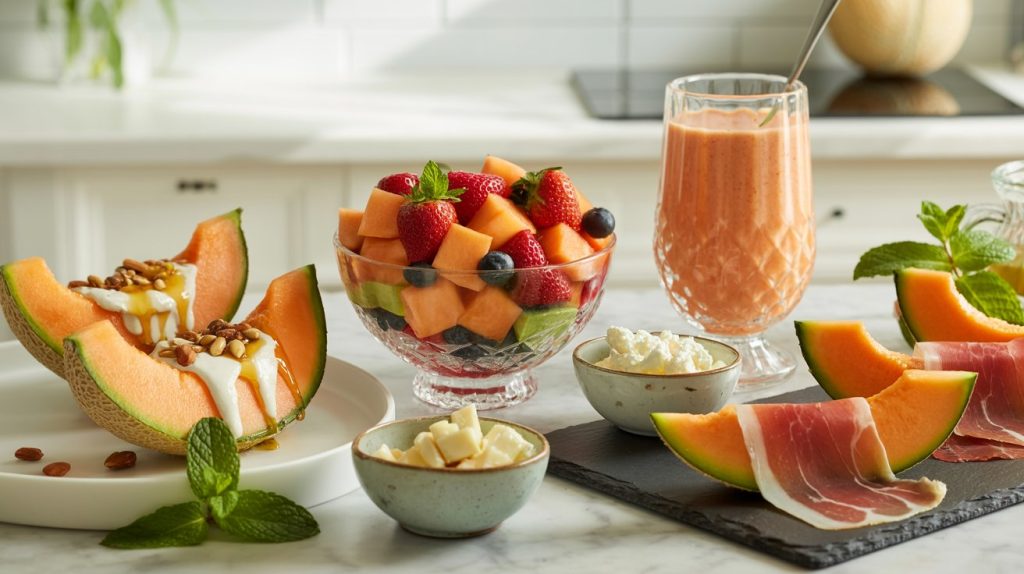
- Fresh Fruit Salad: Combine 1 cup of diced cantaloupe with 1 cup of strawberries and ½ cup of blueberries for a refreshing fruit salad. Serve it chilled, and you’ll have a colorful side dish that’s perfect for summer gatherings.
- Cantaloupe Smoothie: Blend 1 cup of cubed cantaloupe with ½ cup of Greek yogurt, ½ cup of orange juice, and a handful of ice. This smoothie is thick, creamy, and bursting with flavor, making it a great breakfast option.
- Cantaloupe Boats: Halve a cantaloupe and scoop out the seeds, then fill each half with ½ cup of cottage cheese or yogurt and sprinkle with 1 tablespoon of honey and chopped nuts. This makes a nutritious and visually appealing breakfast or snack.
Pairing Suggestions
- Prosciutto and Cantaloupe: Wrap slices of cantaloupe with prosciutto for a savory-sweet appetizer. The saltiness of the prosciutto complements the natural sweetness of the fruit beautifully.
- Mint Garnish: Add a few fresh mint leaves to your cantaloupe dishes for a burst of freshness. This works particularly well in salads or smoothies.
- Cheese Pairings: Cantaloupe pairs wonderfully with soft cheeses like feta or goat cheese. Serve with a sprinkle of black pepper for an elegant appetizer.
Incorporating Cantaloupe in Dishes
Cantaloupe is a delicious and versatile fruit that can be easily integrated into various meals. Understanding how to use cantaloupe in dishes not only enhances flavor but also helps to control serving sizes, making it easier to enjoy its nutritional benefits. Here are some practical and tasty ideas for incorporating cantaloupe into your meals.
Smoothies
- To make a refreshing cantaloupe smoothie, start by preparing your ingredients. You will need 1 cup of diced cantaloupe (about half of a medium melon), ½ cup of Greek yogurt, ½ cup of orange juice, and a handful of ice cubes.
- In a blender, combine the diced cantaloupe, Greek yogurt, orange juice, and ice. Blend on high for about 30 seconds, or until the mixture is smooth and creamy.
- Pour the smoothie into a glass, and enjoy immediately. The vibrant orange color and sweet aroma should entice you to take a sip!
Salads
- For a refreshing cantaloupe salad, gather your ingredients: 2 cups of cubed cantaloupe, 1 cup of baby spinach, ¼ cup of feta cheese, and 2 tablespoons of balsamic vinaigrette.
- In a large bowl, add the baby spinach followed by the cubed cantaloupe. Crumble the feta cheese on top, and drizzle with the balsamic vinaigrette. Gently toss to combine, ensuring the cantaloupe is evenly distributed.
- Serve in a chilled bowl. The salad should have a bright, inviting look with contrasting colors, and the sweet and savory flavors will delight your taste buds!
Chef’s tip: For added crunch, sprinkle some toasted almonds or sunflower seeds on top of your salad.
Pro Tips and Common Mistakes
Understanding the best practices for serving cantaloupe can enhance your enjoyment of this sweet fruit. This section will guide you on how to check for ripeness and the ideal serving temperature, ensuring you get the most flavor and freshness from each slice.
Ripeness Check
- Look for a uniform color: A ripe cantaloupe should have a creamy yellow or golden hue on its underside, indicating it has ripened on the vine. Avoid melons with green spots, which suggest they were picked too early.
- Smell the stem end: A ripe cantaloupe emits a sweet, fragrant aroma from the stem end. If it has little to no scent, it may not be fully ripe yet.
- Check for firmness: Gently press on the blossom end; it should yield slightly to pressure. If it’s too hard, it’s underripe; if it’s overly soft, it may be overripe.
Serving Temperature
- Chill before serving: Cantaloupe is best enjoyed cold. Refrigerate it for at least 1-2 hours before serving to enhance its refreshing qualities.
- Serve at room temperature: If desired, you can let the cantaloupe sit at room temperature for about 20 minutes before serving. This can help to bring out its natural sweetness.
- Pair with other temperatures: When serving cantaloupe in salads or desserts, consider balancing it with warm ingredients, like grilled shrimp or a warm honey drizzle, to create a delightful contrast.
Quick Summary
| Prep Time | 10 minutes |
|---|---|
| Cook Time | N/A |
| Total Time | 10 minutes |
| Servings | 4 |
- Choose ripe cantaloupe: Look for a sweet aroma and slightly soft stem end.
- Serve chilled: Refrigerate for at least 1 hour before serving for best flavor.
- Cut into uniform pieces: Aim for 1-inch cubes for even serving sizes.
- Portion control: A standard serving size is about 1 cup of diced cantaloupe.
- Enhance flavor: Drizzle with lime juice for a refreshing twist.
- Storage tip: Keep cut cantaloupe in an airtight container in the fridge for up to 3 days.
Frequently Asked Questions
Can I make cantaloupe salad ahead of time? How do I store it?
You can prepare cantaloupe salad up to 4 hours in advance. Store it in an airtight container in the refrigerator to keep it fresh.
What can I substitute for cantaloupe in a fruit salad?
You can substitute cantaloupe with honeydew melon or watermelon for a similar texture and sweetness. Just keep in mind that the flavor profile will change slightly.
How do I know when my cantaloupe is ripe?
A ripe cantaloupe should feel heavy for its size and have a slightly soft stem end with a sweet aroma. It should also have a yellowish spot where it sat on the ground.
Can I freeze cantaloupe? How long does it last?
You can freeze cantaloupe, and it will last up to 6 months in the freezer. However, it may become mushy when thawed, so it’s best used in smoothies or desserts.
What if I don’t have a melon baller for serving cantaloupe?
If you don’t have a melon baller, you can use a small spoon or a knife to scoop out or slice the cantaloupe into cubes. Just be careful to maintain even sizes for an attractive presentation.
