
Yes, you can absolutely freeze prune juice! It’s a fantastic way to preserve its goodness and enjoy it long after its original expiration date. Freezing keeps prune juice safe and retains most of its beneficial nutrients, making it a convenient option for busy households.
Ever found yourself with a half-empty carton of prune juice, wondering if it’s still good or if you should just pour it down the drain? You’re not alone! Many of us worry about wasting food and, more importantly, about consuming something that might not be safe. Prune juice, with its unique flavor and digestive benefits, is one of those items that can linger in the fridge. The good news is, you don’t have to let it go to waste. We’re here to uncover the simple truth about freezing prune juice, making it easy for you to keep this healthy drink on hand.
The Shocking Truth About Freezing Prune Juice
Let’s get straight to the point: prune juice freezes beautifully! It’s a straightforward process that helps maintain its quality and safety for an extended period. Think of your freezer as a time capsule for this nutritious beverage. When you freeze prune juice, you’re essentially pausing its clock, preventing spoilage and preserving its valuable nutrients. This means you can enjoy the benefits of prune juice whenever you need them, without the rush to finish it before it turns.
Why Freeze Prune Juice?
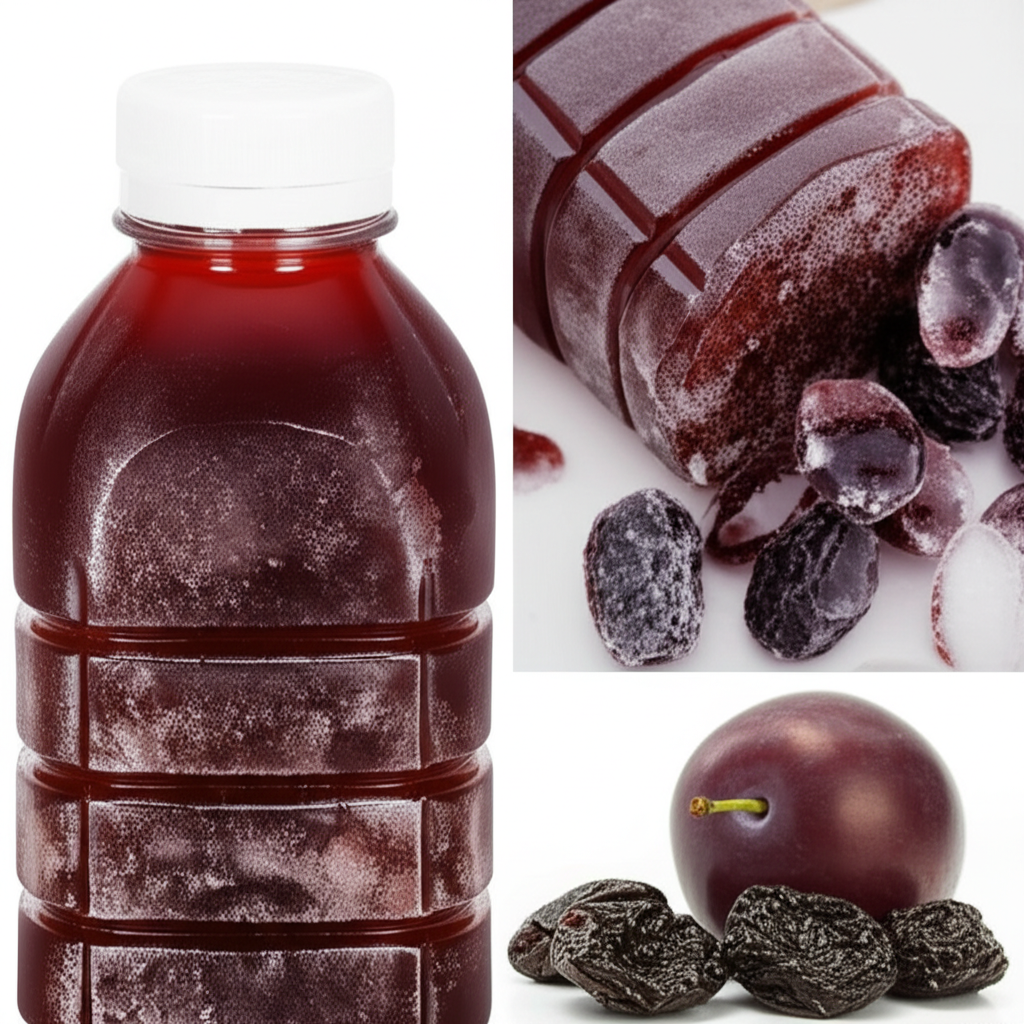
There are several compelling reasons why freezing prune juice is a brilliant idea:
- Reduces Waste: If you can’t finish a large bottle before its expiry date, freezing is a lifesaver.
- Long-Term Storage: Extend the shelf life significantly, saving money and ensuring you always have it available.
- Convenience: Have a ready supply for when you need a digestive boost or a healthy drink option.
- Portion Control: Freeze in smaller portions for individual servings.
- Maintain Nutrients: While some minor nutrient degradation can occur over very long periods, freezing is one of the best methods to preserve the vitamins and minerals found in prune juice.
How to Freeze Prune Juice: A Step-by-Step Guide
Freezing prune juice is incredibly simple, and with a few easy steps, you can ensure it comes out just as good as when you put it in. We’ll walk you through everything you need to know to do it right.
What You’ll Need:
- Prune juice (any amount)
- Freezer-safe containers or bags
- A funnel (optional, but helpful)
- A marker for labeling
Step 1: Choose Your Containers Wisely
The key to successful freezing is using the right kind of storage. You want containers that can withstand the expansion of liquid as it freezes and are completely airtight to prevent freezer burn.
- Freezer-Safe Plastic Containers: Look for containers specifically labeled for freezer use. These are usually made of thicker plastic that won’t become brittle in the cold.
- Freezer Bags: Heavy-duty freezer bags are a great option. They are flexible and take up less space.
- Ice Cube Trays: For single servings, ice cube trays are perfect. Once frozen, you can transfer the cubes to a freezer bag.
Step 2: Prepare the Prune Juice
Before you pour, consider the expansion. Liquids expand when they freeze, so you don’t want to fill your containers to the brim. Leaving headspace is crucial to prevent containers from cracking or lids from popping off.
- For Bottles/Cartons: If you’re using the original carton or a plastic bottle, pour out about an inch or two of the juice to allow for expansion.
- For Bags: Pour the prune juice into freezer bags. Use a funnel if needed to prevent spills.
- For Ice Cube Trays: Fill the trays about three-quarters full.
Step 3: Seal and Label
Once your containers are filled appropriately, it’s time to seal them up tight. Proper sealing is essential to keep out air and moisture, which can lead to freezer burn and affect the taste.
- Containers: Secure the lids tightly.
- Bags: Press out as much air as possible from the bag before sealing it completely. Double-bagging can offer extra protection.
- Labeling: This is a critical step! Use a permanent marker to label each container with the contents (“Prune Juice”) and the date you froze it. This helps you keep track of your frozen goods.
Step 4: Freeze Away!
Now, simply place your prepared prune juice into the freezer. Arrange the containers so they are level, especially if using bottles or cartons, to prevent leaks.
How Long Does Frozen Prune Juice Last?
Frozen prune juice can last for a surprisingly long time while maintaining its quality. The USDA recommends that liquids can be kept frozen indefinitely for safety, but for best quality, it’s generally recommended to consume them within 6 to 12 months.
Here’s a general guideline for quality:
| Storage Method | Recommended Quality Duration |
|---|---|
| Freezer-safe airtight containers/bags | 6-12 months |
| Ice cube trays (transferred to freezer bag) | 6-12 months |
While it remains safe to consume beyond this period, the flavor and texture might start to degrade. Proper sealing and labeling will help you get the most out of your frozen stash.
Thawing Your Frozen Prune Juice
When you’re ready to enjoy your frozen prune juice, thawing it is just as easy as freezing it. The best method is to transfer it from the freezer to the refrigerator. This allows it to thaw slowly and safely, preserving its quality.
- Refrigerator Thawing: Place the frozen container or bag in the refrigerator. Depending on the amount, it can take anywhere from 12 to 24 hours to thaw completely.
- Countertop Thawing: Avoid thawing at room temperature, as this can promote bacterial growth.
- Microwave Thawing: This is generally not recommended for juices, as it can heat them unevenly and alter the flavor.
Once thawed, give the prune juice a good shake or stir before consuming. You can also gently reheat it if you prefer a warm drink. For instance, if you froze it in ice cube trays, you can add a cube or two to warm water for a soothing beverage.
Prune Juice for Specific Needs
Prune juice is often sought after for its natural digestive benefits, helping to promote regularity. Its gentle nature makes it suitable for various situations.
Wisdom Teeth Recovery
After wisdom teeth removal, eating can be difficult. Prune juice offers hydration and essential nutrients without requiring chewing. Its natural laxative effect can also be beneficial if the pain medication causes constipation, a common side effect.
Acid Reflux and GERD
For those managing acid reflux or GERD, prune juice can be a helpful addition to the diet, provided it doesn’t trigger symptoms. It’s less acidic than many other fruit juices. However, individual reactions can vary, so it’s always wise to consult with a healthcare professional or a registered dietitian to see if prune juice fits into your specific dietary plan. Some find that its gentle fiber content aids digestion without exacerbating reflux. For more information on managing GERD, the National Institute of Diabetes and Digestive and Kidney Diseases (NIDDK) offers comprehensive guidance.
Hydration
Prune juice contributes to your daily fluid intake. While water is essential, incorporating juices like prune juice can add flavor and a boost of potassium and vitamin A, supporting overall hydration and well-being.
Tips for the Best Frozen Prune Juice
To ensure your frozen prune juice is as enjoyable as possible:
- Start with Quality: Use fresh, good-quality prune juice. Freezing won’t improve the taste of already old or off-tasting juice.
- Leave Headspace: As mentioned, this is crucial to prevent container damage.
- Airtight is Key: Minimize air exposure to prevent freezer burn.
- Freeze in Portions: If you don’t use much at once, freeze in smaller quantities (like ice cubes or 4-ounce containers) so you only thaw what you need.
- Shake Before Use: Separation can occur during freezing and thawing, so always shake or stir well before drinking.
Can You Refreeze Prune Juice?
Generally, it is not recommended to refreeze prune juice once it has been thawed. Refreezing can significantly impact the quality, texture, and potentially the safety of the juice due to the risk of bacterial growth during the thawing process. It’s best to thaw only what you plan to consume.
Frequently Asked Questions about Freezing Prune Juice
Can I freeze prune juice in glass bottles?
It’s generally not advisable to freeze prune juice in glass bottles. Glass can shatter when liquids expand during freezing, creating a safety hazard. Stick to freezer-safe plastic containers or heavy-duty freezer bags.
Will freezing change the taste of prune juice?
Freezing may cause a slight alteration in taste or texture for some people, but for the most part, it is well-preserved. Proper sealing and avoiding freezer burn are key to maintaining the best possible flavor.
What happens if I don’t leave headspace when freezing prune juice?
If you fill containers to the brim, the expanding liquid can cause plastic containers to crack or lids to pop off. This can lead to leaks and potential freezer burn.
Is prune juice safe after its expiration date if frozen?
If the prune juice was frozen before its expiration date and stored properly, it remains safe to consume indefinitely from a food safety standpoint. However, for optimal taste and quality, it’s best consumed within 6-12 months of freezing.
Can I freeze homemade prune juice?
Yes, you can absolutely freeze homemade prune juice using the same methods described for store-bought prune juice. Ensure it is properly cooled before freezing.
Are there any specific benefits to freezing prune juice compared to refrigerating it?
Freezing allows you to store prune juice for much longer periods than refrigeration. Refrigerated, opened prune juice typically lasts only 7-10 days, while frozen prune juice can be kept for months, reducing waste and ensuring availability.
Conclusion
So, the “shocking truth” is that freezing prune juice is not only possible but also a highly effective and practical way to extend its life and enjoy its benefits. By following these simple steps, you can confidently store your prune juice, reduce food waste, and always have this nutritious beverage ready when you need it. Whether you’re using it for digestive support, hydration, or simply enjoying its unique taste, freezing is your ally. Now you can stock up, freeze, and sip with peace of mind!
