
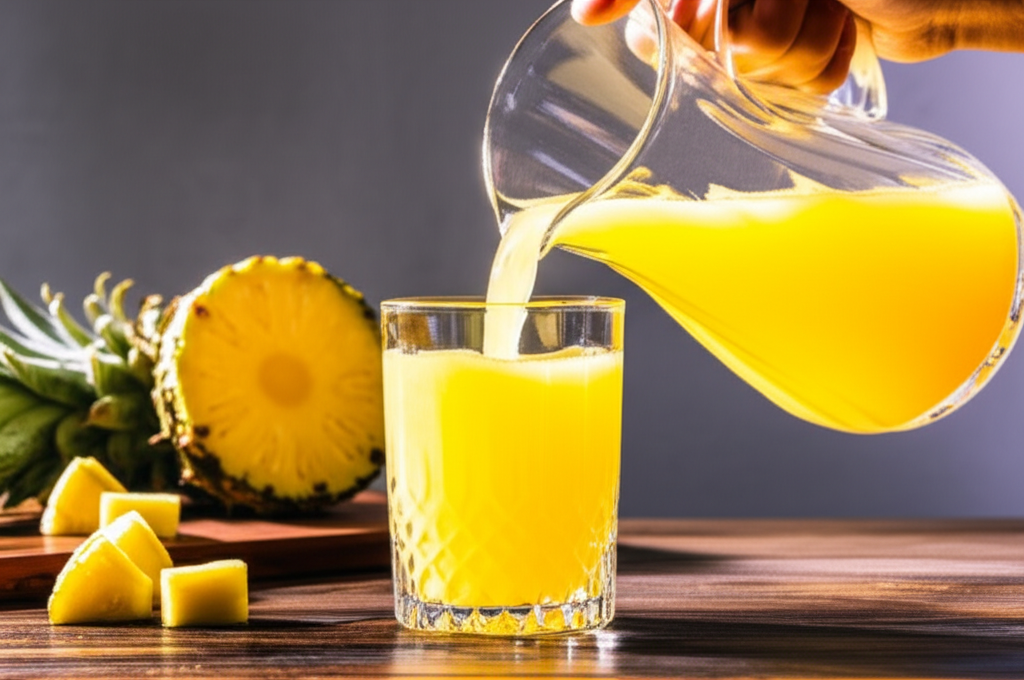
Yes, pineapple juice can definitely go bad! Properly stored, unopened juice lasts longer, but once opened, it’s best consumed within a few days to maintain freshness and safety. Signs of spoilage include off-smells, fizzy textures, and mold. We’ll guide you on how to tell and keep your delicious pineapple juice fresh!
Ever reach for that refreshing glass of pineapple juice, only to pause and wonder, “Is this still good?” It’s a common question, and one we’re here to answer with a smile! That vibrant tropical flavor is so delightful, but like all good things, it doesn’t last forever. Understanding how to tell if your pineapple juice has gone bad is key to enjoying its goodness safely and avoiding any tummy troubles. Don’t worry, it’s easier than you think! We’ll walk you through everything you need to know, from spotting the signs of spoilage to keeping your juice perfectly fresh for longer.
The Shocking Truth: How Long Does Pineapple Juice Really Last?
Pineapple juice, whether store-bought or freshly squeezed, is a delightful burst of sunshine in a glass. But its shelf life is a bit of a mixed bag, depending heavily on how it’s processed and stored. Understanding these differences is your first step to ensuring you’re always sipping on the good stuff.
Store-Bought Pineapple Juice: The Long Haul
Commercially produced pineapple juice typically undergoes pasteurization, a process that heats the juice to kill harmful bacteria and extend its shelf life. This is why you can often find it sitting happily on supermarket shelves for months.
Unopened (Shelf-Stable): As long as the seal is intact and it’s stored in a cool, dark place (like your pantry), unopened, pasteurized pineapple juice can last for a surprisingly long time. Check the “best by” or “expiration” date on the packaging. This date is more about peak quality than safety, but it’s a good indicator. Generally, it can be good for up to 12-18 months past the production date if stored correctly.
Opened (Refrigerated): Once you crack open that can or carton, the clock starts ticking. Exposure to air and potential contaminants means its lifespan drastically reduces.
Freshly Squeezed Pineapple Juice: The Delicate Delight
This is where things get a little more sensitive. Freshly squeezed pineapple juice, made right in your kitchen, hasn’t been pasteurized. This means it retains more of its natural enzymes and nutrients, which is fantastic for your health! However, it also means it’s more prone to spoilage.
In the Refrigerator: Freshly squeezed pineapple juice is best consumed within 24 to 72 hours (1-3 days). Storing it in an airtight container is crucial to minimize contact with air, which accelerates oxidation and bacterial growth. The enzymes naturally present in pineapple can also continue to break down the juice, changing its texture and flavor over time.
Decoding Spoilage: Signs Your Pineapple Juice Has Turned
So, how do you know if your pineapple juice has gone bad? Your senses are your best allies here! Look, smell, and even a tiny taste (if you’re brave and it passes the other tests!) can tell you a lot.
Visual Clues: What to Look For
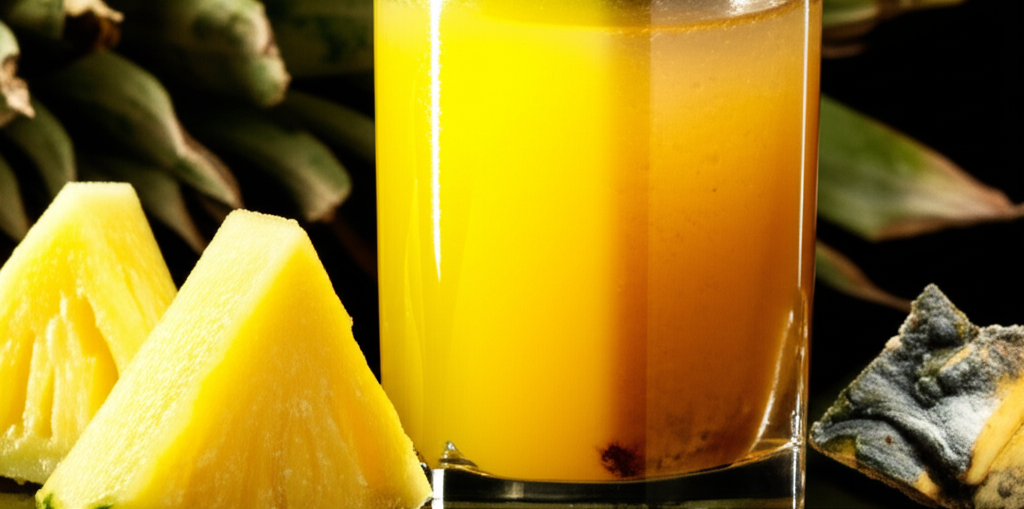
Mold Growth: This is the most obvious sign. If you see any fuzzy patches of white, green, blue, or black on the surface or around the rim of the container, discard it immediately. Mold can produce mycotoxins, which are harmful.
Discoloration: While pineapple juice is naturally yellow, a significant darkening or any unusual color change might indicate oxidation or bacterial activity.
Cloudiness or Sediment: A little bit of natural sediment can sometimes settle in juice, especially if it’s not highly filtered. However, if the juice becomes excessively cloudy or develops a murky appearance that wasn’t there before, it could be a sign of spoilage.
Fizzy or Bubbling: If you open a container and it’s unexpectedly fizzy or you see bubbles forming, this is a strong indicator of fermentation. This happens when natural sugars are consumed by yeast or bacteria, producing alcohol and carbon dioxide. While some fermentation might not be immediately dangerous, it means the juice is no longer fresh and its flavor and quality will be compromised.
Olfactory Clues: Trust Your Nose!
Sour or Fermented Smell: Fresh pineapple juice has a sweet, tropical aroma. If it smells sour, vinegary, alcoholic, or just plain “off,” it’s time to toss it.
Unpleasant Odor: Any smell that seems “wrong” or uncharacteristic of pineapple is a red flag.
Taste Test (Use with Caution!): The Final Frontier
If the visual and olfactory checks don’t reveal obvious spoilage, you might consider a tiny taste. However, this should be a last resort, and only if the juice looks and smells normal.
Sour or Bitter Taste: If it tastes significantly sour, bitter, or has a fermented flavor that you don’t recognize, spit it out and discard the rest.
The Science Behind Spoilage: Why Does It Happen?
Understanding why pineapple juice spoils can help you appreciate the importance of proper storage and handling. It all comes down to enzymes, bacteria, yeast, and oxidation.
Enzymes: Pineapples contain bromelain, a group of enzymes that are naturally present. While beneficial for digestion, these enzymes can continue to break down the fruit’s components, potentially altering the juice’s texture and flavor over time, even in the absence of microbial spoilage.
Microbial Contamination: Bacteria, yeasts, and molds are naturally present in the environment. When you cut or juice a pineapple, these microorganisms can be introduced. If conditions are right (moisture, nutrients, temperature), they will multiply.
Bacteria: Can cause off-flavors and potentially harmful toxins.
Yeasts: Often lead to fermentation, producing alcohol and carbon dioxide, resulting in that fizzy sensation and alcoholic or sour taste.
Molds: Can grow on the surface and produce visible fuzzy growth and potentially harmful mycotoxins.
Oxidation: Exposure to air causes oxidation, a chemical reaction that can degrade nutrients and flavor compounds, leading to a less vibrant taste and potentially a slightly “cooked” or stale flavor.
Storing Your Pineapple Juice for Maximum Freshness
Proper storage is your best defense against premature spoilage and the key to enjoying your pineapple juice for as long as possible.
For Store-Bought Pineapple Juice:
Before Opening: Store in a cool, dark place like a pantry or cupboard. Avoid direct sunlight and extreme temperatures, as these can degrade quality and potentially affect the seal.
After Opening: This is critical!
1. Seal Tightly: Pour any leftover juice into a clean, airtight glass jar or a BPA-free plastic container. A tightly sealed container minimizes air exposure.
2. Refrigerate Immediately: Place the sealed container in the coldest part of your refrigerator, usually the back.
3. Consume Promptly: Aim to drink opened pineapple juice within 3-5 days for the best taste and quality.
For Freshly Squeezed Pineapple Juice:
Use Fresh Ingredients: Start with a ripe, firm pineapple. Avoid any with soft spots or signs of mold.
Cleanliness is Key: Ensure all your juicing equipment (juicer, knives, cutting boards, containers) is thoroughly cleaned and sanitized before use. This minimizes the introduction of bacteria.
Airtight Storage:
1. Choose the Right Container: Use glass jars with tight-fitting lids or high-quality, airtight plastic containers.
2. Fill to the Top: To minimize air exposure, fill your storage container as close to the brim as possible. This leaves less room for air to interact with the juice.
3. Refrigerate Promptly: Get the juice into the refrigerator immediately after juicing and storing.
4. Consume Quickly: As mentioned, aim for consumption within 24-72 hours (1-3 days).
Can You Freeze Pineapple Juice?
Yes, you absolutely can freeze pineapple juice! Freezing is an excellent way to preserve it for much longer periods, though it can slightly alter the texture upon thawing.
How to Freeze Pineapple Juice:
1. Choose a Freezable Container: Use airtight, freezer-safe containers. Glass jars can sometimes crack if filled completely and frozen due to expansion, so consider BPA-free plastic containers, freezer bags, or ice cube trays.
2. Portion It Out: If you plan to use smaller amounts at a time, freeze it in ice cube trays. Once frozen, you can transfer the cubes to a freezer bag for easy storage. Alternatively, freeze in individual serving-sized containers.
3. Leave Headspace: If using containers that aren’t flexible (like glass jars or rigid plastic), leave about an inch of headspace at the top. Liquid expands when frozen, and this space prevents the container from breaking.
4. Label and Date: Always label your frozen juice with the contents and the date it was frozen.
5. Freeze: Place the containers in the freezer.
Thawing Frozen Pineapple Juice:
Best Method: Thaw slowly in the refrigerator overnight. This helps maintain the best possible texture and quality.
Quicker Method: You can thaw it at room temperature, but keep an eye on it to ensure it doesn’t sit out too long once thawed.
Texture Change: Be aware that freezing and thawing can sometimes cause the juice to separate or become slightly less smooth. A good shake or a quick blend can often help restore its consistency.
Shelf Life After Thawing: Once thawed, treat it like freshly squeezed juice. Store it in the refrigerator and consume within 2-3 days.
Tips for Keeping Your Pineapple Juice Fresh
Beyond proper storage, a few extra steps can help maximize your pineapple juice’s freshness:
Use the Right Juicer: Some juicers are better at preserving enzymes and minimizing oxidation than others. Centrifugal juicers can introduce more air, while masticating (cold-press) juicers are generally gentler and better for preserving nutrients and shelf life.
Cleanliness: We can’t stress this enough! A clean environment and clean equipment are paramount for preventing early spoilage.
Airtight is Essential: Always ensure your containers are truly airtight. Even a small gap can let in oxygen and contaminants.
First In, First Out (FIFO): Practice good kitchen habits by using your oldest juice first. This is especially important for homemade juices.
Pineapple Juice for Specific Needs: Freshness Matters!
The importance of fresh pineapple juice is particularly pronounced when considering its use for specific health needs.
Wisdom Teeth Recovery: Many people turn to pineapple juice for its anti-inflammatory properties, which can help with swelling and pain after wisdom tooth extraction. For this purpose, the freshest juice is best to maximize its natural benefits. Stale or fermented juice won’t provide the same soothing relief. Always consult your dentist or oral surgeon for specific post-operative care instructions.
Hydration: Pineapple juice is a great source of hydration and electrolytes. However, as juice ages, its nutritional profile can degrade, and unwanted microbial activity can occur.
Digestive Aid: Bromelain in pineapple juice is known to aid digestion. For this benefit, the juice must be fresh to retain active enzymes. Oxidized or fermented juice might actually disrupt your digestive system rather than help it. According to the National Center for Biotechnology Information (NCBI), bromelain’s effectiveness is linked to its enzymatic activity, which is highest in fresh juice.
Can I Drink Pineapple Juice If It’s Slightly Fizzy?
While a slight fizziness might seem harmless, it usually indicates that fermentation has begun. This means that natural sugars in the juice have been converted into alcohol and carbon dioxide by yeast or bacteria.
Flavor Change: The taste will likely be altered, often becoming sour or alcoholic.
Potential for Harm: While mild fermentation might not make you seriously ill, it’s a sign that the juice is no longer in its optimal state and could potentially harbor other unwanted microbes.
* Recommendation: For the best taste, quality, and safety, it’s generally recommended to avoid drinking pineapple juice that has become noticeably fizzy.
FAQ: Your Pineapple Juice Questions Answered
Q1: How long can I keep unopened canned pineapple juice?
A1: Unopened canned pineapple juice is typically shelf-stable and can last for 12-18 months or even longer past the ‘best by’ date if stored in a cool, dark place. Always check the packaging for specific recommendations.
Q2: What’s the difference between pasteurized and fresh pineapple juice regarding spoilage?
A2: Pasteurized juice has been heated to kill bacteria, giving it a much longer shelf life. Freshly squeezed juice is unpasteurized and contains active enzymes and natural microbes, meaning it spoils much faster, usually within 1-3 days in the refrigerator.
Q3: My opened pineapple juice smells a bit like alcohol. Is it still safe to drink?
A3: The alcoholic smell indicates fermentation. While it might not be acutely dangerous in small amounts, it means the juice has spoiled, its flavor is compromised, and it’s best to discard it to be safe.
Q4: Can I leave pineapple juice out on the counter overnight?
A4: No, you should not leave pineapple juice (especially opened or fresh juice) out on the counter overnight. Refrigeration is essential to slow down bacterial growth and prevent spoilage. The “danger zone” for food is between 40°F (4°C) and 140°F (60°C), where bacteria multiply rapidly.
Q5: How should I store freshly juiced pineapple?
A5: Store freshly juiced pineapple in a clean, airtight container, filling it as close to the brim as possible to minimize air exposure. Keep it refrigerated and consume within 24-72 hours for optimal freshness and safety.
Q6: Is it safe to drink pineapple juice with a little bit of separation?
A6: Yes, some separation is normal, especially after refrigeration or thawing. It indicates that natural components are settling. As long as the juice looks, smells, and tastes fresh, a bit of separation is usually fine. Just give it a good shake before drinking.
Conclusion: Sip Safely and Enjoy!
So, can pineapple juice go bad? The simple answer is a resounding yes! But with a little knowledge about how to store it and what signs to look for, you can confidently enjoy this tropical treat without worry. Whether you’re sipping on store-bought goodness or savoring your own homemade creation, understanding its journey from fruit to glass ensures you’re always getting the best taste and the most benefits. Remember to trust your senses, keep things clean, and store your juice properly. By following these simple tips, you can keep that sunshine-filled flavor in your life for longer, making every sip a delightful and healthy experience. Cheers to fresh, delicious pineapple juice!
