

Yes, lime juice can absolutely go bad, affecting its flavor, potency, and safety. Proper storage is key to extending its freshness and enjoying its vibrant taste and benefits.
Ever reached for that bottle of lime juice, only to hesitate, wondering if it’s still good? You’re not alone! That zesty, bright flavor is a kitchen staple, but knowing if it’s past its prime can be tricky. Is it just a little less zingy, or is it actually unsafe to use? We’re here to shed light on the life of your lime juice, from the moment it’s squeezed to when it’s time to say goodbye. Get ready for some refreshing clarity!
The Shocking Truth: Can Lime Juice Really Go Bad?
The short answer is a resounding yes! While lime juice is acidic, which acts as a natural preservative, it’s not immune to spoilage. Think of it like any other food product; time, exposure to air, and improper storage can all contribute to its decline. Whether it’s freshly squeezed or store-bought, understanding the signs of spoilage will save your recipes and your peace of mind.
So, what exactly happens when lime juice goes bad? It’s a combination of chemical and microbial changes. The acidity helps, but it doesn’t prevent everything. Over time, the volatile aromatic compounds that give lime its signature smell and taste can degrade, leading to a less vibrant, even unpleasant flavor. More importantly, bacteria and mold can start to grow, especially if the juice isn’t stored correctly, posing a risk to your health.
Freshly Squeezed vs. Bottled: What’s the Difference?
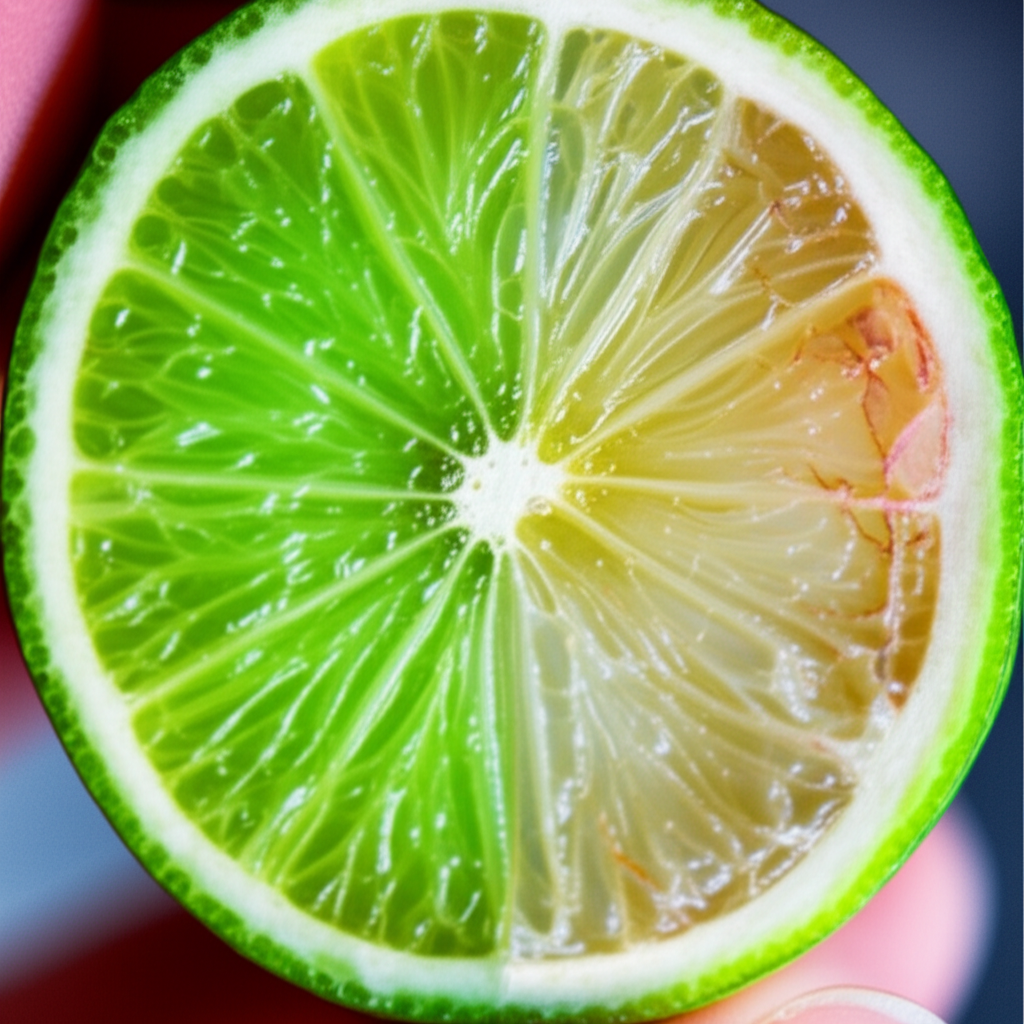
There’s a distinct difference in how quickly fresh and bottled lime juice spoil. Freshly squeezed lime juice is a pure, unadulterated delight, but its shelf life is much shorter. Bottled lime juice, on the other hand, often contains preservatives and is pasteurized, giving it a longer lifespan.
Freshly Squeezed Lime Juice: The Short & Zesty Life
When you squeeze limes yourself, you’re getting the pure essence of the fruit. This means no added preservatives to keep it fresh. The natural acidity is there, but without stabilizers, it’s more vulnerable to oxidation and microbial growth.
- Flavor Degradation: The bright, citrusy notes will start to fade within a few days.
- Nutrient Loss: Vitamin C, a key nutrient in lime juice, is sensitive to light and air and can degrade over time.
- Potential for Spoilage: Without preservatives, bacteria or mold can begin to grow, especially if not stored properly.
To get the most out of your fresh lime juice, it’s best to use it within 2-3 days when stored correctly in an airtight container in the refrigerator. For longer storage, freezing is a great option, preserving its flavor and nutrients for several months.
Bottled Lime Juice: The Longer-Lasting Option
Store-bought lime juice typically undergoes pasteurization, a process of heating the juice to kill harmful bacteria and extend its shelf life. Many brands also include preservatives like sodium benzoate or potassium metabisulfite to further inhibit microbial growth and oxidation.
- Unopened Bottle: Can last for months, even up to a year or more, when stored in a cool, dark pantry. Always check the “best by” date.
- Opened Bottle: Once opened, the clock starts ticking. Exposure to air accelerates oxidation and can introduce bacteria.
Even with preservatives, opened bottled lime juice will eventually lose its optimal flavor and quality. We’ll cover how to store it properly to maximize its lifespan below.
Signs Your Lime Juice Has Gone Bad
Trust your senses! Your nose, eyes, and even taste buds can tell you if your lime juice is no longer good to use. Recognizing these signs is crucial for avoiding any unpleasant or potentially harmful experiences.
Smell Test: The First Line of Defense
The aroma of fresh lime juice is unmistakable – bright, clean, and citrusy. If your lime juice has developed an off-putting smell, it’s a clear indicator that something has changed.
- Sour or Fermented Odor: A smell that’s too vinegary or like it’s fermenting is a sign of bacterial activity.
- Musty or Moldy Smell: This is a definite warning sign of mold growth.
- Lack of Fresh Scent: If it smells dull, flat, or simply “off” without a distinct bad odor, it might have lost its desirable volatile compounds.
If you detect any of these unusual smells, it’s best to discard the juice to be safe.
Visual Cues: What to Look For
Your eyes can also provide valuable clues about the condition of your lime juice.
- Cloudiness: While some natural sediment might settle in bottled juice, a sudden or excessive cloudiness that wasn’t there before could indicate microbial growth.
- Mold Growth: Any visible fuzzy spots, colored patches (green, white, black), or film on the surface are definitive signs of mold.
- Color Change: While subtle color shifts can occur due to oxidation, a dramatic change to a brown or dull hue might suggest it’s past its prime.
If you see any signs of mold or significant discoloration, do not taste it. Dispose of it immediately.
Taste Test: The Last Resort (Use with Caution!)
If the smell and appearance seem okay, a tiny taste might be the final confirmation. However, this should only be done if you have no other indicators of spoilage, and even then, proceed with caution.
- Off-Flavors: Beyond just being less tart, look for bitter, metallic, or distinctly unpleasant tastes.
- Flatness: If the characteristic lime flavor is completely gone and it just tastes watery or bland, it’s likely lost its potency.
If it tastes even slightly “off,” it’s better to err on the side of caution and not consume it.
Proper Storage: Keeping Your Lime Juice Fresh
Storing your lime juice correctly is the most effective way to prevent it from going bad prematurely. Whether you’ve just squeezed a fresh batch or opened a bottle, these tips will help maintain its quality and safety.
Storing Freshly Squeezed Lime Juice
For that vibrant, natural flavor, proper storage of fresh juice is key.
- Airtight Container: Use a clean, airtight glass jar or bottle. This minimizes exposure to air, which causes oxidation.
- Refrigerate Immediately: Always store fresh lime juice in the refrigerator. The cold temperature slows down bacterial growth.
- Keep it Cold: Try to store it in the main part of the fridge, not in the door where temperatures fluctuate more.
- Use Within Days: Aim to consume freshly squeezed juice within 2-3 days for the best flavor and quality.
- Freezing for Longevity: If you have more than you can use in a few days, freeze it! Pour it into ice cube trays for easy portioning. Once frozen, transfer the cubes to a freezer bag. Frozen lime juice can last for 4-6 months.
Storing Bottled Lime Juice
Once opened, bottled lime juice requires careful handling to maintain its quality.
- Refrigerate After Opening: Always refrigerate bottled lime juice once you’ve opened it, regardless of what the label says about pantry storage.
- Seal Tightly: Ensure the cap is screwed on tightly after each use to prevent air from getting in.
- Check the Label: Most opened bottled lime juices are best used within 3-6 months, but always refer to the manufacturer’s instructions for the most accurate guidance.
- Store Upright: Keep the bottle upright to minimize the surface area exposed to air.
A helpful tip for both fresh and bottled juice: if you’re using it for cooking and only need a small amount, use a clean spoon or pour from the container in a way that minimizes splashing and air introduction back into the main juice.
The Benefits of Fresh Lime Juice: Why It’s Worth It
Beyond its culinary uses, lime juice is celebrated for its health benefits, particularly its high vitamin C content. Vitamin C is a powerful antioxidant that supports the immune system and skin health.
Nutritional Powerhouse
Lime juice is not just about flavor; it’s packed with nutrients that can contribute to your well-being.
- Vitamin C: Crucial for immune function, skin repair, and acting as an antioxidant to protect cells from damage. According to the National Institutes of Health (NIH), vitamin C is essential for collagen synthesis, which is vital for healthy skin and connective tissues.
- Antioxidants: Limes contain flavonoids, which are plant compounds with antioxidant properties that can help combat oxidative stress in the body.
- Hydration: Adding lime to water can make plain water more appealing, encouraging better hydration, which is fundamental for overall health.
Potential Health Advantages
Incorporating lime juice into your diet may offer several health advantages:
- Aids Digestion: The acidity in lime juice can stimulate digestive juices, potentially helping to break down food and alleviate indigestion.
- Supports Skin Health: Vitamin C’s role in collagen production is vital for maintaining skin elasticity and may help reduce the appearance of wrinkles and sun damage.
- Boosts Immunity: The vitamin C content can strengthen the immune system, helping your body fight off infections.
- Promotes Hydration: Adding a squeeze of lime to water makes it more palatable, encouraging increased fluid intake throughout the day.
For those recovering from dental procedures like wisdom tooth removal, the soothing and hydrating properties of diluted lime water can be beneficial, though it’s always wise to consult your dentist or doctor for specific dietary advice during recovery.
When to Avoid Lime Juice
While lime juice is generally healthy, there are specific situations where it might not be the best choice, or where caution is advised.
Acid Reflux and GERD
For individuals suffering from acid reflux or Gastroesophageal Reflux Disease (GERD), citrus juices, including lime juice, can sometimes exacerbate symptoms. The acidity can trigger or worsen heartburn and discomfort.
- Consult Your Doctor: If you have GERD or frequent heartburn, it’s essential to discuss your diet with your healthcare provider. They can help you identify trigger foods.
- Listen to Your Body: Even if not diagnosed with a condition, if you notice lime juice causes you discomfort, it’s best to limit or avoid it.
Diluting lime juice significantly or opting for less acidic fruits might be more suitable for sensitive individuals.
Dental Health
The high acidity of lime juice can erode tooth enamel over time if consumed frequently and without proper precautions.
- Rinse Your Mouth: After consuming lime juice, rinse your mouth with plain water.
- Avoid Brushing Immediately: Wait at least 30 minutes after consuming acidic foods or drinks before brushing your teeth, as brushing immediately can spread the acid and further damage softened enamel.
- Use a Straw: Drinking through a straw can help minimize contact between the juice and your teeth.
Frequently Asked Questions About Lime Juice
Here are some common questions juice enthusiasts and home cooks often ask about lime juice:
Q1: How long does freshly squeezed lime juice last in the refrigerator?
A1: Freshly squeezed lime juice typically lasts for about 2 to 3 days when stored in an airtight container in the refrigerator. Its flavor and potency will begin to decrease after this period.
Q2: Can I freeze lime juice? If so, how?
A2: Yes, you can freeze lime juice! The best way is to pour it into ice cube trays. Once frozen, transfer the cubes to a freezer-safe bag or container. This allows for easy, portioned use and can preserve the juice for up to 4-6 months.
Q3: What does it mean if my bottled lime juice has separated?
A3: Separation in bottled lime juice is usually normal, especially if it contains natural pulp or hasn’t been overly processed with stabilizers. It’s often a sign of fewer artificial additives. Simply shake the bottle well before use.
Q4: Is it safe to drink lime juice that smells slightly vinegary?
A4: No, a vinegary or fermented smell is a strong indicator of spoilage due to bacterial activity. It’s best to discard the lime juice to avoid potential health risks.
Q5: Can lime juice expire even if it’s unopened?
A5: Yes, unopened bottled lime juice has a “best by” or expiration date. While it may remain safe to consume for a while past this date if stored properly, its quality (flavor, vitamin content) will likely degrade. Always check the date on the bottle.
Q6: Is lime juice good for a sore throat?
A6: Warm water with honey and lime juice is a popular home remedy for sore throats. The warmth can be soothing, and the vitamin C might offer some immune support. However, the acidity could be irritating for some, so it’s best to try a small amount first.
Q7: Why does my homemade lime juice turn brown?
A7: Homemade lime juice can turn brown due to oxidation, which happens when it’s exposed to air. This process degrades the flavor and vitamin C content. Storing it in an airtight container and minimizing air exposure can help slow this down.
Conclusion: Savor the Zest, Safely!
So, can lime juice go bad? Absolutely! But with a little knowledge and some simple storage habits, you can ensure you’re always enjoying its bright, zesty goodness without worry. From understanding the subtle (and not-so-subtle) signs of spoilage to implementing best practices for both fresh and bottled varieties, you’re now equipped to make the most of this versatile citrus staple.
Remember, your senses are your best guides. Trust your nose and eyes, store it right, and when in doubt, it’s always safer to toss it. Whether you’re adding a splash to your water, whipping up a salad dressing, or creating a refreshing marinade, knowing your lime juice is fresh means you’re savoring its full flavor and benefits. Keep those limes fresh and your kitchen vibrant!
