
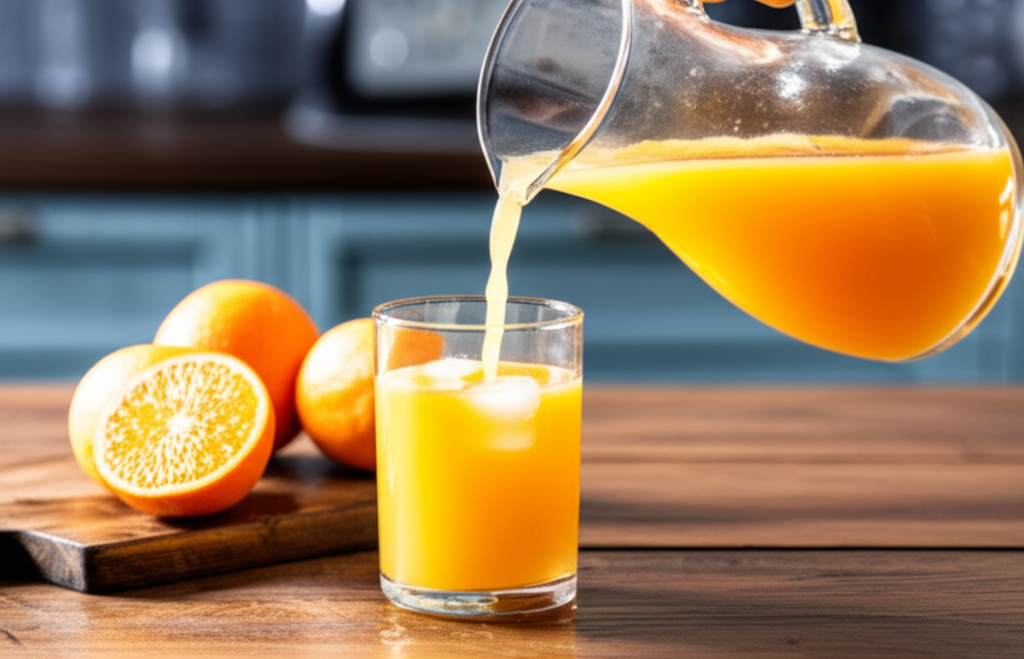
Yes, you can mix cannabis with orange juice, but understanding the “how” and “why” is crucial for a positive experience. This guide reveals the science and practical tips for safely and effectively infusing your juice, ensuring you avoid common pitfalls and unlock the full potential.
Ever wondered if your favorite morning citrus could be a vehicle for something a little more… uplifting? It’s a question many juice lovers ponder, especially when exploring different ways to enjoy natural remedies and botanicals. Mixing cannabis into orange juice might sound simple, but there’s a bit more to it than just pouring it all together. You want to make sure it’s effective, enjoyable, and safe.
The good news is, you’ve come to the right place! We’re here to demystify the process, breaking down exactly what happens when cannabis meets your OJ. We’ll guide you through the science, the best practices, and the potential outcomes, so you can make informed choices. Get ready to discover the surprising truth about this popular combination!
What Happens When You Mix Cannabis and Orange Juice?
When you think about combining cannabis and orange juice, it’s natural to wonder about the science behind it. Will it work? Will it taste good? And most importantly, will it be effective? Let’s break down what’s really going on.
At its core, the interaction between cannabis and orange juice involves how the body processes the cannabinoids, like THC and CBD, and how the juice itself might influence that. Orange juice is known for its acidity and its rich content of vitamin C. These elements can play a role in how cannabinoids are absorbed and metabolized.
Understanding Cannabinoid Absorption
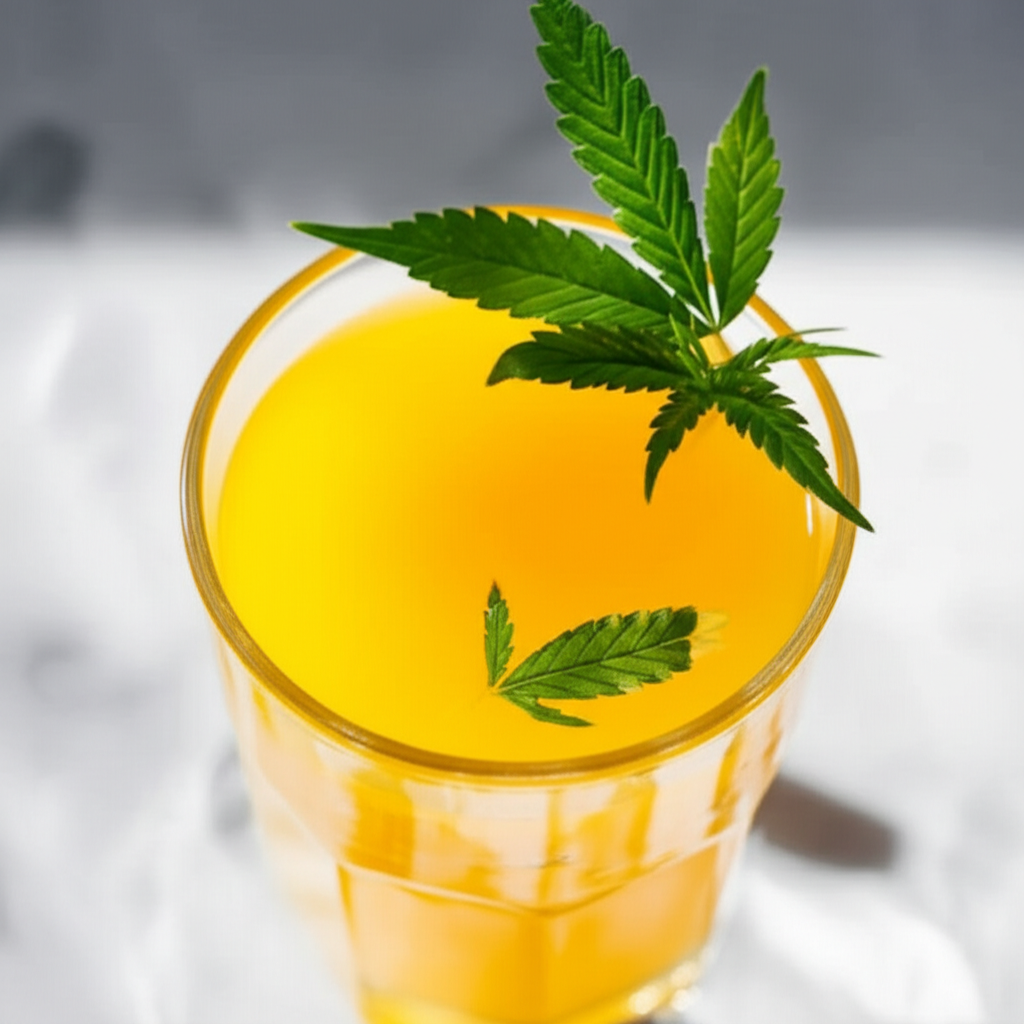
Cannabinoids, particularly THC and CBD, are fat-soluble. This means they dissolve in fats and oils, not water. When you consume cannabis orally, especially in an edible form, the cannabinoids need to be processed through your digestive system and liver. This process, known as first-pass metabolism, can significantly affect the potency and onset of effects.
Orange juice, being primarily water-based, doesn’t directly dissolve cannabinoids. However, its acidic nature might play a role in how the digestive system prepares for cannabinoid absorption. Some theories suggest that acidity could potentially aid in the breakdown of cannabis compounds, though this is not definitively proven in the context of direct juice consumption. The key factor for oral consumption is often the presence of fats to help with absorption.
The Role of Acidity and Vitamin C
Orange juice is famous for its vitamin C content and its natural acidity. The pH of orange juice is typically around 3.3 to 4.2. This acidity can influence the environment within your stomach. While not a direct solvent for cannabinoids, some research explores how acidic environments might interact with cannabis compounds during digestion.
Vitamin C, or ascorbic acid, is an antioxidant. While its direct impact on cannabinoid absorption is a complex area of research, some anecdotal evidence and preliminary studies suggest that antioxidants might play a role in modulating the effects of THC. However, the amounts present in a typical glass of orange juice are unlikely to cause a dramatic alteration in the cannabinoid experience. The primary benefit of mixing them is often more about masking flavors and creating a palatable edible experience.
Flavor Pairing and Palatability
One of the most significant reasons people mix cannabis with orange juice is for taste. Cannabis, especially in its raw or infused form, can have a strong, sometimes bitter or earthy flavor. Orange juice, with its bright, sweet, and tangy profile, can be an excellent way to mask these less desirable tastes. The citrus notes can complement certain cannabis strains, creating a more enjoyable edible experience.
When preparing cannabis edibles, achieving a pleasant taste is paramount. Orange juice is a versatile mixer that can be enjoyed on its own or as part of a larger juice blend. Its natural sweetness can help balance out any bitterness from the cannabis material, making the final product more appealing.
How to Prepare Cannabis-Infused Orange Juice
Ready to try making your own cannabis-infused orange juice? It’s a rewarding process that allows you to control the ingredients and dosage. Here’s a step-by-step guide to help you get started. Remember, the goal is to create a well-infused beverage that’s both effective and delicious.
The most common and effective method for preparing cannabis-infused beverages involves creating a cannabis tincture or an infused oil first, and then adding that to your juice. Directly mixing raw cannabis flower into juice is generally not recommended as it won’t effectively release the cannabinoids into the liquid, and the texture will be unpleasant.
Step 1: Decarboxylation – The Key to Activation
Before you can infuse anything, you need to “decarboxylate” your cannabis. This is a crucial heating process that activates the THC and CBD in the plant material, converting them from their acidic forms (THCA and CBDA) into their psychoactive and therapeutic forms (THC and CBD). Without decarboxylation, consuming cannabis orally will yield very little to no effect.
Here’s how to do it:
- Preheat your oven to 240°F (115°C).
- Break down your cannabis flower into small pieces. You don’t need to grind it finely.
- Spread the cannabis evenly on a baking sheet lined with parchment paper.
- Bake for 30-40 minutes, stirring gently halfway through. The cannabis should turn a light golden brown and become crumbly.
- Let it cool completely.
Step 2: Creating a Cannabis Infusion
Once your cannabis is decarboxylated, you can create an infusion. The most common methods involve using a carrier oil or alcohol to extract the cannabinoids.
Method A: Cannabis-Infused Oil (for a smoother taste)
This method creates an oil that can be easily mixed into beverages.
Tools and Ingredients:
- Decarboxylated cannabis
- Carrier oil (coconut oil, olive oil, or MCT oil are good choices)
- Glass jar with a lid
- Slow cooker or double boiler
- Cheesecloth or fine-mesh strainer
Instructions:
- Combine your decarboxylated cannabis with your chosen carrier oil in a glass jar. A general ratio is 1 ounce of cannabis to 2 cups of oil, but you can adjust this.
- Seal the jar tightly.
- If using a slow cooker: Place the sealed jar in a slow cooker and fill the slow cooker with water until it reaches about halfway up the side of the jar. Set the slow cooker to its lowest setting (warm or 140-160°F / 60-70°C) for 4-6 hours.
- If using a double boiler: Place the ingredients in the top pot of a double boiler over simmering water. Maintain a low heat (160-200°F / 70-95°C) for 4-6 hours, stirring occasionally.
- Carefully remove the jar from the heat and let it cool.
- Strain the oil through cheesecloth or a fine-mesh strainer into a clean container. Squeeze out as much oil as possible. Discard the plant material.
Method B: Cannabis Tincture (using alcohol)
This method uses high-proof alcohol to extract cannabinoids, creating a potent liquid.
Tools and Ingredients:
- Decarboxylated cannabis
- High-proof alcohol (e.g., Everclear, 190-proof grain alcohol)
- Glass jar with a lid
- Dark glass dropper bottles for storage
Instructions:
- Place your decarboxylated cannabis into a glass jar.
- Pour enough high-proof alcohol over the cannabis to completely submerge it.
- Seal the jar tightly and store it in a cool, dark place.
- Shake the jar daily for 4-6 weeks.
- After the infusion period, strain the liquid through cheesecloth or a coffee filter into a clean container.
- Transfer the tincture to dark glass dropper bottles. Allow any excess alcohol to evaporate for a stronger tincture.
Step 3: Infusing Your Orange Juice
Now for the exciting part – combining your infusion with orange juice!
1. Choose Your Orange Juice: Opt for fresh, pure orange juice without added sugars or artificial ingredients for the best flavor and health benefits. Pulp-free or with pulp is your preference.
2. Add Your Infusion:
With Cannabis Oil: Start with a small amount of your cannabis-infused oil (e.g., 1 teaspoon) and mix it thoroughly into a glass of orange juice. Because oil and water don’t mix easily, you might need to whisk or blend it well to ensure it’s evenly distributed. You can also emulsify the oil first by mixing it with a little lecithin (like sunflower lecithin) before adding it to the juice.
With Cannabis Tincture: Add a few drops of your cannabis tincture to your orange juice. The alcohol-based tincture will mix more readily with the juice. Start with a low dose and wait to see how it affects you before adding more.
3. Mix Well: Stir or shake vigorously to combine. For best results, especially with oil, using a small whisk or even a handheld milk frother can help emulsify the mixture.
4. Taste and Adjust: Take a small sip. If the flavor isn’t quite right or you want to increase the potency, add a little more juice or infusion as needed.
Cannabis and Orange Juice: Dos and Don’ts
To ensure a safe and enjoyable experience when combining cannabis with orange juice, it’s helpful to know the best practices and common mistakes to avoid. Following these guidelines will help you get the most out of your homemade infusion.
Here’s a quick rundown of what to do and what to steer clear of:
Dos:
- Start Low and Go Slow: Especially if you are new to edibles, begin with a very small dose of your infused oil or tincture. It can take 30 minutes to 2 hours to feel the effects, and they can last for several hours.
- Use High-Quality Ingredients: Opt for fresh, natural orange juice and well-prepared cannabis infusions for the best taste and potency.
- Ensure Proper Decarboxylation: This is non-negotiable for oral consumption to activate the cannabinoids.
- Store Infusions Properly: Keep cannabis oils and tinctures in cool, dark places to preserve their potency.
- Consider Emulsification: If using cannabis oil, adding a natural emulsifier like sunflower lecithin can help the oil mix more smoothly with the juice.
- Hydrate: While enjoying your infused juice, remember to drink plenty of water.
Don’ts:
- Don’t Consume Raw Cannabis Flower in Juice: It won’t be effective and will create an unpleasant texture.
- Don’t Overconsume: It’s easy to misjudge potency with edibles. Wait at least two hours before considering taking more.
- Don’t Expect Instant Effects: Oral consumption takes time for the body to process. Be patient.
- Don’t Mix with Alcohol: Combining cannabis with alcohol can intensify effects and lead to unpredictable or uncomfortable experiences.
- Don’t Drive or Operate Machinery: If you are consuming cannabis, ensure you are in a safe environment and do not need to operate any vehicles or heavy machinery.
- Don’t Use Citrus Juice for Potency Claims: While flavor pairing is great, don’t rely on orange juice itself to “boost” potency beyond what your infusion provides.
Potential Benefits and Considerations
Combining cannabis with orange juice can offer a unique experience, blending potential therapeutic properties with the refreshing taste of citrus. However, like any consumption method, it’s important to be aware of both the advantages and any potential drawbacks.
The primary benefit is often convenience and improved palatability. For those who find the taste of cannabis edibles or tinctures challenging, the bright, acidic flavor of orange juice can make consumption much more enjoyable.
Potential Benefits:
- Enhanced Flavor: As mentioned, orange juice masks the earthy or bitter taste of cannabis.
- Convenient Edible Format: It offers a simple way to consume cannabis orally without needing complex baking recipes.
- Hydration: You’re getting fluids along with your cannabis.
- Vitamin C Boost: Orange juice is a good source of vitamin C, an important antioxidant.
- Controlled Dosing: By making your own infusion, you can precisely control the amount of cannabinoids you consume.
Considerations and Potential Downsides:
- Delayed Onset and Duration: Edibles, including juice infusions, have a delayed onset and can produce longer-lasting effects than inhalation. This is due to the digestive and metabolic process.
- Variability in Effects: Individual metabolism, the potency of the infusion, and what else you’ve eaten can all influence how you feel.
- Digestive Sensitivity: For some individuals, the acidity of orange juice might cause stomach upset or heartburn, especially on an empty stomach.
- Emulsification Challenges: Cannabis oils do not mix easily with water-based liquids like juice, requiring thorough mixing or emulsifiers for an even distribution.
- Potential for Overconsumption: The delayed onset can lead some users to consume more than intended, resulting in an uncomfortable experience.
It’s important to consult with a healthcare professional, especially if you have pre-existing health conditions or are taking other medications. Understanding your own body’s response is key to a positive experience.
Frequently Asked Questions
Here are answers to some common questions people have about mixing cannabis and orange juice:
Q1: Will mixing cannabis with orange juice make it stronger?
No, orange juice itself does not inherently make cannabis stronger. The strength of your experience depends on the potency of your cannabis infusion and how your body metabolizes it. Orange juice primarily aids in palatability and hydration.
Q2: Can I just put cannabis flower into my orange juice?
It’s not recommended. Raw cannabis flower needs to be decarboxylated and then infused into a fat or alcohol to effectively release its cannabinoids. Simply adding flower to juice will result in a gritty texture and minimal cannabinoid absorption.
Q3: How long does it take for cannabis in orange juice to kick in?
Like other edibles, effects typically start to be felt between 30 minutes to 2 hours after consumption. This depends on your metabolism, the dose, and whether you’ve eaten recently.
Q4: How long will the effects last?
Effects from edibles can last anywhere from 4 to 12 hours, sometimes even longer. It’s important to be patient and allow the full duration of the effects to pass before considering re-dosing.
Q5: Is it safe to mix cannabis tincture with orange juice?
Yes, it is generally safe to mix cannabis tinctures with orange juice. Tinctures are designed for oral consumption and mix well into beverages. Always start with a low dose and be aware of your tolerance.
Q6: Will the acidity of orange juice affect my cannabis experience?
The acidity of orange juice might influence the digestive environment, but its direct impact on cannabinoid potency or experience is not definitively established. Some speculate it could aid absorption, but the primary factors remain decarboxylation and the presence of fats for absorption.
Q7: Can I freeze cannabis-infused orange juice?
While you can freeze orange juice, the freezing process may affect the texture and potentially the potency of the cannabis infusion. It’s best to consume your infused juice fresh or store it refrigerated for a few days. If you do freeze it, thaw it slowly in the refrigerator and mix thoroughly before consuming.
Conclusion: Enjoying Your Citrus Cannabis Creation
So, can you put cannabis into orange juice and drink it? Absolutely! By understanding the simple science of decarboxylation and infusion, you can transform your favorite citrus drink into a delightful and effective way to consume cannabis. Remember, the journey to the perfect edible is one of patience and experimentation, always prioritizing safety and mindful consumption.
From ensuring your cannabis is activated to choosing the right infusion method and mixing it with fresh, vibrant orange juice, each step is about creating a positive and enjoyable experience. The bright, tangy flavor of orange juice is a fantastic partner for masking any cannabis notes, making your homemade edibles a treat for the taste buds.
Always begin with a low dose, give your body ample time to process the cannabinoids, and be mindful of how you feel. With these simple guidelines, you’re well on your way to crafting your own delicious cannabis-infused orange juice. Cheers to a refreshing and uplifting experience!
