
Yes, grape juice absolutely can go bad, even unopened. While the sugars and acidity offer some natural preservation, it won’t last forever. Understanding how to tell if it’s spoiled and how to store it properly is key to enjoying its sweet goodness safely.
Have you ever reached for a refreshing glass of grape juice, only to hesitate, wondering if it’s still good? It’s a common question, especially when you find a forgotten bottle tucked away in your pantry or fridge. The thought of wasted juice, or worse, sipping on something that’s gone off, can be a real bummer. But don’t worry! We’re here to uncover the simple truth about grape juice and how to keep it tasting its best. Let’s dive into how to know if your grape juice is still a delightful treat or if it’s time to say goodbye.
Uncorking the Truth: Does Grape Juice Spoil?
The short answer is a resounding yes! While grape juice is naturally preserved by its sugar content and acidity, it’s not immortal. Like most foods and beverages, it has a shelf life. Once the seal is broken, or even if it remains sealed, time, temperature, and exposure to air can all play a role in its eventual spoilage.
Think of it this way: grapes themselves are perishable fruits. While juicing and processing extend their life considerably, they don’t create an eternal elixir. The magic of pasteurization in commercially produced grape juice helps kill off most harmful bacteria, but it’s not foolproof, especially once the bottle is opened.
Why Does Grape Juice Go Bad? The Science Behind It
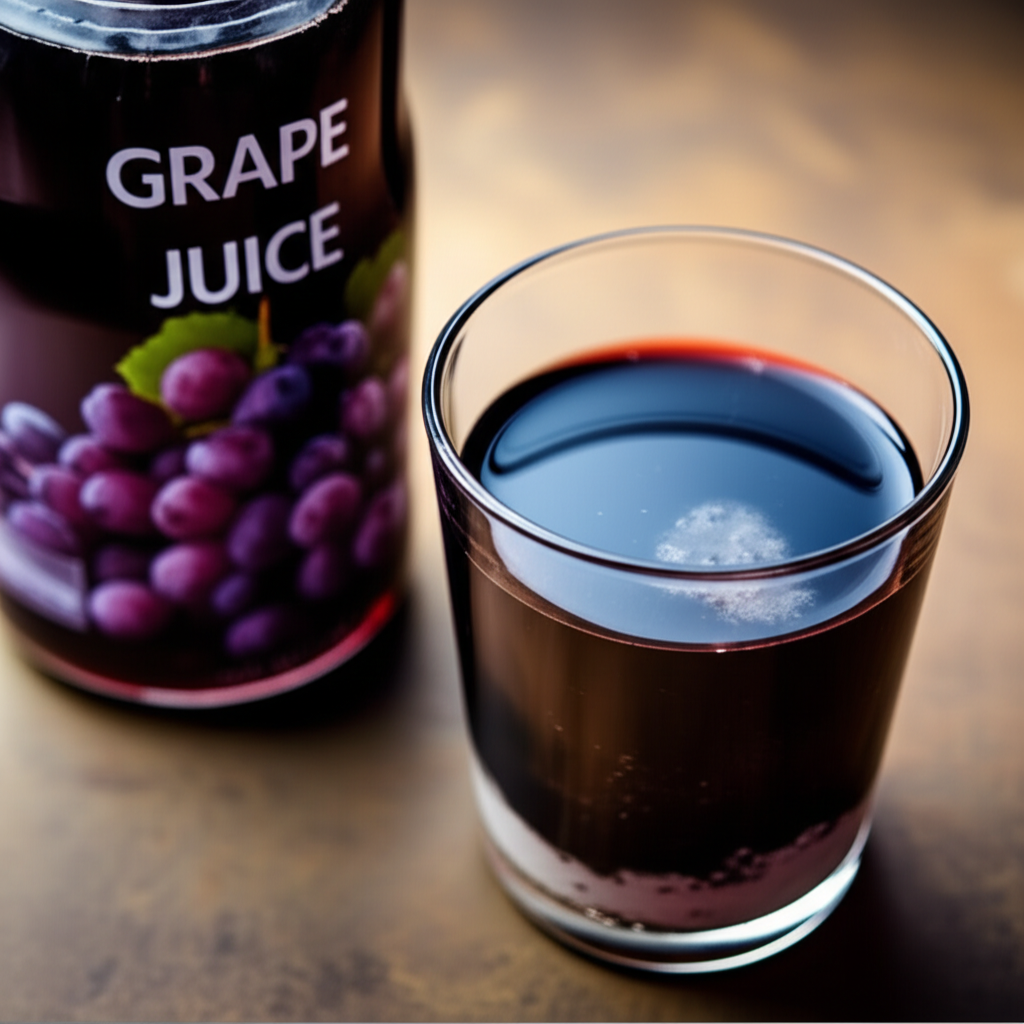
Several factors contribute to grape juice’s eventual decline:
- Microbial Growth: Even with pasteurization, some hardy yeasts or bacteria can survive or enter the juice after opening. These microorganisms feast on the sugars, leading to fermentation, off-flavors, and potential spoilage.
- Oxidation: Exposure to air causes the juice to oxidize. This process can alter its flavor, color, and nutritional content, leading to a stale or “off” taste.
- Enzyme Activity: Natural enzymes present in the grapes can continue to break down components in the juice over time, affecting its quality.
- Contamination: Improper storage or handling can introduce new bacteria or mold, accelerating spoilage.
Spotting the Signs: How to Tell If Grape Juice Has Gone Bad
Your senses are your best guide when it comes to determining if grape juice is still safe to drink. Look, smell, and even taste (cautiously!) for these tell-tale signs:
Visual Clues: What to Look For
Before you even pop the cork, give your grape juice a good look:
- Cloudiness: While some 100% grape juices are naturally a bit cloudy, a sudden or excessive cloudiness in clear juice, or a change in the consistency of cloudy juice, can indicate microbial activity.
- Mold or Sediment: Any visible mold growth, especially around the rim of the bottle or cap, is a definite sign of spoilage. An unusual or excessive amount of sediment at the bottom can also be a warning sign, though a small amount of natural sediment in unfiltered juice is normal.
- Discoloration: A significant change in the juice’s color, such as darkening or browning, could indicate oxidation or spoilage.
- Bulging Cap or Bottle: If the cap on a sealed bottle looks like it’s bulging outwards, it could mean gases have been produced by fermentation, indicating spoilage. This is a serious sign and should be handled with extreme caution.
The Smell Test: Trust Your Nose
Your nose knows! If the juice has gone bad, it will likely smell off:
- Fermented Aroma: The most common sign is a smell that resembles alcohol or vinegar. This is due to yeast or bacteria fermenting the sugars.
- Sour or Musty Odor: Any sour, vinegary, or generally unpleasant smell is a red flag.
- Absence of Fresh Scent: If the juice just smells flat, stale, or lacks its usual fruity aroma, it might have oxidized and lost its quality.
Taste Test (Use with Caution!)
If the visual and smell tests don’t raise immediate alarms, a tiny sip can confirm:
- Sour or Fizzy Taste: A sour, vinegary, or unexpectedly fizzy taste (unless it’s carbonated grape juice) is a strong indicator of spoilage.
- Off-Flavors: Any taste that is different from the expected grape flavor, such as metallic, bitter, or just plain “wrong,” means it’s time to discard it.
Grape Juice Shelf Life: Unopened vs. Opened
The lifespan of your grape juice differs significantly depending on whether the bottle has been opened.
Unopened Grape Juice
Commercially produced grape juice is typically pasteurized and sealed, giving it a long shelf life. However, this doesn’t mean it’s indestructible.
- Best By/Expiration Date: Always check the “Best By,” “Use By,” or “Expiration Date” printed on the packaging. This date is a good indicator of when the juice is at its peak quality, though it may still be safe to consume for a short period after.
- Storage Conditions: Unopened grape juice should be stored in a cool, dark place, away from direct sunlight and extreme temperatures. Fluctuations in temperature can degrade quality and potentially compromise the seal.
- Estimated Shelf Life: Properly stored, unopened grape juice can last for 12-18 months past the production date, and often a few months past the “Best By” date if stored correctly. However, quality will degrade over time.
Opened Grape Juice
Once the seal is broken, the clock starts ticking much faster. Exposure to air and potential contaminants dramatically reduces its shelf life.
- Refrigeration is Key: Always refrigerate opened grape juice immediately.
- Sealing is Important: Ensure the bottle or container is tightly sealed after each use. This minimizes exposure to air and prevents the absorption of odors from the refrigerator.
- Estimated Shelf Life: Opened and properly refrigerated grape juice typically lasts for 7-10 days. Some sources suggest up to 14 days, but it’s best to err on the side of caution, especially if you notice any changes in appearance or smell.
Here’s a handy table to summarize:
| Type of Grape Juice | Storage | Estimated Shelf Life |
|---|---|---|
| Unopened | Cool, dark, dry place | 12-18 months past production; often good for a few months past “Best By” date if stored well. |
| Opened | Refrigerated and tightly sealed | 7-10 days |
Storing Grape Juice for Maximum Freshness
Proper storage is your secret weapon against premature spoilage. Whether you’ve just bought a bottle or have one open in the fridge, follow these tips:
Storing Unopened Bottles
Keep your unopened grape juice in its prime by following these simple storage guidelines:
- Cool and Dark: Find a spot in your pantry or cupboard that is consistently cool and dark. Avoid areas near heat sources like ovens, stoves, or direct sunlight.
- Stable Temperature: Try to maintain a stable temperature. Frequent temperature swings can affect the juice’s quality.
- Upright Storage: Store bottles upright to prevent potential leaks and reduce the surface area of the cap exposed to air, which can degrade the seal over time.
Storing Opened Bottles
Once opened, your grape juice needs a little more attention to stay fresh and safe:
- Immediate Refrigeration: As soon as you open a bottle, pop it straight into the refrigerator. Don’t leave it sitting out on the counter.
- Tightly Seal: This is crucial! Make sure the cap is screwed on as tightly as possible. If the original cap is lost or damaged, transfer the juice to an airtight container or use a bottle stopper.
- Keep it Upright: Just like unopened bottles, store opened ones upright in the fridge.
- Avoid Odor Absorption: Keep the grape juice away from strong-smelling foods in the refrigerator, as it can absorb those odors and affect its taste.
- First In, First Out (FIFO): When you have multiple bottles, try to use the oldest one first. This helps prevent items from getting lost in the back of the fridge and expiring.
Can You Freeze Grape Juice?
Yes, you absolutely can freeze grape juice! Freezing is an excellent way to extend its shelf life significantly, though it might slightly alter its texture upon thawing.
How to Freeze Grape Juice
- Choose the Right Container: Use freezer-safe containers or bags. Leave some headspace at the top of the container, as the liquid will expand when frozen.
- Portioning: Consider freezing the juice in smaller portions, like ice cube trays or small containers, for easy thawing of just what you need.
- Labeling: Don’t forget to label your containers with the date and type of juice.
Thawing Frozen Grape Juice
To thaw, move the frozen juice from the freezer to the refrigerator and let it thaw slowly. Once thawed, give it a good shake or stir, as separation may occur.
Frozen grape juice can last for 6-12 months in the freezer. For more information on food storage and safety, the USDA Food Safety and Inspection Service is a great resource.
Grape Juice and Specific Health Needs
Grape juice can be a beneficial part of a diet for many, but its suitability can vary depending on specific health conditions. For instance, during wisdom teeth recovery, the smooth texture and hydration are great, but the acidity might be a concern for some.
For individuals managing conditions like acid reflux or GERD, the acidity of grape juice might be problematic. It’s often recommended to opt for lower-acid fruits or juices, or to consume grape juice in moderation and monitor symptoms. Always consult with a healthcare professional for personalized dietary advice regarding specific health conditions. The American College of Gastroenterology provides helpful information on dietary management for GERD.
Frequently Asked Questions About Grape Juice Spoilage
Q1: Can unopened grape juice still go bad?
A1: Yes, even unopened grape juice can go bad over time, especially if it’s past its “Best By” date or has been stored improperly (e.g., in extreme heat). While pasteurization extends its life, it’s not immune to quality degradation or spoilage.
Q2: How long does opened grape juice last in the fridge?
A2: Properly refrigerated and tightly sealed, opened grape juice typically lasts for about 7 to 10 days. Always check for signs of spoilage before consuming.
Q3: What does it mean if my grape juice is fizzy?
A3: If your grape juice is fizzy and it’s not a carbonated product, it usually indicates that fermentation has begun. Yeast or bacteria have started consuming the sugars and producing carbon dioxide gas, meaning the juice has likely spoiled.
Q4: Can I drink grape juice that has a little mold on top?
A4: No, it’s not safe to drink grape juice with mold. Mold can produce toxins that can spread throughout the liquid, even if you can’t see them. It’s best to discard any juice showing signs of mold.
Q5: Does the type of grape juice matter for shelf life?
A5: Generally, the process of pasteurization is the primary factor for shelf stability in commercial juices. However, natural or fresh-pressed juices without preservatives or pasteurization will have a much shorter shelf life, even when refrigerated.
Q6: What happens if I drink spoiled grape juice?
A6: Drinking spoiled grape juice can lead to foodborne illness, causing symptoms like nausea, vomiting, diarrhea, and stomach cramps. It’s always best to discard any juice that shows signs of spoilage to avoid getting sick.
Conclusion: Enjoy Your Grape Juice Safely!
So, the mystery is solved: grape juice can indeed go bad, but with a little knowledge and care, you can enjoy its delightful flavor without worry. By paying attention to those “Best By” dates, storing your bottles correctly (cool, dark, and sealed!), and trusting your senses to spot any signs of spoilage, you’re well-equipped to keep your grape juice fresh and delicious. Remember, refrigeration is your best friend once that bottle is opened. Whether you’re sipping it for hydration, a sweet treat, or as part of a healthy routine, knowing how to keep your grape juice in tip-top shape ensures every glass is a safe and enjoyable one. Happy sipping!
