
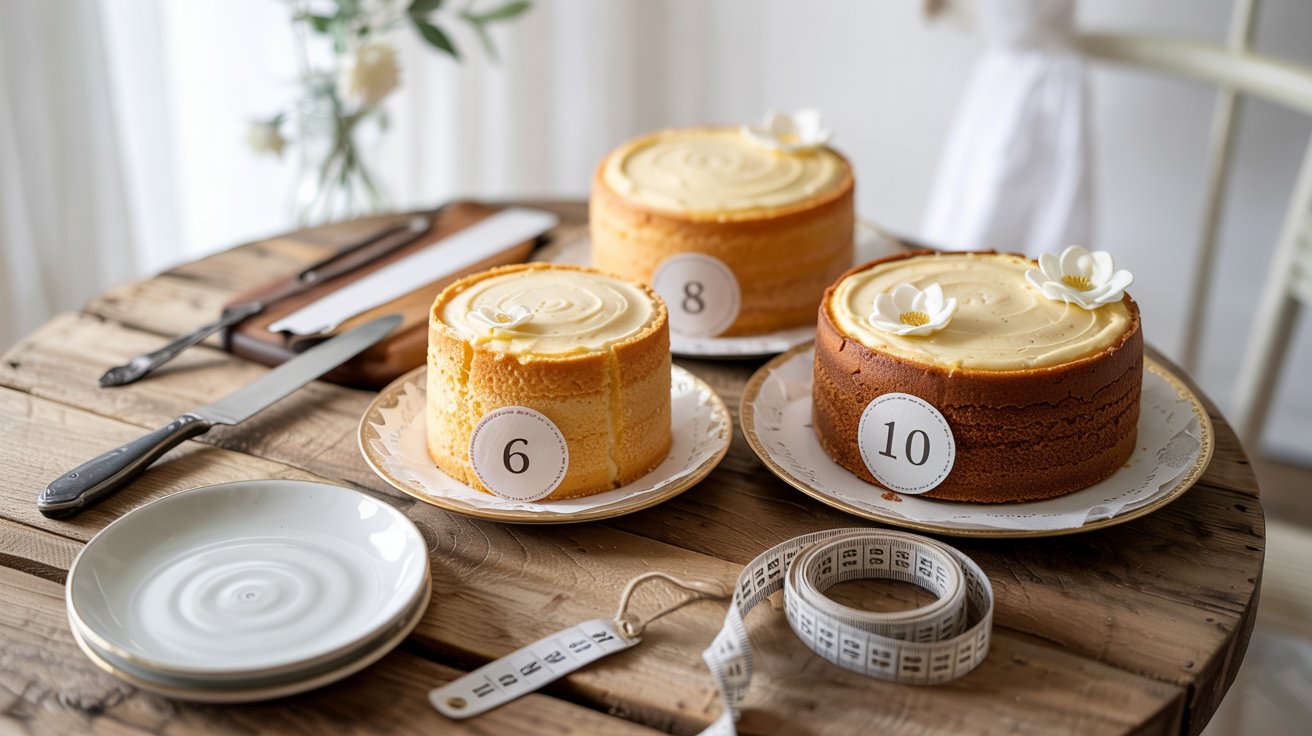
Are you planning to bake the perfect butter cake but unsure about which size to choose? Getting the size right can make all the difference in your baking success.
Whether you’re preparing for a small family dessert or a big celebration, knowing the exact dimensions and servings each cake size offers will save you time and stress. This Butter Cake Size Chart is designed just for you—to help you pick the ideal cake size that matches your needs perfectly.
Keep reading, and you’ll never have to guess again!
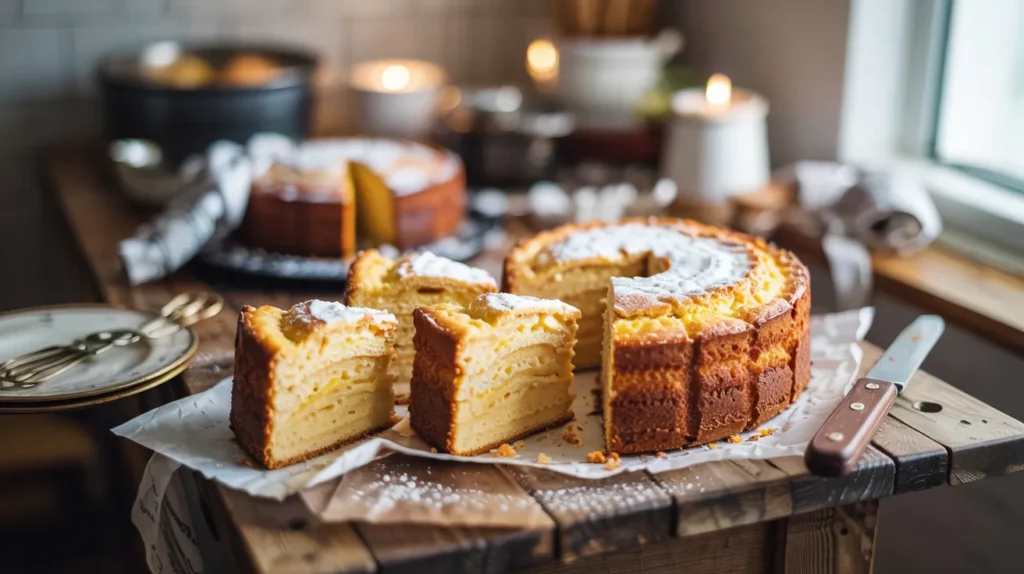
Butter Cake Basics
Butter cake is a classic favorite in many homes and bakeries. Its rich, creamy texture comes from using butter as the main fat. This cake is simple to make and offers a tender crumb that melts in your mouth.
Understanding the basics of butter cake helps you bake it perfectly every time. Knowing the ingredients and shapes can guide your baking choices and portion sizes.
Key Ingredients
Butter is the star ingredient in butter cake. It gives the cake its soft and moist texture. Sugar adds sweetness and helps the cake brown nicely. Eggs provide structure and richness. Flour is the base that holds everything together. Milk or cream adds moisture and makes the cake tender. Baking powder or baking soda helps the cake rise and become fluffy.
Common Cake Shapes
Butter cakes come in many shapes. Round pans are popular for birthdays and celebrations. Square pans work well for layered cakes or bars. Loaf pans make dense, sliceable cakes perfect for snacks. Bundt pans give a decorative ring shape that looks elegant. Each shape affects baking time and portion size.
Standard Cake Sizes
Butter cake size charts show common cake dimensions for baking and serving. Knowing standard sizes helps with planning portions and baking times. These charts list popular pan sizes and their typical capacities.
? Butter Cake Size Chart
| Cake Size | Shape | Servings (Approx.) | Best For |
|---|---|---|---|
| 6-inch | Round | 6–8 servings | Small family desserts, intimate celebrations |
| 8-inch | Round | 12–16 servings | Birthdays, medium gatherings |
| 9-inch | Round | 18–22 servings | Parties, office events |
| 10-inch | Round | 20–25 servings | Large family gatherings, celebrations |
| 8×8 inch | Square | 12–16 servings | Home events, easy slicing |
| 9×13 inch | Rectangle | 20–24 servings | Parties, potlucks, buffet tables |
| 12×18 inch | Sheet Cake | 40–50 servings | Weddings, big functions, corporate events |
Round Cake Dimensions
Round cakes are the most popular choice for butter cakes. They come in many sizes, from small 6-inch cakes to large 12-inch cakes. A 6-inch round cake usually serves about 8 people. An 8-inch round cake can serve 12 to 16 people. A 10-inch cake serves around 20 to 25 guests. The 12-inch round cake is ideal for big parties and can serve 30 or more.
The height of a standard round cake is about 2 to 4 inches. This size gives enough space for layers and frosting. Bakers often use these sizes for birthdays, weddings, and other celebrations.
Square And Rectangle Options
Square and rectangular butter cakes offer a modern look. Square cakes come in sizes like 8×8 inches or 10×10 inches. They serve a similar number of guests as round cakes of the same size. Rectangular cakes vary more in size, such as 9×13 inches or larger sheet cakes.
A 9×13 inch rectangle cake serves about 20 to 24 people. Larger sheet cakes, like 12×18 inches, serve 40 or more. These shapes make cutting and serving easier. They also fit well on buffet tables or dessert trays.
Portion Sizes And Servings
Understanding the right portion sizes helps serve butter cake perfectly. It ensures every guest enjoys a fair share of the cake. Portion sizes depend on the cake’s shape and layers. Knowing the servings helps plan the event better. It avoids both waste and shortage of cake slices.
Single Layer Portions
Single layer butter cakes come in many sizes. Common sizes include 8-inch and 9-inch rounds. An 8-inch single layer cake usually serves 8 to 12 people. A 9-inch cake can serve about 12 to 16 people. Each slice is usually cut 1 to 2 inches wide. This size offers a nice balance between portion and taste. Cut the cake into squares or wedges based on preference.
Multi-layer Cake Portions
Multi-layer butter cakes provide more servings due to extra layers. A typical two-layer 8-inch cake serves 16 to 20 people. A three-layer 9-inch cake can serve 24 to 30 people. Layers add height and make the cake more filling. Cut the cake into smaller slices than single layers. This way, everyone gets a satisfying bite without waste.
Sizing For Special Occasions
Choosing the right butter cake size is key for special events. The size affects how many guests enjoy the cake. It also impacts the presentation and the overall celebration mood. Understanding the ideal size helps avoid waste or running short.
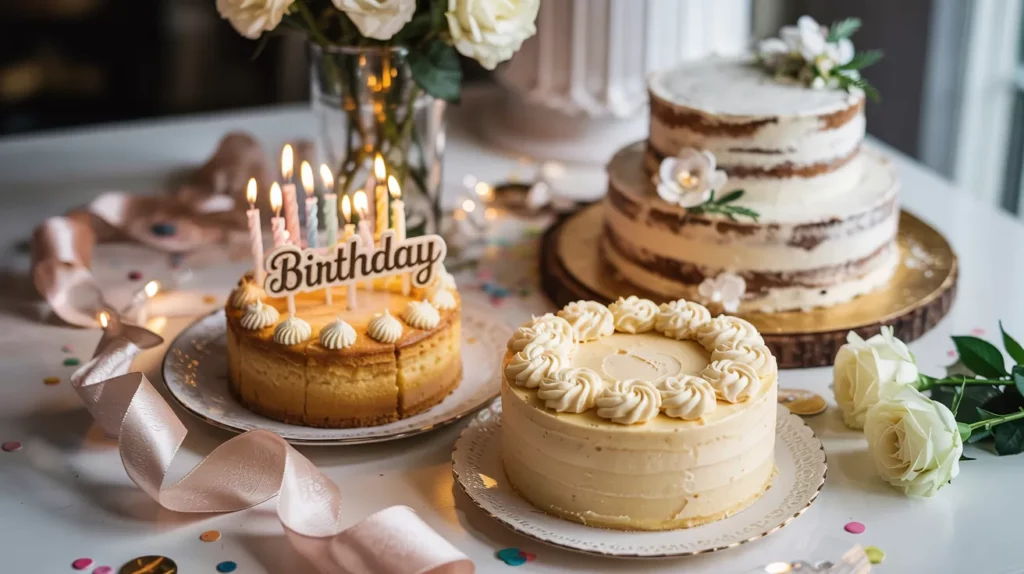
Different occasions need different cake sizes. The number of guests and the event type guide the selection. Each occasion has unique needs for cake servings and design.
Birthday Cakes
Birthday cakes come in many sizes. Small cakes suit intimate gatherings up to 10 people. Larger cakes serve big parties of 20 or more. A good rule: one slice per guest. Choose a size that matches your guest count exactly.
Wedding Cakes
Wedding cakes usually need more servings. They often have multiple tiers for a grand look. Each tier can serve 20 to 50 slices. Total servings depend on guest count and cake design. Plan carefully to serve all attendees with enough cake.
Party Cakes
Party cakes vary by event type and size. Casual parties need medium-sized cakes for 15 to 30 people. Formal parties may require bigger cakes or multi-tier options. Know your guest number and event style before choosing the size.
Adjusting Cake Size
Adjusting the size of a butter cake can help you serve the right number of guests. It also ensures that the cake fits your occasion perfectly. Changing the size involves more than just picking a bigger or smaller pan. You must also adjust the recipe and cutting method for best results.
Scaling Recipes
Scaling a butter cake recipe means changing ingredient amounts to match your pan size. Use a cake size chart to find the right pan volume. Multiply or divide each ingredient by the same factor. Keep baking time and temperature in mind. Larger cakes may need more time, smaller ones less. Check doneness by inserting a toothpick in the center.
Cutting Tips For Even Portions
Cutting an evenly sized butter cake is simple with a few tricks. Start by marking the top lightly with a knife or toothpick. Use a ruler or string to measure equal sections. Cut straight down with a sharp knife. Clean the knife between cuts for clean edges. Serving equal pieces ensures everyone gets a fair share.
Tools For Measuring And Cutting
Measuring and cutting butter cake accurately needs the right tools. These tools help bakers create even portions and maintain the cake’s shape. Using proper tools also saves time and reduces waste. This section covers essential tools for measuring and cutting butter cake.
Cake Pans And Molds
Cake pans come in different sizes and shapes. Choosing the right pan affects the cake’s size and thickness. Round, square, and rectangular pans are common choices. Molds add creative shapes to butter cakes. Silicone molds offer easy release and simple cleaning. Metal pans provide even heat for baking. Always pick a pan size that matches your recipe for best results.
Portioning Tools
Portioning tools help cut the cake into equal pieces. Cake slicers with adjustable wires create uniform slices. A ruler or measuring tape can mark cutting points. Cake knives with serrated edges cut smoothly without crumbling. Using portioning tools ensures every slice looks neat and professional. It helps serve the right size to each guest.
Common Mistakes To Avoid
Choosing the right butter cake size can be tricky. Many make common mistakes that lead to wasted cake or unhappy guests. Avoid these errors to serve the perfect portion every time.
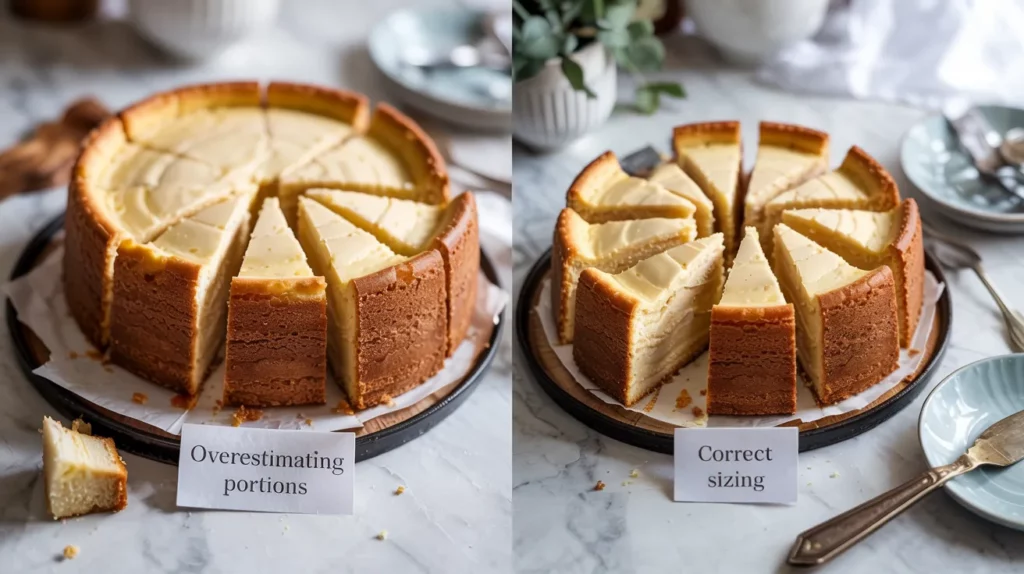
Overestimating Portions
People often think cake slices should be larger than needed. This causes baking bigger cakes than necessary. Larger cakes mean more leftovers or food waste. Cutting smaller, even slices saves cake and satisfies guests. Use the size chart to get the right portion count.
Ignoring Cake Shape Impact
Cake shape affects how many slices you get. Round cakes and square cakes serve differently. A 9-inch round cake serves fewer people than a 9-inch square one. Rectangular cakes also differ in slice count. Always consider the cake shape when choosing size to avoid surprises.
Tips For Storing Leftover Cake
Storing leftover butter cake properly keeps it fresh and tasty for days. Leftover cake can dry out or absorb odors if not stored right. Simple storage tips help maintain its softness and flavor. Follow these tips to enjoy your cake longer.
Freezing Techniques
Freezing is a great way to save leftover butter cake. Wrap the cake tightly with plastic wrap. Then cover it with aluminum foil or place it in an airtight container. This prevents freezer burn and keeps moisture in. Freeze the cake in small portions for easy thawing. Thaw the cake slowly in the fridge before eating.
Maintaining Freshness
Store leftover butter cake in an airtight container at room temperature. Keep the cake away from heat and sunlight. Use wax paper between layers to avoid sticking. Consume the cake within 2 to 3 days for best taste. For longer storage, refrigerate but expect slight dryness. Let refrigerated cake come to room temperature before serving.
Frequently Asked Questions
What Are Standard Butter Cake Sizes?
Standard butter cake sizes include 6-inch, 8-inch, and 9-inch round pans. Square and rectangular pans are also common. Each size yields different servings, helping you plan portions accurately.
How Many Servings Does A Butter Cake Size Provide?
A 6-inch cake serves about 8 people. An 8-inch cake serves 12-16 people. A 9-inch cake serves 20 or more, depending on slice size.
Which Butter Cake Size Suits A Small Gathering?
For small gatherings, a 6-inch cake is ideal. It serves around 8 people and is easy to store and serve.
Can I Use Different Pan Shapes For Butter Cake?
Yes, butter cake can be baked in round, square, or rectangular pans. Adjust baking time slightly for different shapes and depths.
Conclusion
Choosing the right butter cake size matters for every event. This chart helps pick sizes that fit your needs. Smaller cakes work well for few people. Larger cakes serve bigger groups easily. Use this guide to plan your baking better.
Enjoy baking and sharing your perfect butter cake!
