
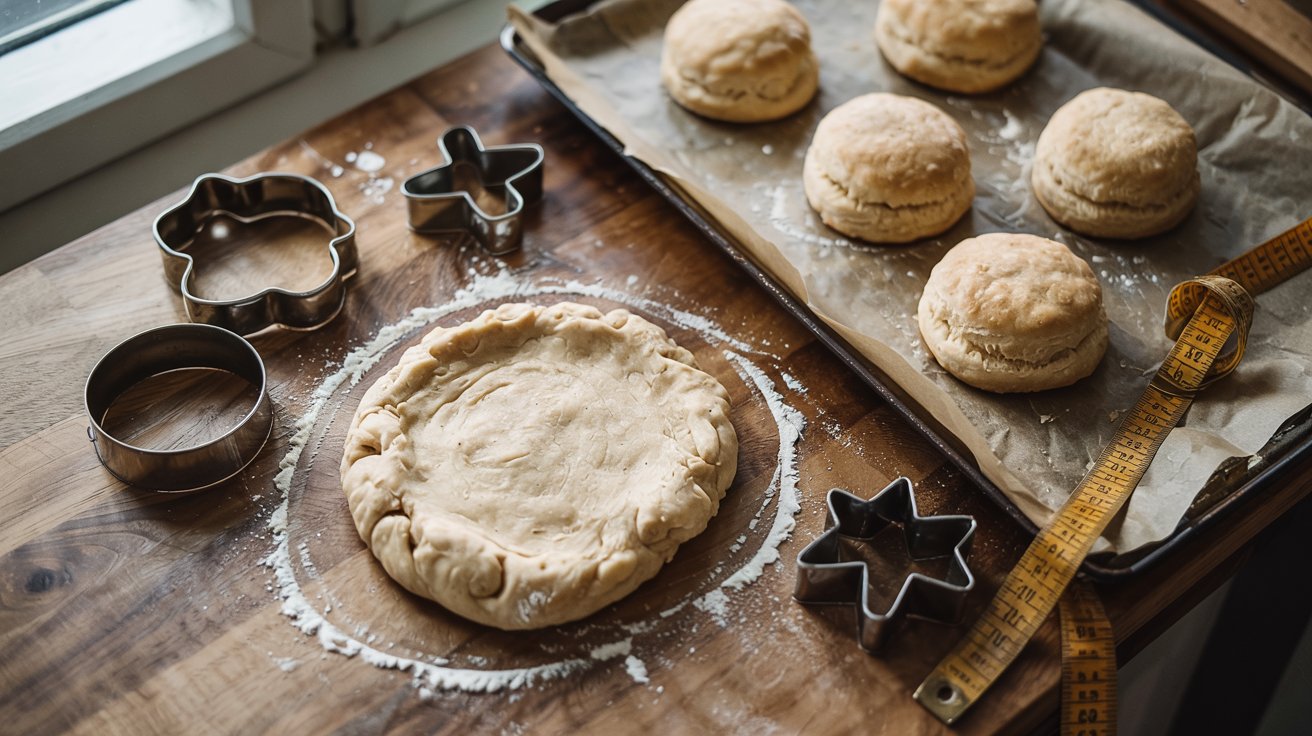
Are you tired of guessing the right biscuit pastry size for your recipes? Getting the perfect size can make all the difference in taste, texture, and presentation.
Whether you’re baking for family or preparing treats for a special event, knowing the exact biscuit pastry size helps you create consistent and delicious results every time. In this guide, you’ll find an easy-to-follow biscuit pastry size chart that takes the guesswork out of baking.
Keep reading to discover how the right measurements can transform your baking skills and impress everyone who takes a bite.
Common Biscuit Sizes
Biscuit sizes vary widely depending on recipe and purpose. Understanding common biscuit sizes helps with baking and packaging. Size affects cooking time, texture, and presentation.
Most biscuits fit into a few standard diameter and thickness categories. These sizes suit different tastes and uses. Knowing these helps choose the right biscuit for your needs.
Standard Diameters
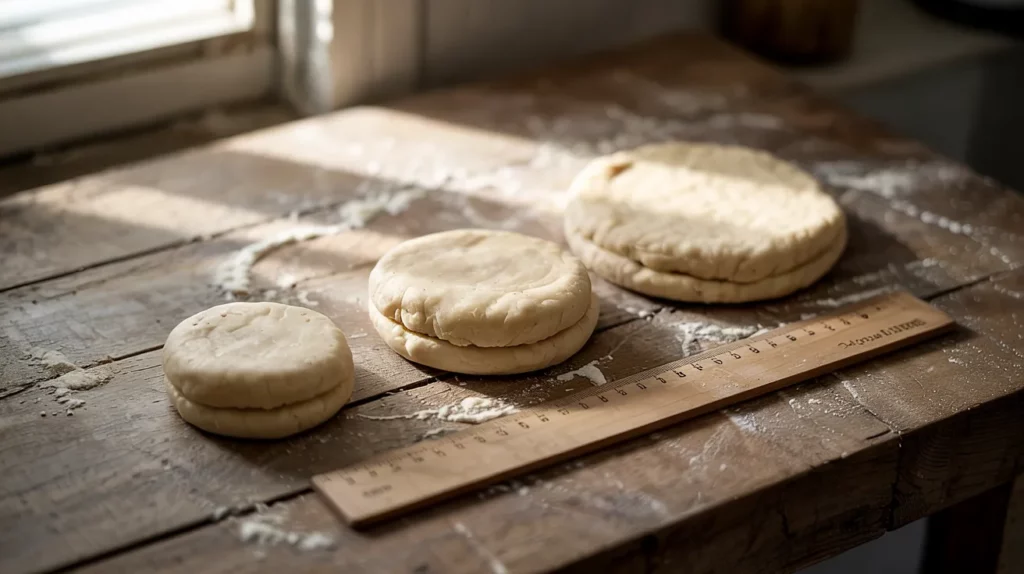
Common biscuit diameters range from 2 to 4 inches. Smaller biscuits, around 2 inches, work well for snacks or tea time. Medium sizes, about 3 inches, are popular for everyday baking. Larger biscuits, close to 4 inches, suit sandwiches or breakfast plates. Consistent diameter ensures even baking and good appearance.
Thickness Variations
Thickness varies from 0.25 inches to over 1 inch. Thin biscuits, less than 0.5 inches, bake quickly and become crisp. Thicker biscuits, around 0.75 to 1 inch, stay soft inside and have a fluffy texture. Thickness affects cooking time and texture balance. Adjust thickness to match desired biscuit style.
Pastry Size Essentials
Knowing the right size for biscuit pastries is important. It helps you bake evenly and get the perfect texture. Sizes affect baking time and how the pastry looks.
Choosing the correct size can save you time and improve your recipe results. It also helps when you want to follow or share recipes accurately.
Typical Pastry Dimensions
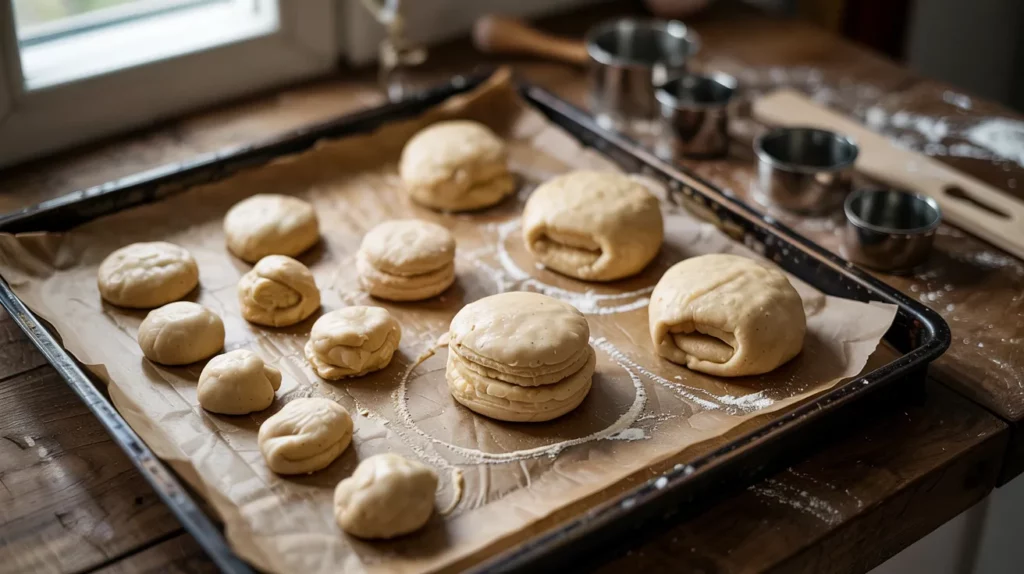
Biscuit pastries often come in standard sizes. Common diameters are 2 inches, 3 inches, and 4 inches. Thickness usually ranges from 1/4 inch to 1/2 inch.
Small sizes work well for snacks or appetizers. Larger sizes suit main dishes or desserts. Knowing these dimensions helps with portion control and presentation.
Adjusting Sizes For Recipes
Recipes may call for different pastry sizes. You can cut larger dough pieces to smaller shapes as needed. Adjust baking time when you change size.
Smaller pastries bake faster and may need less heat. Larger ones take longer and need careful watching to avoid burning. Size changes affect filling amounts too.
Choosing The Right Size
Choosing the right biscuit pastry size matters for great baking results. The size affects taste, texture, and baking time. Picking the correct size helps make biscuits that are soft, crispy, or just right. It also controls how evenly the biscuit cooks.
Factors Influencing Size Choice
Think about who will eat the biscuits. Small sizes suit snacks or tea time. Larger biscuits work for a full meal or sharing. Consider oven space and baking trays. Some ovens bake better with smaller or fewer biscuits. Also, the recipe may suggest a size for best results.
Impact On Baking Time And Texture
Smaller biscuits bake faster and often turn crispy. Larger biscuits need more time and stay soft inside. Baking time changes with thickness too. Thicker biscuits take longer to cook all the way. The right size keeps the texture just right — not dry, not doughy.
Measuring Tools And Techniques
Measuring biscuit pastry size is key for consistent baking results. Proper tools help ensure each biscuit matches your recipe’s size needs. Simple tools and careful methods make measuring easy and accurate. This section explains common tools and techniques to measure biscuit pastry size.
Using Rulers And Calipers
Rulers are basic tools for measuring biscuit dough size. Place the ruler across the dough to check its diameter or length. Use clear, marked rulers for better accuracy. Calipers offer precise measurement of thickness or diameter. They measure both inside and outside dimensions. Calipers help keep biscuit thickness even across batches. Handle calipers gently to avoid squashing the dough.
Templates And Cutters
Templates guide the shape and size of biscuits. Use cardboard or plastic templates to trace dough outlines. This method keeps biscuit sizes uniform. Biscuit cutters come in various shapes and sizes. Press cutters firmly into the dough for clean edges. Cutters save time and reduce size variation. Choose cutters that match your recipe’s size chart for best results.
Scaling Recipes Accurately
Scaling recipes accurately is key to baking perfect biscuits every time. Changing the size or quantity of biscuits means adjusting the recipe carefully. Small mistakes in ingredient amounts can affect taste and texture. Accurate scaling saves ingredients and keeps your biscuits consistent.
Adjusting Ingredient Amounts
Start by measuring the original recipe’s ingredients. Multiply or divide each ingredient based on the new batch size. Use a kitchen scale for precise measurement. Avoid guessing quantities to prevent biscuit failures. Keep notes of changes for future reference. Adjust liquids and dry ingredients separately for balance.
Maintaining Proportions
Proportions matter as much as ingredient amounts. Keep the ratio of flour to fat and liquid the same. This ensures dough consistency and biscuit rise. If one ingredient changes too much, biscuits may be dense or dry. Use a biscuit pastry size chart to guide proportion adjustments. Consistent proportions create uniform biscuits in size and taste.
Size Chart For Popular Biscuits
Understanding biscuit sizes helps in baking and serving the right portions. Different biscuits come in various sizes and shapes. A size chart makes it easy to choose the perfect biscuit for recipes or snacks.
Below is a size chart for some popular biscuits. It includes common measurements and typical shapes.
? Biscuit Pastry Size Chart
| Biscuit Type | Common Diameter / Size | Typical Thickness | Best Use |
|---|---|---|---|
| Small Biscuits | 2 inches (5 cm) | 0.25–0.4 inch | Tea-time snacks, bite-size treats |
| Medium Biscuits | 3 inches (7.5 cm) | 0.4–0.6 inch | Everyday biscuits, shortbread, butter cookies |
| Large Biscuits | 4 inches (10 cm) | 0.5–1 inch | Breakfast biscuits, sandwich biscuits |
| Digestive Biscuit | 7–8 cm | ~0.5 cm | Tea snacks, dessert bases (cheesecakes) |
| Shortbread | 5–6 cm (round or finger) | 0.4–0.7 cm | Crumbly, buttery biscuits |
| Butter Cookies | 4–7 cm | 0.3–0.6 cm | Festive cookies, decorative biscuits |
Digestive Biscuits
Digestive biscuits usually measure about 7 to 8 cm in diameter. They are round and flat. This size works well for tea-time snacks and dessert bases. The thickness is around 0.5 cm, giving a firm texture.
Shortbread Biscuits
Shortbread biscuits are often smaller, about 5 to 6 cm wide. They come in various shapes like rounds, fingers, or squares. Their thickness ranges from 0.4 to 0.7 cm. The size helps them bake evenly and stay crumbly.
Butter Cookies
Butter cookies vary between 4 and 7 cm in size. They usually have delicate designs and smooth edges. Thickness is about 0.3 to 0.6 cm. This size allows a crisp bite and rich buttery flavor.
Tips For Consistent Biscuit Sizes
Keeping biscuit sizes consistent helps them bake evenly and look great. Small size differences can cause some biscuits to burn while others stay raw. Using the right techniques makes size control easy and improves the final result.
These tips focus on rolling dough and cutting biscuits. Both steps matter for uniform biscuits every time.
Dough Rolling Techniques
Roll dough to an even thickness. Use a rolling pin with thickness guides if available. This stops some parts from being thicker or thinner. Work on a flat surface to keep dough steady. Chill dough before rolling to avoid sticking. Roll gently to keep dough soft and airy.
Even Cutting Methods
Use a sharp cutter for clean edges. Press straight down without twisting to keep shape. Cut biscuits close together to use all dough. Wipe cutter between cuts to stop dough from sticking. Place cut biscuits close but not touching on the baking tray. This helps them keep shape while baking.
Frequently Asked Questions
What Are Standard Biscuit Pastry Sizes?
Standard biscuit pastry sizes range from 2 to 4 inches in diameter. These sizes suit most baking needs. Smaller sizes are ideal for snacks, while larger ones work for desserts or sandwiches. Choosing the right size affects baking time and texture.
How To Measure Biscuit Pastry Size Accurately?
Use a ruler or measuring tape to measure diameter. Measure from one edge straight across the center to the opposite edge. For rectangular pastries, measure length and width. Accurate measurement ensures consistent baking and presentation.
Why Is Biscuit Pastry Size Important?
Biscuit pastry size affects baking time and texture. Larger biscuits take longer to bake and may be softer inside. Smaller ones bake faster and are crispier. Size also influences portion control and presentation in recipes.
Can Biscuit Pastry Sizes Vary By Recipe?
Yes, biscuit pastry sizes vary depending on recipe type and purpose. Some recipes call for small bite-sized biscuits, others for large, flaky ones. Adjust size to suit cooking method and serving style for best results.
Conclusion
Knowing the right biscuit pastry sizes helps in baking perfect treats. It saves time and avoids confusion while choosing dough or cutters. Sizes affect baking time and texture too. Use this chart as a quick guide for your recipes. Enjoy baking with confidence and create delicious biscuits every time.
Keep this size chart handy for easy reference. Simple steps lead to better results in the kitchen. Happy baking!
