
Are you curious about how bananas come in different sizes and what those sizes really mean? Whether you’re shopping for the perfect banana, planning a recipe, or just want to understand more about this popular fruit, knowing the banana size chart can make a big difference.
This simple guide will help you easily identify the size categories and pick the right banana every time. Keep reading to discover the surprising facts about banana sizes and how they can affect your choices. Your next banana purchase might just become smarter and more satisfying!
Banana Size Categories
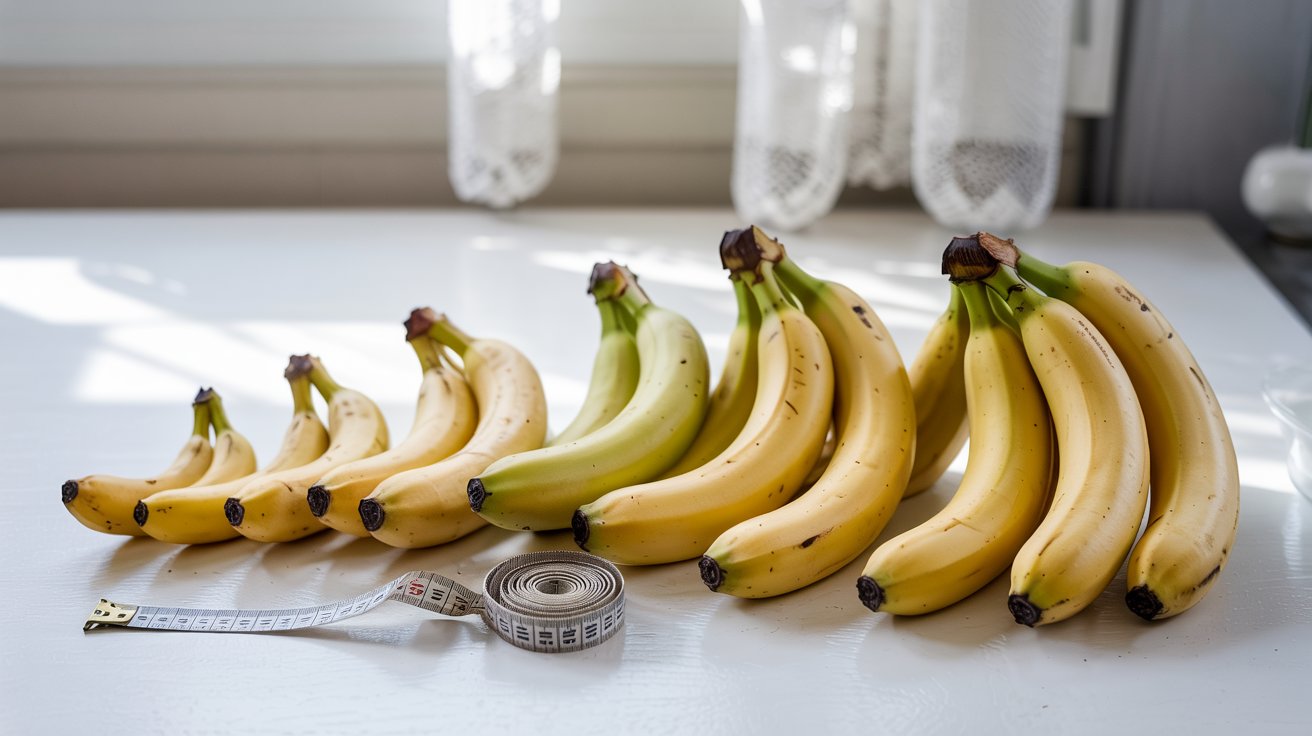
Bananas come in different sizes. Each size fits different needs and tastes. Knowing the size can help with cooking and snacking. The banana size chart divides bananas into clear categories. This makes choosing easier and more fun.
Mini Bananas
Mini bananas are small and sweet. They usually measure about 4 to 5 inches long. These bananas are perfect for kids and quick snacks. Their size makes them easy to carry anywhere. Mini bananas have a creamy texture and rich flavor.
Standard Bananas
Standard bananas are the most common type. They typically grow between 6 to 8 inches long. These bananas are good for everyday eating and recipes. They offer a balance of sweetness and firmness. Standard bananas fit well in fruit bowls and lunch boxes.
Extra Large Bananas
Extra large bananas are longer than 8 inches. They are great for sharing or making smoothies. These bananas have a thicker peel and softer inside. Their size makes them ideal for baking or freezing. Extra large bananas provide more energy per piece.
Banana Size Chart
| Banana Size | Length (inches) | Average Weight | Best Uses |
|---|---|---|---|
| Mini Bananas | 4 – 5 inches | 80–100 g | Kids’ snacks, lunch boxes, quick energy bites |
| Standard Bananas | 6 – 8 inches | 120–150 g | Everyday eating, smoothies, baking, oatmeal |
| Extra Large Bananas | 8+ inches | 150–200 g+ | Baking (banana bread), freezing, sharing, high-energy meals |
Measuring Banana Length
Measuring banana length helps to understand their size and variety better. It also guides buyers and sellers in choosing the right bananas. Accurate measurements improve fruit quality checks and packaging standards.
Tools For Accurate Measurement
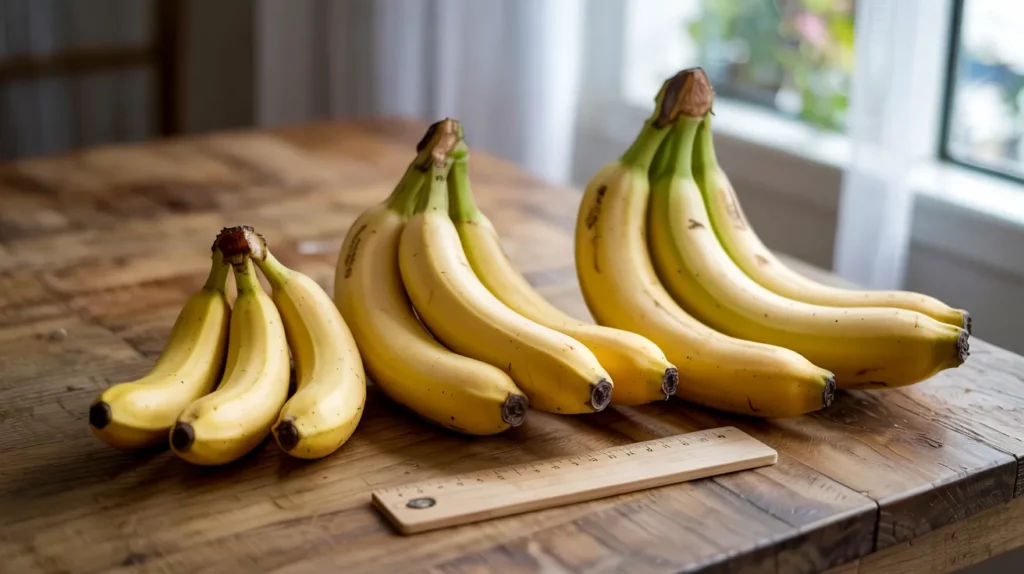
Use a ruler or measuring tape to measure bananas. Place the banana on a flat surface. Align the measuring tool from the stem to the tip. Avoid bending the banana for precise results. A digital caliper can also work for small bananas.
Average Lengths By Variety
Cavendish bananas usually measure 7 to 8 inches. Red bananas tend to be shorter, around 5 to 6 inches. Plantains are longer, often reaching 10 to 12 inches. Each variety has a typical size range for easy identification.
Banana Weight Ranges
Bananas come in various sizes and weights. Understanding their weight ranges helps in cooking, shopping, and nutrition. Each banana size fits a specific weight range. These ranges help estimate calories and portion sizes.
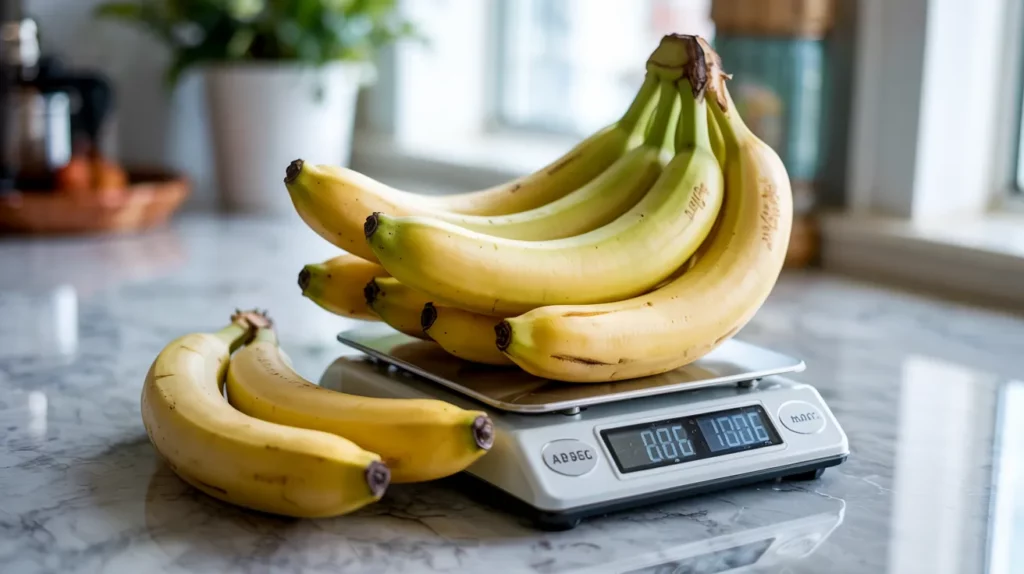
Weight can vary based on the banana’s length, thickness, and variety. Knowing the weight differences improves your choice for recipes or diet plans.
Weight Differences By Size
Bananas are usually classified as small, medium, or large. Small bananas weigh between 100 to 120 grams. Medium bananas range from 120 to 150 grams. Large bananas weigh over 150 grams.
Size affects the weight directly. Longer and thicker bananas weigh more. This range helps decide how many bananas to buy or eat.
Impact Of Ripeness On Weight
Ripeness changes the banana’s weight slightly. As bananas ripen, they lose water and become lighter. A green banana weighs more than a fully ripe one.
Overripe bananas may weigh less but contain more sugar. This affects texture and taste but not weight much. Weight changes are small but important for accurate measurement.
Popular Banana Varieties
Bananas come in many types. Each type has a unique size and shape. Knowing popular banana varieties helps you choose the right one. This guide shows three common banana types. It also shares their size details.
Understanding these varieties helps in cooking and snacking. You can pick bananas based on size and taste. Let’s explore the most popular banana types below.
Cavendish
Cavendish bananas are the most common worldwide. They are medium-sized and yellow when ripe. Their length usually ranges from 7 to 8 inches. They have a sweet taste and soft texture. People eat them fresh or in desserts. Cavendish bananas are easy to find in stores.
Red Bananas
Red bananas have a reddish-purple skin. They are shorter and plumper than Cavendish. Their size is about 6 to 7 inches long. The flesh is creamier and sweeter. Red bananas taste a little like berries. They are great for fresh eating and smoothies.
Plantains
Plantains look like large bananas but are starchy. They can grow 8 to 12 inches long. Plantains are not sweet when raw. People cook them before eating. They are common in many tropical dishes. Plantains are good for frying or boiling.
Factors Influencing Banana Size
Banana size varies widely. Several factors affect how big or small a banana grows. Understanding these helps predict the fruit’s size better. This knowledge benefits farmers and buyers alike.
Growing Conditions
Bananas need warm weather and plenty of water. Soil quality also impacts their growth. Rich, well-drained soil helps bananas grow larger. Poor soil or lack of water makes them smaller.
Harvesting Time
The time of harvest affects banana size. Picking bananas too early stops them from growing fully. Waiting too long can make them overripe and soft. Proper timing ensures the best size and taste.
Genetic Variations
Different banana types have different sizes naturally. Some varieties are small and sweet. Others grow long and thick. Genetics decide the basic size range of bananas.
Using The Size Chart For Recipes
Using a banana size chart helps in cooking and baking. Recipes often list bananas without size details. This can cause changes in taste or texture. A size chart guides you to use the right amount of banana. It ensures your recipe turns out well every time.
Knowing banana sizes helps adjust ingredients correctly. This is important for cakes, smoothies, and breads. The chart shows small, medium, and large sizes. You can measure bananas by weight or length. This makes your cooking more accurate and consistent.
Adjusting Ingredients By Banana Size
Banana size affects sweetness and moisture in recipes. Use the chart to find the banana’s weight. Replace the listed banana size with your actual banana. Adjust sugar or flour based on the banana size. This keeps the recipe balanced and tasty.
For example, a large banana weighs about 8 ounces. If you use a small one, add less flour or sugar. This prevents the dish from becoming too dry or too sweet. Adjusting ingredients by size improves the final result.
Portion Control Tips
Banana size charts help control portions easily. Use smaller bananas for smaller servings. This helps in managing calories and nutrition. For snacks or kids’ meals, choose bananas that fit the portion size.
Measure bananas with the chart to keep portions consistent. This avoids waste and overfeeding. Portion control leads to healthier eating habits. Use the chart to plan meals better and reduce food waste.
Storing Bananas To Maintain Size And Quality
Storing bananas properly helps keep their size and quality intact. Bananas continue to ripen after being picked. Proper storage slows down this process. It also prevents bruising and spoilage. This ensures the bananas stay fresh and tasty for longer.
Optimal Storage Methods
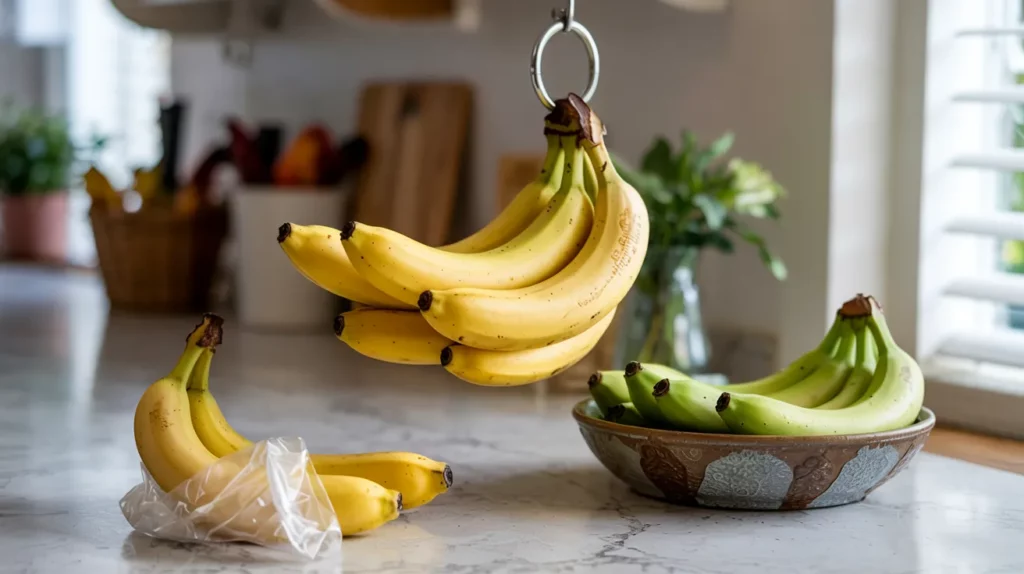
Keep bananas at room temperature away from direct sunlight. This stops them from ripening too fast. Hang bananas on a hook to avoid bruises. Wrap the stems with plastic wrap to reduce ethylene gas release. Separate ripe bananas from green ones to control ripening speed. Avoid storing bananas in sealed bags, which trap moisture and cause rot.
Effects Of Temperature
Temperature greatly affects banana size and quality. Cold temperatures slow ripening but can cause black spots. Avoid putting bananas in the fridge before they ripen. Once ripe, refrigeration can extend freshness for a few days. Warm temperatures speed up ripening and soften bananas quickly. Keep bananas in a cool, dry place for best results.
Frequently Asked Questions
What Are The Common Banana Sizes In The Market?
Bananas typically range from 6 to 9 inches long. Small bananas measure around 6 inches, while larger varieties can reach 9 inches or more. Size depends on the banana type and growing conditions.
How Is Banana Size Measured Accurately?
Banana size is measured by length from stem to tip. Weight and circumference can also indicate size but length is most common. Accurate measurement helps in grading and pricing bananas.
Why Does Banana Size Vary Among Different Types?
Banana size varies due to species and cultivation methods. Some varieties naturally grow larger, while others remain smaller. Climate and soil quality also influence banana growth size.
How To Use A Banana Size Chart Effectively?
A banana size chart helps classify bananas by length and weight. It aids buyers and sellers in selecting suitable bananas for use or sale. It ensures consistency and quality control.
Conclusion
Bananas come in many sizes, each with its own use. Knowing the size helps you choose the right banana for snacks or recipes. This chart makes it easy to pick the best one. Remember, size can affect taste and cooking time.
Use this guide to enjoy bananas better every day. Simple, clear, and helpful for all banana lovers.
