

Are you confused about choosing the right apple size for your needs? Whether you’re buying apples for cooking, snacking, or decorating, knowing the right size can make all the difference.
This Apple Size Chart will help you quickly understand the different sizes and what they mean. By the end of this article, you’ll feel confident picking the perfect apple every time. Keep reading to discover the simple guide that makes your apple shopping easier and smarter!
Apple Size Categories
Apples come in different sizes. This variety helps in choosing the right apple for different needs. Size affects cooking, snacks, and presentation. Understanding apple size categories makes shopping easier and smarter.
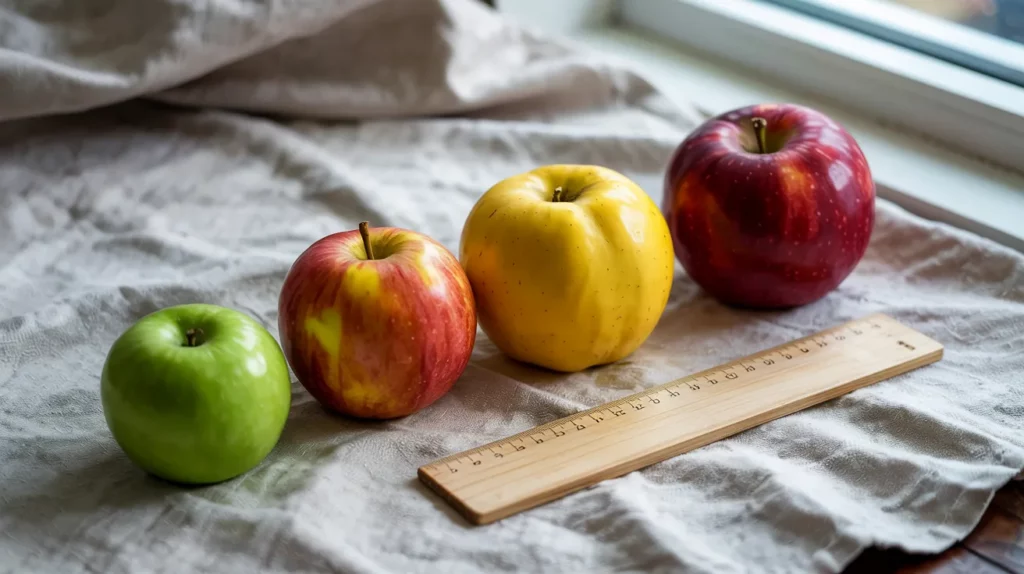
Small Apples
Small apples are easy to hold and eat. They usually weigh less than 3 ounces. Perfect for kids’ snacks or lunchboxes. Small apples have a sweet and crisp taste. Great for quick bites or decorating desserts.
Medium Apples
Medium apples weigh between 3 to 4 ounces. They are the most common size in stores. Good for eating fresh or cooking. Medium apples balance sweetness and tartness well. Ideal for pies, sauces, or salads.
Large Apples
Large apples weigh 4 to 5 ounces or more. They are juicy and filling. Great for baking or making cider. Large apples also work well for slicing and sharing. Their size adds a nice visual appeal on plates.
Extra Large Apples
Extra large apples weigh over 5 ounces. They are perfect for stuffing or roasting. Their size makes a bold statement in recipes. Often chosen for special occasions or gifts. These apples offer a rich flavor and firm texture.
? Apple Size Chart
| Apple Size Category | Diameter (inches) | Average Weight | Best Uses |
|---|---|---|---|
| Small Apples | 1.5 – 2.25″ | < 3 oz (85 g) | Kids’ snacks, lunchboxes, décor, quick bites |
| Medium Apples | 2.25 – 3″ | 3–4 oz (85–115 g) | Snacking, salads, pies, sauces |
| Large Apples | 3 – 3.75″ | 4–5 oz (115–140 g) | Baking, slicing, cider, sharing |
| Extra Large Apples | 3.75″ and above | 5+ oz (140+ g) | Stuffing, roasting, gift baskets, special dishes |
Measuring Apple Sizes
Measuring apple sizes helps to understand their variety and use. It makes choosing the right apple easier for cooking or eating fresh. Several methods show the size clearly and simply.
Diameter Measurement
Diameter is the distance across the apple’s widest part. Use a ruler or tape to measure it straight across. This number shows the apple’s size in centimeters or inches. It helps compare apples of different kinds.
Weight Measurement
Weight gives a good idea of the apple’s size and density. Use a kitchen scale to weigh the apple in grams or ounces. This method is quick and accurate for size checking. Weight also helps in cooking recipes.
Visual Size Comparisons
Visual comparisons use common objects to show apple size. For example, an apple might be the size of a tennis ball or a baseball. This makes it easy to imagine the apple’s size without tools. Pictures with objects help buyers and cooks.
Choosing Apples For Different Uses
Choosing the right apple size matters for different uses. Small, medium, and large apples work best for specific tasks. Picking the correct size makes your cooking or eating better. It also saves time and effort.
Best Sizes For Snacking
Small to medium apples are perfect for snacking. They fit well in your hand and are easy to eat. These apples are sweet and juicy, making them enjoyable anytime. They also have a nice crunch that many people love.
Ideal Sizes For Baking
Medium to large apples work best for baking. Bigger apples have more flesh to hold up in the oven. They stay firm and keep their shape during baking. This makes pies, tarts, and crisps turn out well.
Sizes For Juicing And Cider
Large apples are the top choice for juicing and cider. They have more juice inside, so you get more liquid per apple. Using big apples makes the process faster and easier. The juice tastes fresh and sweet.
Apple Varieties And Their Typical Sizes
Apples come in many varieties, each with its own size range. Understanding apple sizes helps with cooking, baking, and choosing the right fruit for snacks. Sizes vary from small to large, affecting taste and use. Here is a simple guide to apple varieties by their typical size.
Small-sized Varieties
Small apples often fit well in a lunchbox or snack bowl. Varieties like Crabapples and Lady Apples are usually small. These apples are about 1.5 to 2.5 inches in diameter. They have a tart flavor and are perfect for sauces or garnishes. Small apples are easy to carry and eat on the go.
Medium-sized Varieties
Medium apples are the most common size found in stores. Gala, Fuji, and Honeycrisp often fall into this group. These apples range from 2.5 to 3 inches wide. They balance sweetness and crunch, making them great for fresh eating. Medium apples also work well in pies and salads.
Large-sized Varieties
Large apples are great for baking and sharing. Varieties like Red Delicious and Rome can reach 3 to 4 inches in diameter. These apples are juicy and often sweeter than smaller ones. Large apples are excellent for slicing and cooking in recipes. Their size makes them a filling, healthy snack.
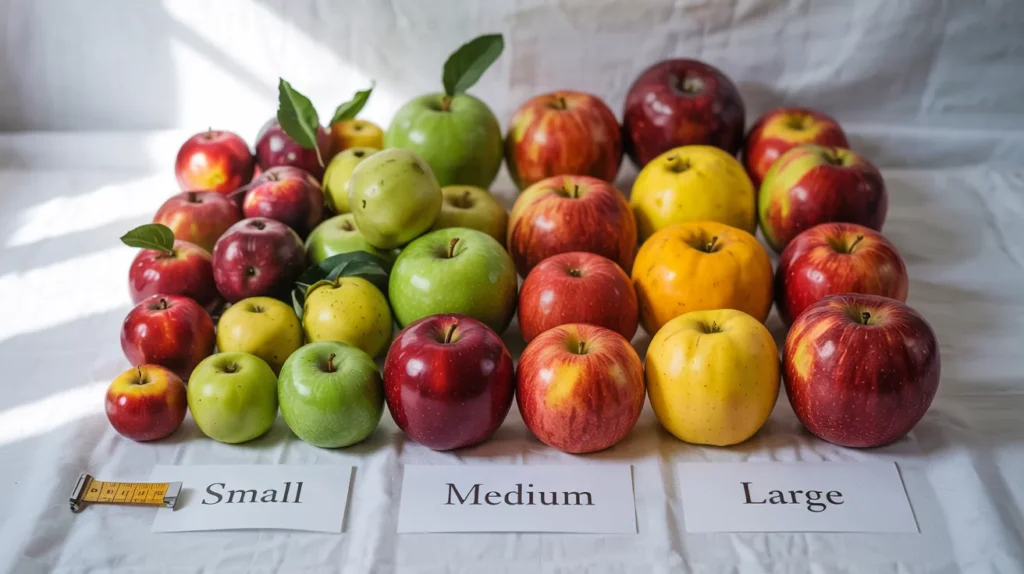
Tips For Buying The Right Apple Size
Choosing the right apple size matters for taste and use. Different sizes suit different needs. Picking the correct apple size helps with cooking and snacking. Here are some tips to guide your choice.
Consider Recipe Requirements
Recipes often need specific apple sizes. Small apples suit salads and snacks. Medium or large apples work best for pies and baking. Using the right size keeps cooking times even. It also balances flavors in your dish.
Check Freshness And Firmness
Fresh apples taste better and last longer. Firm apples feel heavy for their size. Avoid soft spots or bruises. These signs show the apple is fresh and crisp. Freshness affects texture and flavor in every bite.
Seasonal Size Variations
Apple size changes with the season. Early apples may be smaller than late-season ones. Sizes can vary by apple type too. Knowing the season helps pick the best size. This ensures the apple tastes just right.
Frequently Asked Questions
What Does The Apple Size Chart Represent?
The Apple Size Chart shows different apple varieties and their typical sizes. It helps buyers choose apples based on size preferences and recipes.
How To Use The Apple Size Chart Effectively?
Refer to the chart to select apples by diameter or weight. It assists in meal planning, baking, or portion control.
Are Apple Sizes Standardized Worldwide?
Apple sizes can vary by region, but many countries follow similar grading standards for consistency in markets.
Why Is Apple Size Important For Cooking?
Apple size affects cooking time and texture in recipes. Using the chart ensures the right size for optimal results.
Conclusion
Understanding the apple size chart helps you choose the right fruit every time. Size affects cooking, baking, and eating preferences. Small apples are great for snacks or salads. Larger apples work well for pies and sauces. Keep the chart handy when shopping or planning recipes.
This simple guide makes your fruit choices easier and smarter. Enjoy fresh apples that suit your needs perfectly.
