
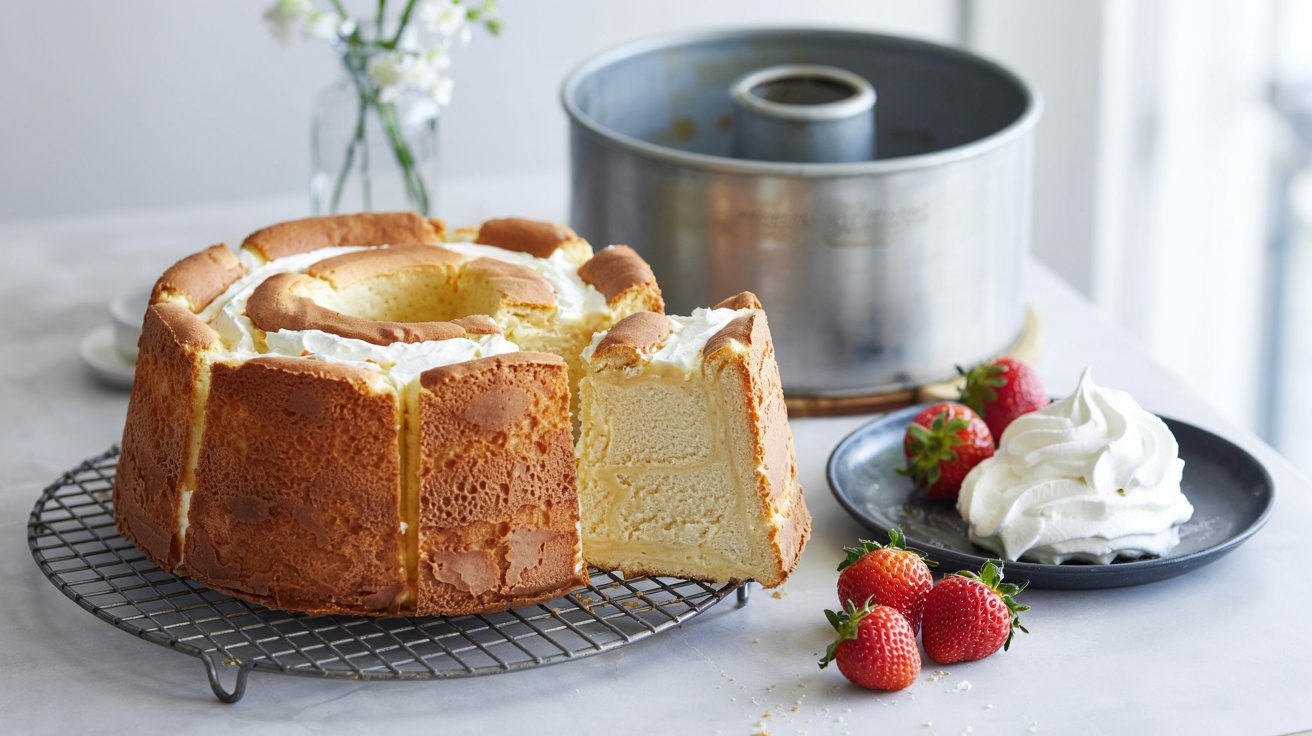
Are you planning to bake or buy an angel food cake but unsure about the right size? Choosing the perfect cake size can make all the difference for your celebration or dessert needs.
Whether you want just a small treat or need to serve a crowd, understanding the Angel Food Cake Size Chart will help you get it right every time. Keep reading, and you’ll discover how to pick the ideal cake size that fits your occasion perfectly—and avoid any last-minute surprises!
Angle Food Cake Basics
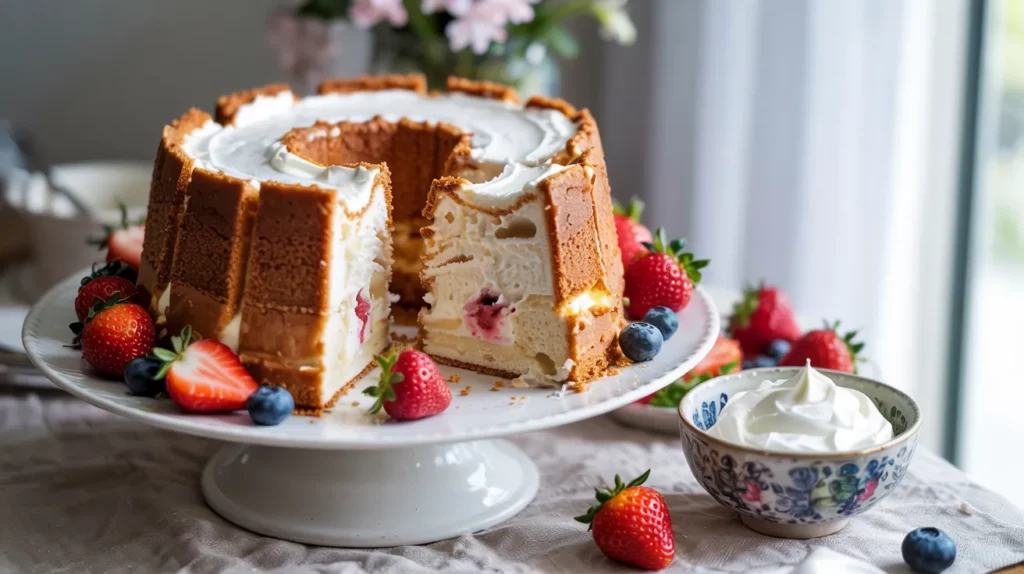
Angel food cake is a light, fluffy dessert loved by many. It stands out from other cakes because of its unique texture and simple ingredients. Understanding the basics helps you appreciate this cake even more. Here are the key points about angel food cake size and its important features.
What Makes Angel Food Cake Unique
Angel food cake uses only egg whites, no yolks. This makes it very light and airy. It rises high and has a soft, spongy feel. The cake is fat-free since it has no butter or oil. It is baked in a special tube pan for even cooking and shape.
Common Ingredients
Egg whites form the base of the cake. Sugar adds sweetness and helps create a stable foam. Cake flour gives it a tender crumb. Cream of tartar stabilizes the egg whites. Vanilla extract adds a mild, sweet flavor.
Ideal Texture And Flavor
The texture is soft and fluffy, almost like a cloud. It feels light in the mouth and melts quickly. The flavor is sweet but not heavy. It has a mild vanilla taste that pairs well with fruits and sauces.
Choosing Cake Pan Sizes
Choosing the right cake pan size is key for baking perfect Angel Food Cake. The size affects baking time and texture. Knowing the right pan helps your cake rise well and bake evenly. This guide explains the common pan sizes and types.
Standard Pan Dimensions
Angel Food Cakes often bake in tube pans. Common sizes include 8-inch and 10-inch diameters. The depth usually ranges from 3 to 4 inches. Using the right size ensures the cake cooks through without burning.
Smaller pans may need less batter, while larger pans need more. Adjust ingredients to fit the pan size. This prevents the cake from collapsing or staying raw inside.
Round Vs. Tube Pans
Tube pans have a hollow center that helps heat reach the middle of the cake. This design supports the cake as it rises. Round pans without a tube may cause uneven baking or sinking.
Choose tube pans for Angel Food Cake to keep its light, airy texture. Round pans suit other cakes but not this type. The tube pan shape is critical for the cake’s structure.
Pan Material Impact
Aluminum pans heat evenly and are common for Angel Food Cake. They help the cake rise properly. Dark or non-stick pans absorb more heat and may bake the cake faster.
Glass pans heat slower and can change baking time. Use light-colored pans for best results. The pan material affects how your cake cooks and its final texture.
Size Chart Essentials
Understanding the size of your angel food cake pan is very important. It helps you bake the cake perfectly every time. The size chart is a useful tool. It shows the relation between volume and pan diameter. It also helps with recipe adjustments. These essentials make baking easier and more accurate.
Knowing these facts saves time and avoids baking mistakes. It makes your angel food cake light and fluffy. Let’s explore the key points in the size chart essentials.
? Angel Food Cake Size Chart
| Pan Size | Pan Type | Batter Capacity | Baking Time | Servings |
|---|---|---|---|---|
| 6-inch | Tube pan | 4 cups | 30–40 min | 4–6 |
| 8-inch | Tube pan | 6 cups | 35–45 min | 8–10 |
| 9-inch | Tube pan | 8 cups | 40–50 min | 10–12 |
| 10-inch | Tube pan | 10–12 cups | 45–60 min | 12–16 |
| Mini | Individual molds | 1/2–1 cup each | 12–18 min | 1 per mold |
Volume To Diameter Conversion
Angel food cake pans come in different diameters. Each size holds a certain volume of batter. Volume is usually measured in cups or quarts. Diameter is the width across the top of the pan. The size chart helps convert volume to diameter. This helps you choose the right pan for your recipe. It ensures the cake has the right thickness and texture.
Height And Layer Considerations
Height affects how the cake bakes and looks. Taller cakes need deeper pans. Some recipes require multiple layers. The size chart shows how height matches diameter. It helps decide if you need one or more pans. Proper height keeps the cake from collapsing. It also affects cooking time and evenness.
Adjusting Recipes For Pan Size
Recipes are often written for a standard pan size. Using a different pan changes the batter amount needed. The size chart guides you to adjust ingredient quantities. It helps keep the batter volume consistent. This prevents under or overfilling the pan. Adjusting recipes keeps the cake light and moist.
Baking Time And Temperature
Baking time and temperature are key to perfect angel food cake. These factors affect texture, rise, and color. Knowing how to adjust them ensures your cake bakes evenly and tastes great.
How Size Affects Baking Time
Smaller cakes bake faster than larger ones. A 6-inch cake needs less time than a 10-inch cake. Larger cakes take longer to cook through the center. Check the cake a few minutes before the timer ends. Use a toothpick to test doneness. It should come out clean or with a few crumbs.
Temperature Adjustments
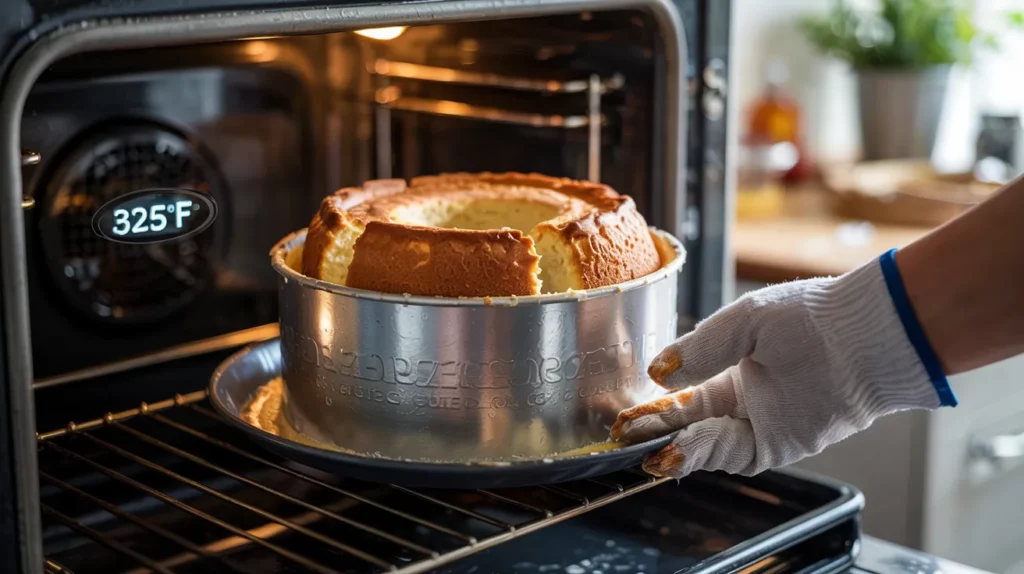
Standard baking temperature for angel food cake is usually 325°F (163°C). For bigger cakes, lower the temperature by 10-15 degrees. This prevents the outside from burning before the inside cooks. Small cakes can bake at the regular temperature. Oven temperature can vary, so use an oven thermometer for accuracy.
Tips For Even Baking
Place the cake pan in the center of the oven. Avoid opening the oven door often; heat escapes and affects baking. Use light-colored pans to prevent over-browning. Rotate the pan halfway through baking for even heat. Let the cake cool upside down to keep its shape and texture.
Troubleshooting Size Issues
Angle food cakes can be tricky with sizes. Problems with size often mean baking issues. Fixing these problems helps make perfect cakes every time.
Undercooked Or Overcooked Cake
Undercooked cakes are wet inside and collapse easily. Overcooked cakes dry out and become hard. Use a toothpick test to check doneness. Insert it in the center; it should come out clean. Adjust oven temperature if the cake cooks too fast or too slow.
Collapsed Or Dense Texture
A collapsed cake often means too much mixing or wrong oven heat. Do not overbeat the batter; it traps too much air. Bake at the right temperature for even rising. Avoid opening the oven door early, as sudden temperature changes can cause collapse.
Uneven Layers
Uneven layers happen when batter is not spread evenly. Use a spatula to smooth the batter before baking. Check your oven for hot spots by rotating the pan halfway through baking. Level the cake layers by trimming the top if needed for stacking.
Serving Size Guide
Understanding the serving size of an angel food cake helps plan meals and events better. This guide shows how many slices you get from different cake sizes. It also helps avoid waste and ensures everyone gets a fair share.
Portion Sizes By Cake Diameter
Angel food cakes come in various sizes, usually measured by diameter. A 6-inch cake serves about 6 people. An 8-inch cake can serve 10 to 12 slices. A 10-inch cake usually yields 14 to 16 slices. Larger cakes give more servings. Keep the slice size consistent for even portions.
Estimating Servings For Events
Think about the number of guests when choosing cake size. For small gatherings, a 6-inch cake works well. For medium groups, go with an 8-inch cake. For parties over 15 people, a 10-inch cake is better. Estimate one slice per person. Order extra if guests want seconds.
Leftover Storage Tips
Store leftover angel food cake properly to keep it fresh. Wrap it tightly in plastic wrap. Place it in an airtight container. Keep it in the fridge for up to 3 days. For longer storage, freeze the cake. Thaw in the fridge before serving. This keeps the cake moist and tasty.
Tools For Accurate Baking
Accurate baking needs the right tools. These tools help you measure ingredients and bake perfectly sized angel food cakes. Using precise tools saves time and reduces mistakes. It also helps you follow recipes exactly. This section covers essential tools to improve your baking results.
Measuring Cups And Scales
Measuring cups help you add dry and liquid ingredients carefully. Use cups with clear markings for exact amounts. Digital kitchen scales are even better. They measure ingredients by weight, which is more accurate. Scales prevent errors caused by packing or shaking ingredients.
Cake Pan Measuring Tools
Use cake pan measuring tools to pick the right pan size. These tools show volume and diameter clearly. Choosing the correct pan size helps your cake bake evenly. It also ensures the cake rises properly and fits your recipe’s size chart.
Thermometers And Timers
Thermometers check the oven’s exact temperature. Oven temperatures can vary, so a thermometer helps keep it steady. Timers remind you when to check or remove your cake. Both tools help avoid underbaking or overbaking your angel food cake.
Frequently Asked Questions
What Are Common Sizes For Angel Food Cakes?
Angel food cakes commonly come in 8, 9, or 10-inch round pans. These sizes affect baking time and serving portions.
How Many Servings Does An Angel Food Cake Size Provide?
An 8-inch angel food cake serves 8-10 people. A 10-inch cake can serve 12-16, depending on slice size.
Which Pan Size Is Best For Angel Food Cake?
A 9-inch tube pan is ideal for angel food cake. It ensures even baking and proper cake rise.
Can Angel Food Cake Be Baked In Square Pans?
Yes, angel food cake can be baked in square pans. Adjust baking time and check doneness regularly.
Conclusion
Knowing the right angle food cake size helps in perfect baking. It saves time and avoids confusion. You can choose the size that fits your recipe well. Baking becomes easier with the right size chart. Enjoy making soft and fluffy cakes every time.
Keep this chart handy for your next baking session. Simple and clear measurements make baking fun and stress-free. A good size chart is a small tool for great results. Try it out and see the difference yourself.
