
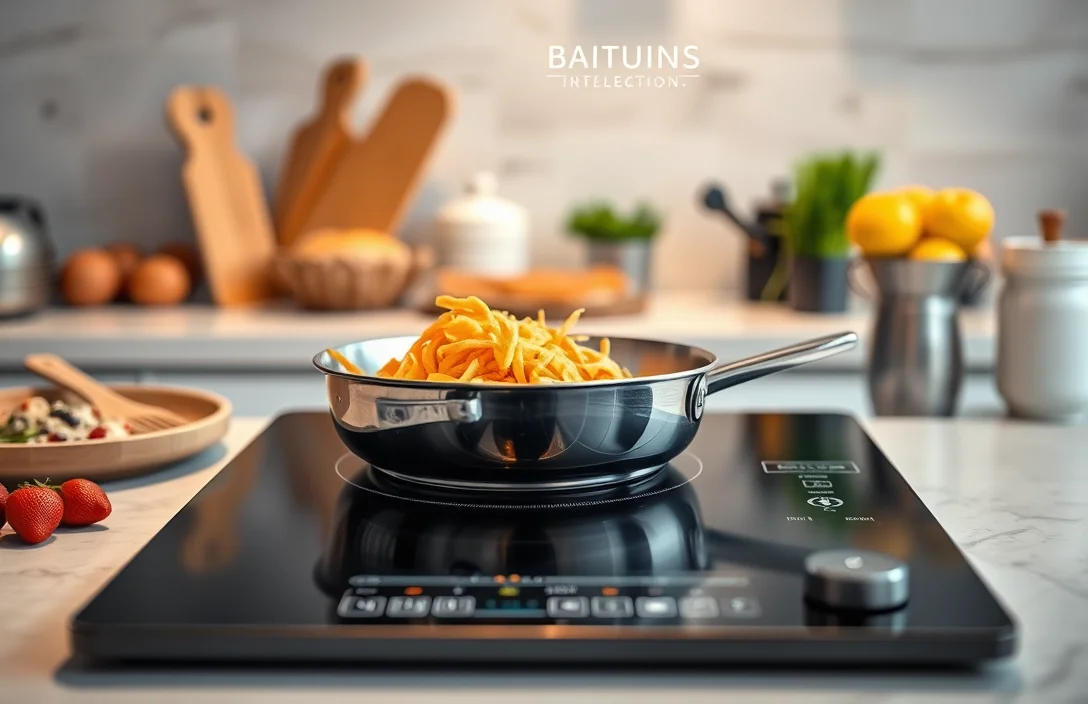
Induction cooking is gaining popularity for good reason. If you’re curious about how this innovative cooking method can enhance your culinary experience, you’re in the right place. Discover the practical benefits that could transform your kitchen routine and make cooking more enjoyable.
Induction cooking offers fast heating, energy efficiency, and precise temperature control. It’s also safer than traditional methods, as only the cookware gets hot. This means less risk of burns and a cleaner kitchen environment.
Core Concepts and Definitions
Understanding the advantages of induction cooking begins with recognizing its efficiency and speed. Induction cooking employs electromagnetic energy to heat pots and pans directly, rather than relying on a flame or electrical heating element. This method not only enhances cooking performance but also offers several practical benefits that can influence kitchen efficiency and safety.
One significant advantage is the rapid heating capability. Induction cooktops can heat cookware almost instantly, allowing for quicker meal preparation. This efficiency saves time, especially in busy kitchens, where every second counts. Additionally, the precise temperature control provided by induction cooking ensures that meals are cooked evenly, reducing the risk of burning or undercooking food.
Another key benefit is the safety aspect. The cooktop surface remains cool to the touch during cooking, minimizing the risk of burns. This feature is particularly beneficial in households with children or pets, providing an added layer of security. Moreover, induction cooktops often include automatic shut-off features, further enhancing safety in the kitchen.
How It Works in Practice
Understanding how induction cooking operates can enhance your cooking experience and reveal its advantages. This method utilizes electromagnetic energy to directly heat pots and pans, resulting in efficient cooking. The heat is generated only in the cookware, minimizing energy loss and providing precise temperature control.
To get started with induction cooking, ensure that your cookware is compatible. Induction-compatible pots and pans are typically made from ferrous materials, such as cast iron or stainless steel. You can test your existing cookware with a magnet; if it sticks, it’s suitable for induction use.
Once you have the right cookware, operating an induction cooktop is straightforward. Simply place your pot on the designated cooking zone, select the desired heat setting, and watch as your food heats up rapidly. The cooktop itself remains cool to the touch, reducing the risk of burns and making cleanup easier.
Additionally, induction cooking provides instant adjustments to temperature settings. When you lower the heat, the change takes effect immediately, allowing for precise cooking without the lag associated with traditional gas or electric stoves. This feature helps prevent overcooking and enhances the overall cooking experience.
Key Advantages Worth Knowing
One significant advantage of induction cooking is its precise temperature control. This feature allows users to set exact temperatures for various cooking tasks, ensuring consistent results. Such accuracy reduces the risk of overcooking or undercooking, making it easier to achieve perfect dishes every time.
With induction cooking, the heat is generated directly in the cookware, providing rapid adjustments in temperature. This responsiveness means that when you change the setting, the heat alters almost instantaneously, unlike traditional methods that may require time to adjust. Chefs and home cooks alike can benefit from this capability, especially when preparing delicate sauces or melting chocolate, where precision is crucial.
Additionally, the ability to maintain low simmering temperatures without fluctuation is a game changer for slow cooking. This feature not only enhances the overall quality of the food but also contributes to energy efficiency, as less energy is wasted by maintaining the desired heat. Overall, precise temperature control is a standout advantage that enhances the cooking experience.
Step-by-Step Approach
One of the significant advantages of induction cooking is its efficiency in energy use. This cooking method heats pots and pans directly through electromagnetic energy, which means less energy is wasted compared to conventional methods. Understanding how to maximize this efficiency can enhance your cooking experience.
To take full advantage of this energy-efficient cooking style, consider the following tips:
- Choose the Right Cookware: Ensure your cookware is compatible with induction cooktops. Look for pots and pans made from magnetic materials like stainless steel or cast iron.
- Match Pan Size to Burner: Use cookware that matches the size of the induction burner. This maximizes heat transfer and reduces energy loss.
- Use Lids: Covering pots while cooking traps heat, which speeds up cooking times and conserves energy.
- Preheat Wisely: Induction cooktops heat quickly, so there’s often no need to preheat for long. Start cooking as soon as the pan is heated.
By adopting these practices, you not only enjoy faster cooking times but also save on energy costs, making induction cooking an even more appealing option.
Common Mistakes to Avoid
Understanding the advantages of induction cooking can enhance your culinary experience, but certain pitfalls can hinder your progress. Avoiding common mistakes will ensure that you maximize the benefits of this cooking method. One crucial mistake is using incompatible cookware, which can lead to frustration and ineffective cooking.
Induction cooking requires specific types of pots and pans that are magnetic. Stainless steel and cast iron are typically suitable, while aluminum and glass won’t work unless they have a magnetic base. Always check the manufacturer’s guidelines for your cookware to confirm compatibility. Additionally, avoid using warped or uneven-bottomed pans, as they can affect the heating efficiency. Ensuring your cookware meets these criteria will help you fully experience the advantages of induction cooking, such as faster heating times and precise temperature control.
Practical Tips That Help
Understanding the advantages of induction cooking can be significantly enhanced through practical application. Here’s a straightforward tip to maximize your experience with this cooking method, ensuring efficiency and effectiveness in the kitchen.
Choose the right cookware. Induction cooking requires ferrous (magnetic) cookware to work effectively. Check the bottom of your pots and pans for a magnet; if it sticks, you’re good to go. Opt for materials like cast iron or stainless steel. Avoid glass, aluminum, or copper unless they are specifically designed for induction use. Investing in high-quality induction-compatible cookware not only improves performance but also enhances safety, as it reduces the risk of overheating and burns. This simple adjustment can lead to better energy efficiency and cooking results.
Real-World Examples
Understanding the practical advantages of induction cooking can be enhanced by looking at real-world applications. Many households and professional kitchens are making the switch to this technology, reaping its benefits in various ways.
For instance, a busy family of four may choose induction cooking for its speed and efficiency. With induction cooktops, boiling water takes significantly less time than traditional methods, allowing for quicker meal preparation on hectic weeknights. Additionally, the precise temperature control means that simmering sauces or delicate dishes can be done with ease, minimizing the risk of burning.
Restaurants are also adopting this method due to its energy efficiency and cleanliness. Chefs appreciate the ability to instantly adjust heat levels, which is crucial for creating complex dishes. Moreover, the cool-to-the-touch surface reduces the risk of burns for staff, promoting a safer cooking environment.
Lastly, eco-conscious consumers are drawn to induction cooking for its reduced energy consumption compared to gas or electric stoves. This aligns with their values of sustainability and minimizing their carbon footprint, making it a practical choice for the environmentally aware household.
Getting Started Today
One significant advantage to consider is the ease of cleaning with induction cooking. Unlike traditional methods, where spills can burn onto the surface, induction cooktops heat only the cookware. This feature greatly simplifies maintenance, allowing for quick and easy cleanup.
After cooking, wait for the surface to cool down, which happens rapidly due to the lack of residual heat. Use a damp cloth or sponge to wipe away any spills or splatters. For tougher stains, a gentle cleaner can be applied without the risk of damaging the surface. This efficiency not only saves time but also ensures that your cooking space remains hygienic and presentable. Embracing this cleaning advantage can make the cooking experience more enjoyable and less stressful.
Quick Summary
To fully appreciate the advantages of induction cooking, consider investing in high-quality cookware that is compatible with induction technology. This step can significantly enhance your cooking experience. Induction cooktops require magnetic-based cookware for optimal performance, ensuring rapid heating and precise temperature control.
Invest in pots and pans made from materials like cast iron, stainless steel, or any cookware labeled as induction-compatible. Avoid using aluminum or copper alone unless they have a magnetic base. Proper cookware not only improves efficiency but also ensures even cooking, preventing hot spots that can lead to uneven results. Additionally, the right cookware can enhance the lifespan of your induction cooktop by minimizing wear and tear.
By choosing suitable cookware, you maximize the benefits of induction cooking, making it a more enjoyable and efficient way to prepare meals. This simple yet crucial tip can transform your culinary experience, allowing you to fully embrace the convenience and precision that induction cooking offers.
Quick Summary
- Induction cooking offers faster heating times compared to traditional gas or electric methods.
- It provides precise temperature control, allowing for better cooking results.
- Induction cooktops are more energy-efficient, using less energy while cooking.
- They are safer, as the cooktop remains cool to the touch and reduces the risk of burns.
- Induction cooking is easier to clean, as spills do not burn onto the surface.
- It provides a more consistent cooking experience with uniform heat distribution.
- Induction cookers can enhance kitchen aesthetics with sleek, modern designs.
Frequently Asked Questions
What are the main benefits of induction cooking?
Induction cooking offers several advantages, including faster cooking times due to direct heat transfer, improved energy efficiency, and precise temperature control. Unlike traditional methods, it heats only the cookware, reducing heat loss and keeping the kitchen cooler.
Is induction cooking safe?
Yes, induction cooking is considered safe. The cooktop remains cool to the touch while cooking, reducing the risk of burns. Additionally, induction stoves often have safety features such as automatic shut-off when cookware is removed.
What types of cookware are needed for induction cooking?
Induction cooking requires magnetic cookware, typically made of cast iron or stainless steel. Cookware that is not magnetic, like aluminum or glass, will not work on an induction cooktop unless it has a magnetic base.
Are there any downsides to induction cooking?
While induction cooking has many benefits, it can be more expensive to purchase an induction cooktop compared to traditional gas or electric ranges. Additionally, some users may need to invest in new cookware if their current pots and pans are not compatible.
How does induction cooking compare to gas and electric cooking?
Induction cooking is generally faster and more energy-efficient than both gas and traditional electric cooking. It provides precise control over heat levels and minimizes heat loss, while gas offers a visual flame and electric provides even heating, but both can be slower and less efficient than induction.
