
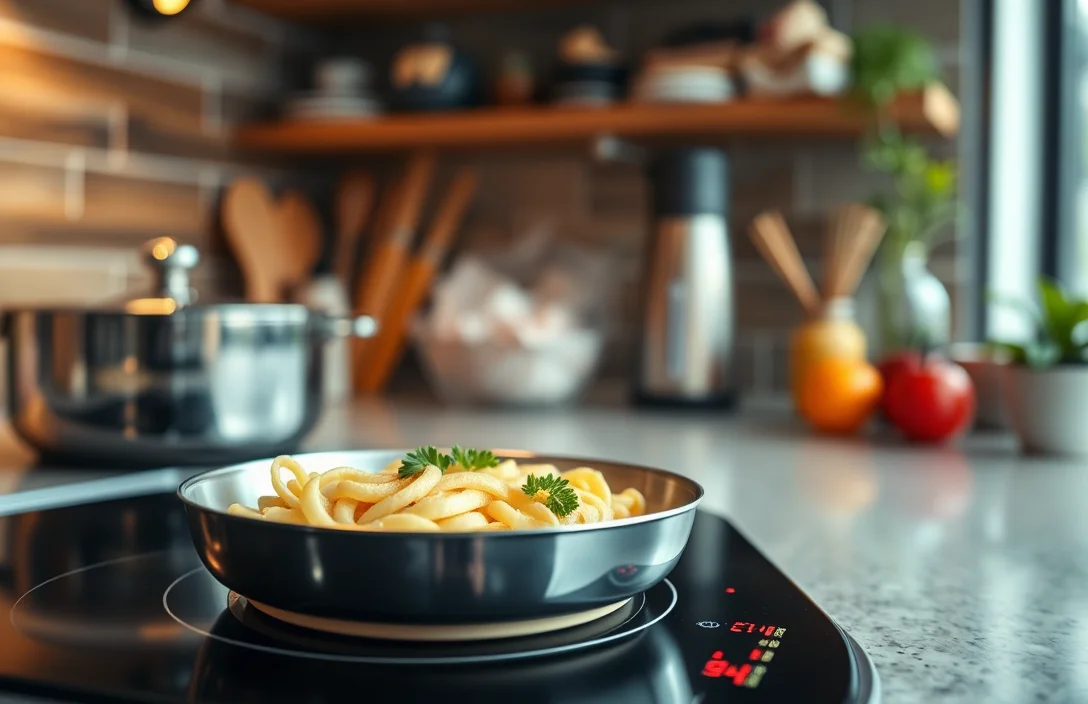
If you’re curious about cooking methods, induction cooking is an intriguing option. This innovative technology offers precise temperature control and rapid heating, making it an efficient choice for both novice and experienced cooks. Understanding its temperature guide can enhance your culinary skills and elevate your cooking experience.
Induction cooking relies on magnetic fields to heat cookware directly, providing instant temperature adjustments. Key points include the temperature ranges for various cooking techniques and the importance of compatible cookware to maximize efficiency and performance in the kitchen.
Core Concepts and Definitions
Understanding the basics of induction cooking is essential for mastering the temperature guide. Induction cooking uses electromagnetic energy to heat pots and pans directly, rather than heating the cooktop surface. This method allows for precise temperature control, making it easier to achieve desired cooking results.
The temperature settings on induction cooktops typically range from low to high, allowing for versatility in cooking. Low temperatures are ideal for simmering sauces or melting chocolate, while high temperatures are best for boiling water or searing meats. Familiarity with these settings can significantly enhance your cooking efficiency.
Always consider the material of your cookware as well. Induction cooking requires magnetic materials, such as stainless steel or cast iron, to generate heat. Non-magnetic materials like glass or aluminum will not work effectively. Knowing how to select the right cookware and understanding the temperature settings will help you make the most of this efficient cooking method.
How It Works in Practice
Understanding how to effectively manage temperatures is crucial for successful induction cooking. By knowing the temperature ranges and their appropriate uses, you can ensure that your culinary creations turn out perfectly. This guide offers insights into practical temperature applications for different cooking methods.
Induction cooktops provide precise temperature control that can dramatically improve your cooking efficiency. For simmering, maintain a temperature between 180°F to 205°F (82°C to 96°C). This range is ideal for soups and sauces, allowing flavors to meld without boiling over. For sautéing, aim for 300°F to 400°F (149°C to 204°C). This temperature range is perfect for browning vegetables or meats, creating a rich flavor profile. If you’re frying, a higher temperature of 350°F to 375°F (177°C to 191°C) is necessary for achieving that crispy texture without excessive oil absorption.
For boiling, make sure to set your induction cooktop to around 212°F (100°C), which is the boiling point of water at sea level. This is essential for pasta and blanching vegetables. Lastly, for low-temperature cooking or warming, keep your settings between 150°F to 200°F (65°C to 93°C). This range helps maintain the temperature of dishes without cooking them further.
Key Advantages Worth Knowing
The right temperature settings can significantly improve your cooking results. Understanding how to effectively use induction cooking temperature guides can help you achieve perfectly cooked meals every time. This section focuses on the importance of mastering temperature control for different cooking methods.
Induction cooking is highly responsive, allowing for rapid adjustments in temperature. This responsiveness means that you can quickly switch from boiling to simmering without delay. Familiarizing yourself with temperature ranges for various cooking techniques is essential. For example, sautéing typically requires a higher heat level, while simmering benefits from a lower setting. Knowing these nuances can prevent overcooking or undercooking your food.
Another advantage is energy efficiency. Induction cooktops heat pots and pans directly, which reduces wasted heat. By using the appropriate temperature settings as per the induction cooking temperature guide, you can not only save energy but also minimize cooking time. This efficiency makes it easier to maintain consistent results, whether you’re searing meat or melting chocolate.
Step-by-Step Approach
Understanding how to properly adjust the temperature settings on your induction cooktop is crucial for achieving optimal cooking results. Each dish requires a different temperature, and knowing how to navigate these settings can make a significant difference in your cooking experience.
One practical tip is to familiarize yourself with the specific temperature settings typically found on induction cooktops. Most models have preset levels, such as low, medium, and high, which correspond to different ranges of temperatures. For instance, low settings usually range from 140°F to 190°F (60°C to 90°C), ideal for simmering sauces or keeping food warm. Medium settings often fall between 190°F and 300°F (90°C to 150°C), suitable for sautéing vegetables or cooking grains.
High settings can reach temperatures of 300°F and above (150°C and higher), perfect for boiling water or searing meat. Additionally, some advanced induction cooktops may feature precise temperature controls allowing for exact adjustments, which can be beneficial for delicate cooking techniques like tempering chocolate or frying.
By knowing these temperature ranges and settings, you can effectively use your induction cooking temperature guide to cook with precision, enhancing both flavor and texture in your meals.
Common Mistakes to Avoid
One common mistake when using induction cooking is not paying attention to the cookware’s compatibility with the induction cooktop. Only ferrous metal cookware, such as cast iron or stainless steel with magnetic properties, will work effectively. Using non-magnetic materials, like aluminum or copper without a magnetic base, will result in inefficient heating or no heating at all.
Always check for a symbol on the bottom of your pots and pans indicating that they are induction-compatible. If you’re unsure, try testing a magnet on the bottom of the cookware; if it sticks, you’re good to go. This simple check can save time and frustration, ensuring that your cooking experience is smooth and effective.
Practical Tips That Help
Understanding the right temperatures for induction cooking can greatly enhance your culinary results. One effective tip is to familiarize yourself with the specific temperature settings of your induction cooktop. Many models offer precision control, allowing you to adjust the heat level accurately for various cooking methods.
Start by noting the temperature range indicated on your induction cooktop. Most units display settings from low to high, often labeled with numbers or words like “simmer,” “sauté,” and “boil.” Familiarize yourself with these indicators to make quick adjustments while cooking. For example, use lower settings for delicate sauces or melting chocolate, while higher settings are ideal for searing meats or boiling water. The more you practice, the better you’ll gauge the heat needed for specific dishes.
Additionally, consider using an infrared thermometer to check the surface temperature of your cookware. This tool allows you to monitor the heat more accurately, ensuring that your food cooks evenly without burning. By combining your knowledge of the cooktop’s settings with practical temperature checks, you can master the art of induction cooking efficiently.
Real-World Examples
Understanding how temperature settings on induction cooktops affect cooking outcomes can significantly enhance your culinary skills. Here are practical applications of various temperature settings that illustrate their impact on different cooking tasks.
For simmering sauces, set your induction cooktop to low heat, around 160°F to 180°F. This gentle heat maintains a steady simmer without boiling, allowing flavors to meld beautifully without risk of burning. For sautéing vegetables, medium-high heat (around 375°F) is ideal. This temperature quickly cooks the ingredients while retaining their texture and nutrients.
When frying, use high heat settings, approximately 400°F to 450°F, ensuring a crispy exterior. For delicate tasks like melting chocolate, lower the temperature to about 110°F to 130°F. This prevents scorching and ensures a smooth consistency. Understanding these specific applications allows for precise adjustments, enhancing your overall cooking experience.
Getting Started Today
Understanding the heat settings on your induction cooktop can significantly enhance your cooking experience. Each setting corresponds to a specific temperature range, making it essential to know what each level achieves. This knowledge will help you fine-tune your cooking for different recipes, ensuring optimal results every time.
For precise cooking, familiarize yourself with the temperature ranges typically associated with each induction setting:
- Low (1-3): 140°F – 250°F (60°C – 121°C) — Ideal for simmering sauces or melting chocolate.
- Medium (4-6): 250°F – 350°F (121°C – 177°C) — Great for frying eggs or sautéing vegetables.
- High (7-9): 350°F – 500°F (177°C – 260°C) — Perfect for boiling water or searing meats.
Knowing these temperature ranges can guide you in selecting the right setting for various cooking tasks. Adjust accordingly based on the specific requirements of your recipe to achieve the best results. This tool not only improves efficiency but also enhances the culinary experience.
Quick Summary
Understanding the nuances of induction cooking can greatly enhance your culinary skills. The final tip focuses on fine-tuning your temperature settings for optimal cooking results. By mastering the temperature ranges, you can achieve precision in your dishes, ensuring they are cooked evenly and to perfection.
Experiment with different temperature settings to find the sweet spot for each dish. For example, use lower settings for delicate sauces or chocolates to prevent burning, while higher settings are ideal for searing meats or boiling water quickly. Keep in mind that induction cooktops heat up faster than traditional methods, so adjust your cooking times accordingly.
Always refer to your induction cooking temperature guide to understand recommended ranges for various cooking techniques. Familiarize yourself with how different cookware affects heat transfer, as this can impact cooking efficiency. Practice and observation will help you develop an intuition for when to adjust the temperature during cooking.
With time, you’ll be able to navigate your induction cooktop with confidence, achieving delicious results every time.
Quick Summary
- Induction cooking offers precise temperature control for efficient cooking.
- Common cooking temperatures include low (simmer), medium (sauté), and high (boil).
- Each type of food requires specific temperature settings for optimal results.
- Induction cooktops heat up quickly, reducing overall cooking time.
- Using the right cookware is essential for effective induction cooking.
- Temperature adjustments should be made gradually to avoid overheating.
- Always consult the induction cooking temperature guide for best practices and recommendations.
Frequently Asked Questions
What is induction cooking?
Induction cooking uses electromagnetic fields to directly heat pots and pans. This method is efficient and allows for precise temperature control, making it a popular choice for modern kitchens.
How do I know what temperature to set for different cooking methods?
Each cooking method has a recommended temperature range. For example, sautéing typically requires medium-high heat (around 375°F), while simmering might be around 180°F. Refer to an induction cooking temperature guide for specific recommendations based on your dish.
Are there specific pots and pans I need for induction cooking?
Yes, induction cooking requires cookware made from ferrous metal, such as cast iron or stainless steel. You can test if your pots and pans are compatible by checking if a magnet sticks to the bottom.
What is the best way to clean my induction cooktop?
To clean your induction cooktop, wait until it cools down and then use a soft cloth or sponge with a gentle cleaner. Avoid abrasive materials that can scratch the surface and always wipe up spills promptly to prevent staining.
Can I use induction cooking with a slow cooker or pressure cooker?
Yes, you can use induction cooking with appliances like slow cookers and pressure cookers, as long as they are designed for induction compatibility. Check the manufacturer’s specifications to ensure proper functionality on an induction cooktop.
