
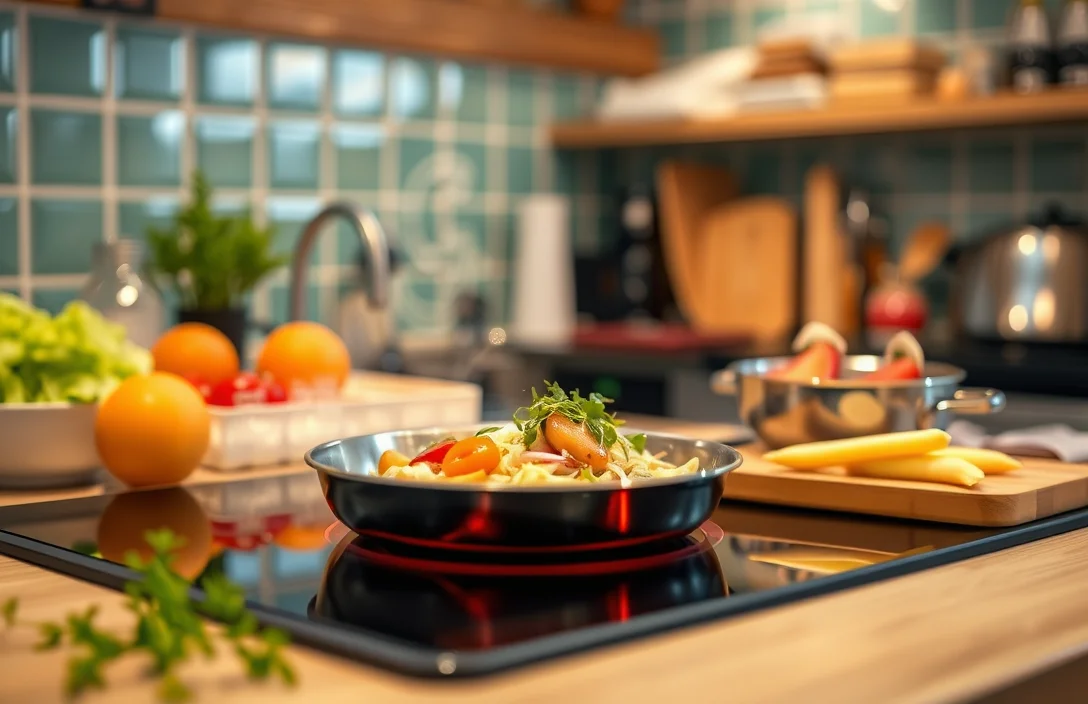
Curious about induction cooking? This innovative cooking method is gaining popularity for its efficiency and precision. If you want to learn how it works and why it might be the right choice for your kitchen, you’re in the right place to discover practical insights.
Induction cooking uses electromagnetic energy to heat pots and pans directly, making it fast and energy-efficient. Unlike traditional methods, it offers precise temperature control and immediate responsiveness, which can enhance your cooking experience significantly.
Induction Cooking Defined
Induction cooking is a modern cooking method that uses electromagnetic energy to heat pots and pans directly. This technology offers precise temperature control and faster cooking times compared to traditional cooking methods. Understanding this method is essential for anyone looking to improve their cooking efficiency and experience.
At its core, induction cooking relies on the principle of magnetic induction, which allows heat to be generated within the cookware itself. This means that the cooking surface remains relatively cool, reducing the risk of burns and making it easier to clean. Additionally, because heat is generated directly in the cookware, energy is used more efficiently, leading to lower energy consumption and faster meal preparation.
As more households adopt this technology, familiarity with what induction cooking means becomes increasingly relevant. It not only revolutionizes the cooking experience but also contributes to a more energy-efficient kitchen.
Principles of Induction Heating
Induction cooking relies on electromagnetic principles to generate heat directly in the cookware, offering efficient and precise cooking. Understanding how this method works can illuminate its advantages and functionality, making it a popular choice in modern kitchens.
- Electromagnetic Field Generation: An induction cooktop contains a coil of copper wire beneath its surface. When the cooktop is powered on, an alternating current flows through this coil, generating an oscillating magnetic field.
- Induced Currents: When a ferrous (magnetic) cookware is placed on the cooktop, the magnetic field induces electric currents, known as eddy currents, within the cookware itself. This process occurs because the magnetic field interacts with the metal’s electrons.
- Heat Production: The induced currents flow through the resistance of the cookware, generating heat. This heat is produced directly within the pot or pan, allowing for rapid cooking without heating the cooktop surface significantly.
- Efficiency and Control: Because heat is generated directly in the cookware, induction cooking is highly efficient. It provides precise temperature control, allowing for quick adjustments during cooking.
This method of cooking offers not only speed but also safety, as the cooktop remains relatively cool, minimizing burn risks. Understanding these principles is essential for recognizing the benefits and capabilities of induction cooking.
Key Components of Induction Cooktops
Understanding the essential components of induction cooktops is crucial for grasping how this cooking method operates. Each element plays a significant role in ensuring efficient, precise heating and user-friendly functionality. The main components include the induction coil, control panel, and cookware compatibility.
The induction coil is the heart of the cooktop, generating electromagnetic fields that induce heat directly in compatible cookware. This coil is usually made of copper and is designed to create a fluctuating magnetic field when electricity flows through it.
The control panel allows users to adjust the temperature and power settings. This interface can vary from simple knobs to advanced digital displays, providing precise control over cooking conditions. Some models also feature safety mechanisms that prevent accidental activation or overheating.
Cookware compatibility is vital for effective induction cooking. Only pots and pans made of ferrous materials—like cast iron or certain stainless steels—will work with induction cooktops. This requirement ensures that the cookware responds to the magnetic field generated by the induction coil.
By recognizing these components and their functions, users can better appreciate how induction cooking operates and make informed decisions when choosing equipment and cookware.
Cooking Techniques for Induction
Induction cooking requires specific techniques to maximize its efficiency and effectiveness. Understanding these methods will help you achieve consistent results and fully leverage the benefits of this technology. Here are some key cooking techniques optimal for induction cooking.
One effective method is to preheat your cookware before adding ingredients. Induction cooktops heat the pot or pan directly, which means food can cook faster when the cookware is already warm. This method is particularly useful for searing meats or sautéing vegetables, as it helps achieve a perfect browning effect.
Another technique is to adjust heat settings gradually. Induction cooking allows for precise temperature control, so if you need to reduce heat, do it in small increments. This practice helps avoid sudden temperature changes that can affect cooking outcomes, especially for delicate sauces or custards.
Using the right cookware is also essential. Ensure that your pots and pans are induction-compatible, typically marked with a magnet symbol. Cookware made of ferrous materials, such as cast iron or stainless steel, will work best, providing even heat distribution.
Lastly, keep the cooking area clean and free from spills. Since induction cooktops are smooth and flat, any food residue can affect performance and heat transfer. Regularly wipe down the surface to maintain optimal cooking conditions.
Energy Efficiency of Induction
Induction cooking stands out for its energy efficiency compared to traditional cooking methods. This technology directly heats cookware through magnetic induction, which minimizes energy loss and maximizes heat transfer. Understanding its efficiency can help in assessing overall energy consumption in the kitchen.
- Fast Heating: Induction cooktops heat up quickly, reducing the time energy is used during cooking.
- Less Heat Waste: The process directly heats the pot or pan, resulting in minimal heat escaping to the surrounding environment.
- Precision Control: Induction allows for immediate temperature adjustments, preventing overcooking and energy waste.
- Safety Features: The cooktop cools down rapidly after cooking, which not only enhances safety but also reduces residual energy usage.
These factors contribute to lower energy bills and a reduced carbon footprint, making induction cooking a smart choice for environmentally conscious consumers.
Real-World Cooking Examples
Induction cooking is not just about efficiency; it also delivers excellent results in the kitchen. Here are some practical examples that showcase its capabilities through various meals.
For breakfast, consider making scrambled eggs. The rapid heating allows you to control the temperature precisely, preventing overcooking. Start by preheating your induction cooktop to medium-low and whisk the eggs in a bowl. Pour them into a non-stick skillet and stir gently. You’ll notice the eggs cook quickly and evenly.
For lunch, try a stir-fry. Using induction, the heat distributes evenly across the pan, ensuring that vegetables retain their crunch. Heat a bit of oil in a wok at high heat, add your choice of proteins and vegetables, and stir continuously. The quick heating minimizes cooking time while maximizing flavor.
Dinner could feature pasta with a homemade sauce. Boil water for the pasta using the induction burner, which heats quickly. In another pan, sauté garlic and onions at medium heat, then add canned tomatoes and seasonings. Induction cooking allows for precise simmering without burning.
Finally, for dessert, prepare a chocolate ganache. Heat cream in a saucepan over low heat until it’s steaming but not boiling. Remove from heat and add chopped chocolate, stirring until smooth. The controlled heat helps prevent the chocolate from seizing.
Comparing Cooking Methods
Induction cooking differs significantly from gas and electric cooking methods, each having its own advantages and drawbacks. Understanding these differences can help you make an informed choice about which method suits your cooking style and needs.
Gas cooking offers immediate heat control, allowing cooks to quickly adjust flame levels. However, it can lead to uneven heating and is less energy-efficient compared to induction. Electric stoves, while generally more energy-efficient than gas, often take longer to heat up and cool down, resulting in less precise temperature control.
In contrast, induction cooking uses magnetic fields to heat pots and pans directly, providing rapid heating and precise temperature control. This method is safer as the cooktop remains cool to the touch, reducing the risk of burns. Additionally, induction is generally more energy-efficient, as nearly all the heat generated goes directly into the cookware.
Ultimately, choosing between these cooking methods depends on personal preferences, cooking habits, and kitchen setups. Induction cooking stands out for its speed, safety, and efficiency, making it an attractive option for modern kitchens.
Quick Summary
- Induction cooking utilizes electromagnetic energy to directly heat pots and pans.
- It is faster and more energy-efficient compared to traditional gas or electric cooking methods.
- Induction cooktops require cookware made of ferrous materials (magnetic) to work effectively.
- The surface of induction cooktops remains cool to the touch, reducing the risk of burns.
- Induction cooking offers precise temperature control for better cooking outcomes.
- It is easier to clean due to the flat, smooth surface of induction cooktops.
- Induction cooking is considered safer, as it automatically shuts off when cookware is removed.
Frequently Asked Questions
What is induction cooking?
Induction cooking is a method that uses electromagnetic energy to directly heat pots and pans. Unlike traditional cooking, which heats the cookware through a burner, induction cooking heats the pan itself, resulting in faster cooking times and greater energy efficiency.
How does induction cooking work?
Induction cooking works by generating a magnetic field that interacts with ferrous metal cookware. When the pot or pan is placed on the induction cooktop, the magnetic field induces an electric current, which generates heat directly in the cookware, allowing for precise temperature control.
What types of cookware can be used with induction cooking?
Only cookware made of ferrous materials, such as cast iron or stainless steel, will work on induction cooktops. To check if your cookware is induction-compatible, you can use a magnet; if it sticks, it’s suitable for induction cooking.
Are there any benefits to using induction cooking?
Induction cooking is known for its speed, energy efficiency, and precise temperature control. Additionally, it provides a safer cooking environment because the cooktop itself remains cool to the touch, reducing the risk of burns.
Is induction cooking more expensive than traditional cooking methods?
While induction cooktops can have a higher upfront cost compared to gas or electric stoves, they often lead to lower energy bills due to their efficiency. Over time, the savings in energy usage and faster cooking times can offset the initial investment.
