
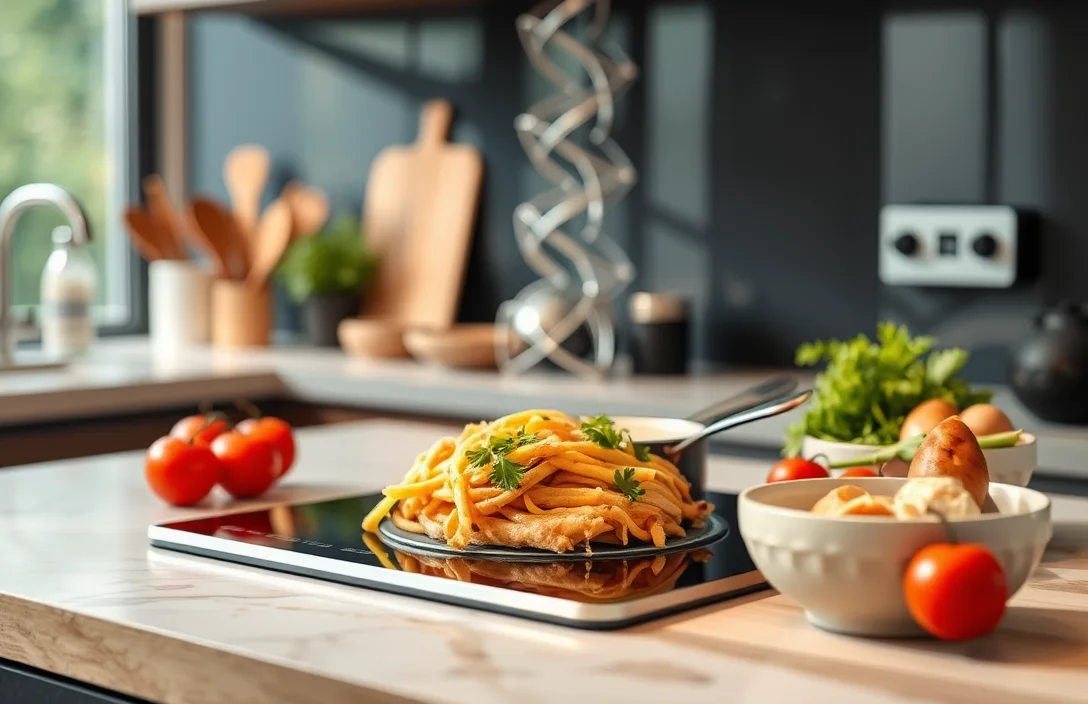
Curious about induction cooking? This method of cooking is not only efficient but also offers precision and control in the kitchen. As you explore this innovative technique, you will discover its benefits and how to make the most of your cooking experience.
Induction cooktops use magnetic fields to heat pots and pans directly, making them energy-efficient and fast to respond. They also provide precise temperature control and are easy to clean, making them an attractive option for modern kitchens.
Induction Cooking Basics
Induction cooking is a modern method that uses electromagnetic energy to directly heat pots and pans. Unlike traditional cooking methods that rely on gas or electric coils, induction cooktops provide efficient and precise temperature control. This technique not only speeds up cooking times but also enhances safety and energy efficiency.
Key characteristics of induction cooking include:
- Direct Heating: Heat is generated within the cookware itself, leading to faster cooking times.
- Energy Efficiency: Approximately 90% of the energy produced goes directly into heating the pot, minimizing waste.
- Safety Features: The cooktop remains cool to the touch, significantly reducing the risk of burns.
- Precise Control: Temperature adjustments are immediate, allowing for fine-tuning during cooking.
This method is increasingly popular among home chefs and professionals for its convenience and effectiveness. Understanding these basic principles will help you appreciate the advantages of cooking on an induction cooktop.
How Induction Works
Induction heating is a modern cooking method that relies on electromagnetic energy to heat cookware directly. This technology differs from traditional electric or gas cooking methods, which heat the cooking surface and then transfer that heat to the pot or pan. Understanding how this system operates can help maximize your cooking efficiency and safety.
At the core of induction cooking is a coil of copper wire positioned beneath the cooktop surface. When you turn on the induction cooktop, an electric current flows through this coil, generating a magnetic field. This magnetic field interacts with ferromagnetic cookware—such as pots and pans made of cast iron or stainless steel—inducing an electric current within the cookware itself. As a result, the cookware heats up quickly and evenly, while the cooktop remains relatively cool to the touch.
This method not only speeds up cooking times but also reduces energy loss, making it a highly efficient choice. Since heat is generated directly in the pot, there is less risk of burning yourself on the cooktop surface. Additionally, the precise temperature control associated with induction cooking allows for more accurate cooking results, enhancing your culinary experience.
Essential Components
Understanding the key components of an induction cooktop is essential for effective cooking. Each part plays a critical role in its operation, contributing to the efficiency and functionality of the appliance.
The cooktop surface is typically made of glass-ceramic, which is durable and easy to clean. Beneath this surface lies the induction coil, responsible for generating electromagnetic energy. When compatible cookware is placed on the cooktop, the coil creates a magnetic field that directly heats the pot or pan, ensuring minimal heat loss.
The control panel allows users to adjust settings, including heat levels, timers, and cooking modes. Different models may feature touch controls or knobs, providing various user experiences. Additionally, many induction cooktops include safety features like automatic shut-off, which turns the unit off if no cookware is detected or if it overheats.
Lastly, the cooling fan is essential for maintaining optimal operating temperatures. It prevents overheating of internal components, ensuring longevity and consistent performance. Familiarity with these components will enhance cooking efficiency and safety when using induction technology.
Cooking Techniques
Induction cooktops offer a variety of cooking methods that can enhance your culinary experience. Understanding these techniques allows you to maximize the efficiency and versatility of this tool. Below are some methods that work exceptionally well with induction cooking.
- Sautéing: This technique is ideal for quickly cooking vegetables and proteins. Use a flat-bottomed pan to ensure even heating, and always preheat your pan before adding oil and ingredients.
- Simmering: Induction’s precise temperature control is perfect for simmering sauces and soups. Start with high heat to bring liquids to a boil, then reduce the heat to maintain a gentle simmer.
- Boiling: Boiling water on induction is incredibly fast. Use a pot with a lid to speed up the process and save energy.
- Frying: Induction allows for consistent frying temperatures. Choose the right oil with a high smoke point, and monitor the heat closely for best results.
- Slow Cooking: While not traditional on an induction cooktop, using a compatible pot and low heat can create a slow-cooking environment for stews and braises.
Each method takes advantage of the quick responsiveness of induction, ensuring that your meals are cooked efficiently and evenly.
Safety Practices
Adhering to safety measures is crucial for a smooth cooking experience on your induction cooktop. These practices not only protect you but also ensure the longevity of the appliance and your cookware. Here are some essential tips to keep in mind while using this cooking tool.
Always use cookware that is compatible with induction cooktops. This means opting for magnetic materials such as cast iron or stainless steel. Avoid using aluminum or copper pans unless they have a magnetic base. Additionally, ensure that the bottom of your cookware is clean and dry before placing it on the cooktop. This helps maintain optimal contact and efficiency.
Keep the cooking surface clean and free of spills. Induction cooktops can be sensitive to dirt and debris, which may interfere with their operation. Regularly wipe down the surface after cooking when it cools down to prevent any buildup from affecting performance. Always turn off the appliance when not in use, and never leave it unattended while cooking to minimize risks of accidents.
Lastly, be aware of the temperature settings. Induction cooktops heat up quickly, so adjusting the heat gradually can prevent food from burning. Use oven mitts or potholders when handling hot cookware, and ensure that cords are arranged to avoid tripping hazards. Implementing these safety practices will enhance your cooking experience while using this efficient appliance.
Meal Preparation Tips
Efficient meal preparation can significantly enhance your cooking experience on an induction cooktop. Focus on organizing your ingredients and tools before you start cooking. This practice streamlines the cooking process, allowing you to maintain control over time and temperature.
Begin by gathering all necessary ingredients, measuring them out, and placing them in bowls or containers. This mise en place approach minimizes distractions. Ensure your pots and pans are induction-compatible; they should have a flat bottom and be made from ferrous materials like stainless steel or cast iron. Check that your cooktop’s surface is clean, as spills can affect performance.
Prep your cooking tools, such as spatulas, ladles, and thermometers, within easy reach. Preheating your induction cooktop is quick, so be prepared to add ingredients as soon as it reaches the desired temperature. This readiness helps in achieving better cooking results and prevents overcooking or burning.
Comparing Cooking Methods
Understanding the differences between induction cooking and other methods such as gas and electric is essential for making informed choices in the kitchen. Each method has its unique advantages and limitations that can influence cooking performance, efficiency, and safety.
Induction cooking is highly efficient, as it directly heats pots and pans through electromagnetic energy, resulting in faster cooking times and reduced heat loss. In contrast, gas stoves rely on an open flame, which can lead to uneven heating and wasted energy. Electric cooktops, while generally easier to clean, take longer to heat up and cool down, making them less responsive than induction. Additionally, induction cooktops offer precise temperature control, allowing for fine-tuning during cooking, which is more challenging with gas and electric methods.
Safety is another significant factor; induction surfaces remain cool to the touch during cooking, minimizing the risk of burns. Gas cooking, while favored for its visual heat control, poses risks of gas leaks and open flames. Electric cooktops can become extremely hot and pose burn hazards if not managed carefully.
Ultimately, the choice of cooking method may depend on personal preferences, cooking styles, and kitchen setups. Understanding these differences can help you make the best decision for your culinary needs.
Quick Summary
- Induction cooktops use electromagnetic energy to heat pots and pans directly, making cooking faster and more efficient.
- They require compatible cookware, typically made of ferrous materials like cast iron or stainless steel.
- Induction cooking offers precise temperature control, allowing for better cooking results.
- Cooktops are easy to clean since spills do not burn onto the surface.
- They provide safety features, such as automatic shut-off and cool-to-touch surfaces.
- Induction cooktops can be more energy-efficient than gas or electric stoves.
- Noise levels may vary, as some induction cooktops can produce a humming sound during operation.
Frequently Asked Questions
What is an induction cooktop?
An induction cooktop is a type of stove that uses electromagnetic energy to heat pots and pans directly, rather than using flames or electric coils. This method allows for faster cooking and more precise temperature control, making it a popular choice in modern kitchens.
What types of cookware can be used on an induction cooktop?
Induction cooktops require magnetic cookware, which typically includes stainless steel and cast iron. Cookware made of aluminum, glass, or copper will not work unless they have a magnetic base. Always check for the induction symbol on the bottom of your pots and pans.
How do I clean an induction cooktop?
Cleaning an induction cooktop is simple, as the surface is smooth and non-porous. After it cools down, use a soft cloth or sponge with mild detergent to wipe away spills. For tougher stains, a dedicated cooktop cleaner can be used, but avoid abrasive materials that can scratch the surface.
Are there any safety features with induction cooktops?
Yes, induction cooktops come with several safety features, such as automatic shut-off if no cookware is detected, and child lock functions to prevent accidental use. Additionally, the cooktop itself remains cool to the touch, reducing the risk of burns.
Can I use an induction cooktop outdoors?
While it is technically possible to use an induction cooktop outdoors, it is essential to ensure it is protected from the elements, such as rain and extreme temperatures. It’s best suited for indoor use, but some portable versions are designed for outdoor cooking in controlled environments.
