
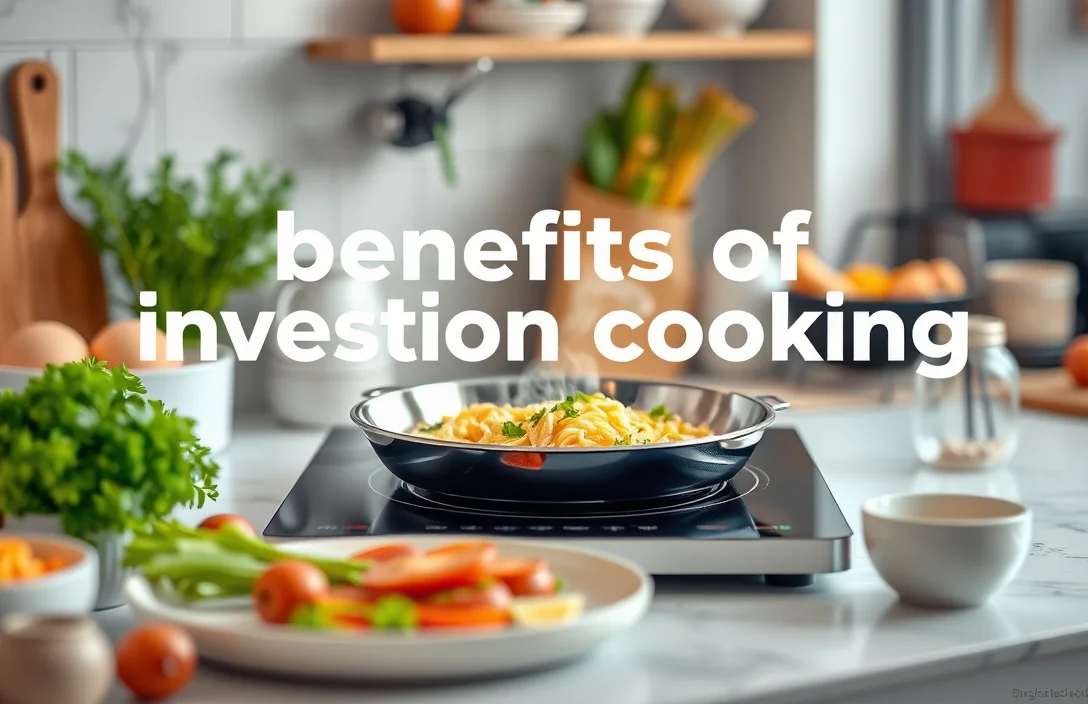
Induction cooking is revolutionizing the way we prepare meals, offering speed and efficiency like never before. With its sleek design and advanced technology, it’s no wonder that more home chefs are considering this innovative cooking method as a practical solution for their kitchens.
Induction cooking provides numerous benefits: it heats up quickly, ensuring fast cooking times, offers precise temperature control for perfect results, and enhances safety by reducing the risk of burns. Additionally, it is energy-efficient, making it an environmentally friendly choice.
Core Concepts and Definitions
Induction cooking offers several significant advantages that enhance the cooking experience. One of the most notable benefits is its efficiency. Induction cooktops heat pots and pans directly through electromagnetic energy, which results in faster cooking times and reduced energy consumption compared to traditional methods.
Additionally, this technology allows for precise temperature control, enabling chefs to achieve desired cooking results with great accuracy. The immediate responsiveness of induction cooking means that adjustments can be made quickly, which is essential for delicate dishes that require specific temperatures.
Safety is another critical benefit, as the cooktop itself remains cool to the touch, reducing the risk of burns. This feature is especially valuable in households with children. Overall, the advantages of this method make it a highly appealing option for both novice and experienced cooks alike.
How It Works in Practice
Induction cooking operates through a unique process that directly heats pots and pans using electromagnetic energy. This method is both efficient and effective, resulting in rapid heating and precise temperature control. Understanding how this technology translates into practical benefits can enhance your cooking experience.
When you place a compatible pot or pan on an induction cooktop, an electromagnetic field generates heat directly in the cookware. This eliminates the need for traditional heating elements that can waste energy and time. As a result, induction cooking heats up faster than gas or electric stoves, allowing you to boil water or cook meals in a fraction of the time.
This technology also offers precise temperature adjustments, giving you control over the cooking process. Whether simmering sauces or searing meats, the instant response to temperature changes helps you achieve the desired results without the risk of burning or overcooking.
Furthermore, since the cooktop remains relatively cool compared to traditional methods, it minimizes the risk of burns and makes cleanup easier as spills often do not bake onto the surface. Overall, the mechanics of induction cooking provide a range of practical benefits that enhance both safety and efficiency in the kitchen.
Key Advantages Worth Knowing
One significant benefit of induction cooking is its precise temperature control. This feature allows for exact adjustments in heat levels, which is crucial for achieving perfect results in various cooking techniques.
Induction cooktops respond almost instantly to changes in temperature settings, ensuring that the heat increases or decreases rapidly. This responsiveness is particularly advantageous when preparing delicate dishes that require careful monitoring, such as sauces or chocolates. The ability to maintain a steady simmer or a rapid boil with minimal effort enhances the overall cooking experience.
Moreover, this precision minimizes the risk of burning or overcooking food, leading to better outcomes and less waste. Chefs and home cooks alike appreciate how easily they can replicate complex recipes with consistent results. Overall, the accurate temperature management of induction cooking significantly contributes to improved culinary performance.
Step-by-Step Approach
One significant benefit of induction cooking is its speed and efficiency compared to traditional methods. Induction cooktops heat pots and pans directly through electromagnetic energy, which allows for quicker cooking times. This section outlines how this efficiency translates into practical benefits in the kitchen.
With induction cooking, boiling water can take as little as half the time it would on a gas or electric stove. This means less waiting time for meal preparation, allowing you to cook multiple dishes simultaneously without the usual delays. Additionally, since the cooktop itself doesn’t get as hot, the surrounding kitchen remains cooler, improving comfort and reducing the need for excessive air conditioning during hot weather.
Moreover, the precise temperature control that induction provides contributes to faster cooking. You can adjust heat levels quickly and accurately, which is particularly beneficial for recipes that require specific temperature management. This not only enhances the cooking experience but also ensures that dishes are cooked evenly, reducing the risk of burning or undercooking.
In summary, the speed and efficiency of induction cooking not only save time in the kitchen but also enhance overall cooking performance, making it a valuable tool for both novice and experienced cooks.
Common Mistakes to Avoid
Understanding the benefits of induction cooking involves recognizing common mistakes that can diminish your experience. Avoiding these pitfalls will enhance your cooking efficiency and enjoyment. One primary error is underestimating cookware compatibility.
Induction cooking requires specific types of cookware to function properly, typically made of ferrous materials like cast iron or stainless steel with a magnetic base. Non-magnetic materials, such as aluminum or glass, will not work on induction cooktops. Before purchasing new pots and pans, check for induction compatibility. Many manufacturers now label their products accordingly, but if unsure, use a magnet; if it sticks, the cookware is suitable.
Additionally, using cookware that is too small for the burner can lead to uneven heating and poor cooking results. Always match the size of the pot or pan with the burner to maximize efficiency. Investing in the right cookware not only ensures optimal performance but also enhances the overall benefits of induction cooking.
Practical Tips That Help
One significant advantage of induction cooking is its speed and efficiency. To fully take advantage of this, it’s crucial to use the right cookware. Induction cooktops require magnetic materials to generate heat effectively. This means opting for pots and pans made from cast iron, stainless steel, or other ferrous metals.
When selecting cookware, check for the induction symbol on the bottom, which indicates compatibility. Avoid aluminum or glass unless they are specifically designed for induction. Additionally, ensure the base of your pots and pans is flat to maximize contact with the cooktop. A good fit not only enhances cooking efficiency but also contributes to even heat distribution, ensuring that food cooks uniformly.
Investing in high-quality induction-compatible cookware can greatly improve your cooking experience, allowing you to enjoy the benefits of induction cooking fully. This not only saves time but also energy, making your kitchen more efficient overall.
Real-World Examples
Understanding the benefits of induction cooking can be enhanced by looking at real-world applications. Here’s a practical example that illustrates how this method can positively impact your cooking experience.
Consider a busy professional, Sarah, who often juggles her career and family meals. She recently switched to an induction cooktop. This change transformed her kitchen routine. With induction cooking, she appreciates the rapid heat adjustments that allow her to boil water in minutes, perfect for quick pasta dishes after a long day. The precise temperature control helps her achieve perfect sears on meats without burning, ensuring delicious outcomes.
Moreover, Sarah notices that her kitchen stays cooler during summertime since induction cooking doesn’t radiate heat like traditional methods. Cleanup is simpler, too; spills don’t bake onto the surface, making it easy to wipe down after meals. These practical benefits not only save her time but also enhance her overall cooking experience, illustrating how switching to this technology can elevate everyday meal preparation.
Getting Started Today
As you consider the many advantages of using induction cooking, it’s beneficial to understand how to maximize your experience with this technology. One effective way to enhance your cooking efficiency and enjoyment is by selecting the right cookware. The choice of pots and pans significantly influences the performance of induction cooking, making it essential to choose wisely.
Induction cooking requires ferrous materials to create heat, so look for cookware made from stainless steel or cast iron. Avoid aluminum and glass unless they have a magnetic base. Additionally, ensure the cookware has a flat bottom for optimal contact with the induction surface, which improves heat transfer and cooking efficiency. Consider investing in a set of induction-compatible cookware that meets your needs, whether it’s for everyday meals or gourmet dishes. This not only enhances your cooking but also ensures that you fully benefit from the rapid heating and precise temperature control that induction offers.
Quick Summary
One key benefit of induction cooking is its energy efficiency. This method of cooking significantly reduces energy waste by directly heating the cookware, allowing it to reach higher temperatures faster than traditional cooking methods. As a result, your kitchen remains cooler, and energy costs are lowered.
Induction cooking operates by generating a magnetic field that interacts with ferrous metal cookware. This means that only the pot or pan gets heated, while the cooktop itself stays relatively cool. Consequently, less energy is lost to the surrounding environment. This efficiency not only benefits your wallet but also contributes to a more sustainable cooking practice, reducing your overall carbon footprint.
Additionally, induction cooking offers precise temperature control, which means you can cook with greater accuracy while using less energy. This can lead to better cooking outcomes and less wasted energy. As you consider making the switch, keep in mind that investing in induction cooking technology can yield substantial long-term savings in both energy usage and cooking efficiency.
Frequently Asked Questions
Understanding the benefits of induction cooking can significantly enhance your cooking experience. Here’s a key takeaway that encapsulates the essence of why this method stands out compared to others.
One major advantage of induction cooking is its efficiency in energy consumption. Induction cooktops directly heat the cookware through electromagnetic energy, resulting in less heat loss compared to traditional gas or electric methods. This not only speeds up cooking times but also reduces energy costs in the long run. For anyone looking to lower their utility bills while cooking, induction is a practical solution. Additionally, this method allows for precise temperature control, which can improve the overall quality of your meals.
As a final note, considering the benefits of induction cooking—such as safety, efficiency, and cleanliness—can help you make an informed choice for your kitchen setup.
Quick Summary
- Induction cooking is energy-efficient, using less electricity compared to traditional methods.
- It offers precise temperature control, allowing for more accurate cooking.
- Induction cooktops heat up quickly, significantly reducing cooking time.
- They are safer, as the surface remains cool to the touch and reduces the risk of burns.
- Induction cooking is easier to clean, with spills not getting baked onto the cooktop.
- It provides consistent heat distribution, leading to evenly cooked food.
- Induction cooktops are sleek and modern, enhancing the aesthetic of any kitchen.
Frequently Asked Questions
What is induction cooking?
Induction cooking uses electromagnetic energy to heat pots and pans directly, rather than heating the cooking surface. This method allows for faster cooking times and precise temperature control.
What are the benefits of induction cooking compared to gas or electric?
Induction cooking is generally more energy-efficient than gas or electric methods, as it heats cookware directly and minimizes heat loss. It also offers greater safety, as the cooktop remains cool to the touch and reduces the risk of burns.
Is induction cooking compatible with all types of cookware?
No, induction cooking requires magnetic cookware, such as stainless steel or cast iron. Cookware made from aluminum, glass, or copper will not work unless they have a magnetic layer added to the base.
How does induction cooking affect cooking times?
Induction cooking typically reduces cooking times significantly due to its ability to generate heat quickly and evenly. This efficiency can save time in meal preparation compared to traditional cooking methods.
Are there any downsides to induction cooking?
While induction cooking has many benefits, it can require an initial investment in compatible cookware and induction cooktops. Some users also find the technology less intuitive if they are accustomed to traditional cooking methods.
